
















Typhoid fever is one of the most common bacterial infections affecting millions of people in Africa, especially in countries like Nigeria, Ghana, Liberia, and Kenya. According to the World Health Organization (WHO), approximately 11–20 million people are infected globally each year, with the majority of cases occurring in developing countries where access to clean water and proper sanitation is limited.
- What is typhoid fever?
- What are the early signs and symptoms?
- How is it diagnosed and treated?
- How can you prevent typhoid infection in Africa?
In this detailed guide, we will answer all the major questions surrounding typhoid fever:
We will also discuss the best medications, natural remedies, and health products (available on Comilmart Health Products Store) that can help in treatment and prevention.
Note: This article is for informational purposes only and is not a substitute for professional medical advice. If you suspect you have typhoid fever, see a qualified doctor immediately.
1. What is Typhoid Fever?
Typhoid fever is a serious illness caused by the bacterium Salmonella Typhi. It is typically spread through contaminated food, water, or close contact with someone who is already infected.
Typhoid bacteria thrive in places with poor sanitation, unsafe drinking water, and improper food handling practices—common challenges in many parts of Africa.
Key facts:
- Typhoid fever can be fatal if not treated.
- The infection may take 1–3 weeks after exposure to start showing symptoms.
- Children and individuals with weak immune systems are at higher risk.
Reference: WHO – Typhoid Fever Fact Sheet
2. What are the Symptoms of Typhoid Fever?
The symptoms of typhoid fever can vary from mild to severe and often develop gradually. Recognizing these symptoms early can help save lives.
Early Symptoms (1–3 Weeks after Infection)
- Fever: Usually high and persistent (up to 40°C / 104°F)
- Headaches
- Weakness and fatigue
- Loss of appetite
- Abdominal pain
- Diarrhea or constipation (diarrhea is more common in children)
- Body aches and muscle pain
- Dry cough
Progressive Symptoms (If Left Untreated)
- Severe abdominal swelling
- Bloody stools (intestinal bleeding)
- Delirium or confusion
- Significant weight loss
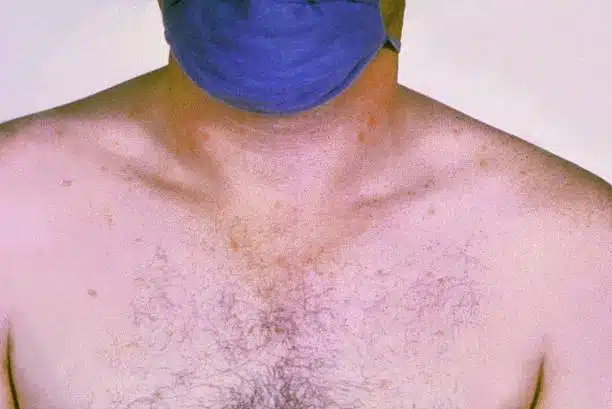
- Rashes (rose spots on the chest and abdomen)
- Organ complications (liver, spleen, intestines)
If untreated, typhoid fever can be fatal in up to 20% of cases. Early diagnosis is crucial.
3. How is Typhoid Fever Diagnosed?
If you notice the above symptoms, a healthcare provider will likely recommend the following diagnostic tests:
- Blood culture: Detects the Salmonella Typhi bacteria
- Widal test: Checks for typhoid antibodies (less reliable but still used widely in Africa)
- Stool and urine tests: To confirm the presence of bacteria
Tip: Always get tested at an accredited medical lab or hospital. Misdiagnosis is common because typhoid symptoms often resemble malaria, cholera, or other infections.
4. How is Typhoid Fever Treated?
Typhoid fever requires medical treatment. If you are diagnosed, follow your doctor’s instructions strictly.
Antibiotic Treatment
The standard treatment involves antibiotics to kill the Salmonella Typhi bacteria. Commonly prescribed antibiotics include:
- Ciprofloxacin (for adults)
- Azithromycin (for resistant strains)
- Ceftriaxone (for severe cases)
Warning: Do not self-medicate. Misuse of antibiotics can lead to drug resistance.
Supportive Treatment
- Drink plenty of clean fluids to prevent dehydration
- Eat nutritious but light meals to regain strength
- Get adequate rest
Severe Cases
If complications arise (intestinal bleeding or perforation), hospitalization and surgery may be required.
5. Are There Natural Remedies for Typhoid Fever?
While antibiotics are the only effective cure, certain home remedies can support recovery:
- ORS (Oral Rehydration Solution): To prevent dehydration from diarrhea
- Clove water or ginger tea: Helps relieve nausea and abdominal discomfort
- High-vitamin diet: Eat foods rich in vitamin C (oranges, guava) and zinc (eggs, meat, beans)
- Probiotics (yogurt): Helps restore healthy gut bacteria
Note: These are supportive remedies and should never replace hospital treatment.
6. How to Prevent Typhoid Fever in Africa
Prevention is far better than cure. The following tips can drastically reduce your risk:
Personal Hygiene
- Wash hands frequently with soap and clean water
- Avoid eating food from unhygienic street vendors
- Always cook food thoroughly
Water Safety
- Drink only boiled or bottled water
- Avoid ice cubes made from unclean water
- Use water filters (See Comilmart Water Filters & Purifiers)
Vaccination
- Typhoid vaccines are available and recommended for people in high-risk areas. Consult your doctor about the Vi polysaccharide vaccine or the live attenuated vaccine.
Reference: CDC – Typhoid Vaccine Information
7. Typhoid Fever in Nigeria, Ghana, Liberia, and Kenya: Local Challenges
- Nigeria: Overcrowded cities and poor drainage make typhoid highly prevalent, especially during the rainy season.
- Ghana: Rural communities with limited healthcare access face the highest risk.
- Liberia: Post-war infrastructure challenges affect water safety and sanitation.
- Kenya: Urban slums and informal settlements are typhoid hotspots.
For local medical products and protective items, visit Comilmart Health Store where you can find affordable ORS, antibiotics, clean water containers, and more.
8. When Should You See a Doctor Immediately?
Seek urgent medical help if you experience:
- Persistent high fever above 39°C
- Severe abdominal pain or swelling
- Bloody stools or vomiting
- Extreme fatigue or confusion
Early treatment significantly reduces the risk of complications.
9. Recommended Products for Prevention and Recovery
Here are some affordable health products you can buy online:
- Water Filters & Purifiers – See on Comilmart | Amazon
- ORS and Hydration Salts – Order on Comilmart
- Multivitamins for Immune Support – Buy on Comilmart | Alibaba
- Probiotic Yogurt Cultures – See Walmart
10. Final Thoughts
Typhoid fever is a preventable and treatable disease, but only if detected early and managed properly. Do not self-medicate. Get tested, follow your doctor’s treatment plan, and make lifestyle changes to avoid reinfection.
At Comilmart, we are committed to helping African families stay healthy. Visit our Health & Wellness Section to buy affordable healthcare products delivered straight to your doorstep.
Remember: Clean water, safe food, and proper hygiene are your strongest weapons against typhoid fever.
Internal Links
- Comilmart Health & Wellness Products
- Affordable Multivitamins in Nigeria
- Water Purifiers & Filters on Comilmart
Backlinks & References