




















The Shift to Digital in Africa
Why Selling on an Online Marketplace is the Future of Business in Africa. The business landscape in Africa is undergoing a significant transformation as more entrepreneurs, vendors, and artisans embrace digital solutions and e-commerce platforms. This shift is driven by the increasing availability of internet access, the proliferation of smartphones, and a growing youth population that is familiar with digital technologies. As a result, traditional business models are being challenged, and a new economy is emerging that prioritizes online transactions and virtual marketplaces.
In the past, African businesses often relied on brick-and-mortar establishments, which not only limited their reach but also made it difficult for them to compete in an increasingly global marketplace. However, with the rise of online marketplaces, businesses of all sizes are finding new avenues for growth. Vendors can now sell their products to customers across the region and even internationally, vastly expanding their customer base.
Furthermore, the proliferation of online payment solutions and logistics services has made it easier for businesses to operate digitally. Entrepreneurs are leveraging social media platforms and dedicated e-commerce sites to market their products and connect with potential buyers. As these platforms continue to evolve, they are becoming crucial to the way businesses operate, enabling them to respond more rapidly to changing consumer preferences and market dynamics.
You may be interest to read: Navigating the Supply Chain: How to Secure Reliable Bulk Agro Suppliers in Africa
Alongside these technological advancements, there is also a rising demand from consumers for convenience and accessibility. Shoppers are increasingly turning to online marketplaces for their shopping needs, favoring the ease of browsing and purchasing from the comfort of their own homes. This shift not only benefits consumers by providing numerous choices but also encourages businesses to adapt quickly or risk becoming obsolete.
In summary, the shift towards digital and e-commerce platforms in Africa is not just a trend; it represents a fundamental change in how business is conducted. As more entrepreneurs make the transition to online marketplaces, the future of business in the continent looks increasingly digital.
The Digital Transformation of Business in Africa
The business landscape in Africa is undergoing a significant transformation due to the rapid growth of digital technologies and internet accessibility. Over the last decade, internet penetration across the continent has risen dramatically. According to the Internet World Stats, as of early 2023, Africa witnessed an internet penetration rate of approximately 47%, an impressive increase from just 28% in 2013. This surge in connectivity empowers businesses to reach a larger audience, redefined by the rapid adoption of mobile devices. Mobile subscriptions topped 1.1 billion in 2022, illustrating the continent’s push towards digital engagement.
This shift towards digital platforms is crucial, particularly in the realm of e-commerce, where the market is expected to reach $75 billion by 2025. Traditional businesses are increasingly recognizing the importance of online marketplaces, which enable them to connect with consumers beyond their localities. This has led to a marked increase in small and medium-sized enterprises (SMEs) opting for online sales strategies. Recent studies indicate that about 80% of SMEs in Africa now utilize some form of online commerce as part of their business model.
As businesses adapt to the digital environment, they are also leveraging social media platforms to enhance brand visibility. Platforms such as Facebook and Instagram have become integral tools for marketing and customer interaction, making it easier for businesses to promote their goods and services effortlessly. Furthermore, innovations such as mobile payment solutions have simplified transactions, fostering trust in online purchases.
This digital transformation is not just facilitating new sales channels; it is redefining consumer behaviors and expectations, as shoppers become more accustomed to the convenience of online shopping. As the appetite for e-commerce continues to grow, traditional businesses must further embrace these changes to thrive in the increasingly competitive market.

Top African Ecommerce Marketplaces to Sell Your Products in 2026
The Booming World of Ecommerce in AfricaTop African Ecommerce Marketplaces to Sell Your Products in 2026. The rapid growt…

The Best Way to Start an Online Business in Africa and Make Money Online
IntroductionThe Best Way to Start an Online Business in Africa and Make Money Online. Starting an online business in Afri…

How African Vendors Can Increase Online Sales and Grow Globally
Introduction: The Digital Frontier for African VendorsHow African Vendors Can Increase Online Sales and Grow Globally. Th…
Challenges of Traditional Selling in Africa
In Africa, traditional selling methods present various significant challenges for businesses aiming to grow and thrive. One prominent limitation is the restricted geographic reach that brick-and-mortar establishments face. Many small businesses are confined to local markets, hindering their ability to access a broader customer base. For instance, a local artisan selling handmade crafts may attract customers primarily within their community, limiting their potential sales volume. This constraint prevents such businesses from capitalizing on a wider audience that could otherwise be reached through online platforms.
Moreover, businesses engaging in traditional selling often struggle with low sales volume. The fixed costs associated with physical locations, such as rent and utilities, encumber profitability, particularly for small enterprises. The example of a local restaurant can illustrate this challenge: without a steady stream of foot traffic, it becomes increasingly difficult to cover operational expenses, let alone generate profit. The fixed nature of traditional commerce additionally impacts the ability to adapt quickly to market demands, which online marketplaces can facilitate by offering real-time inventory and sales data.
Further, traditional sellers often find it challenging to compete with larger businesses that possess extensive resources and marketing capabilities. For example, multinational retail chains can implement aggressive pricing strategies or offer a wider variety of products that local businesses struggle to match. This imbalance in competition limits the growth opportunities for small retailers, often yielding a lack of innovation in product offerings and customer service. Many small businesses find it increasingly difficult to carve out a sustainable niche in such a saturated market.
These challenges underscore the growing necessity for African entrepreneurs to consider alternative sales models. Embracing online marketplaces can overcome the limitations of traditional selling, providing a viable solution to expand reach, increase sales volume, and enhance competitiveness.



Product on sale
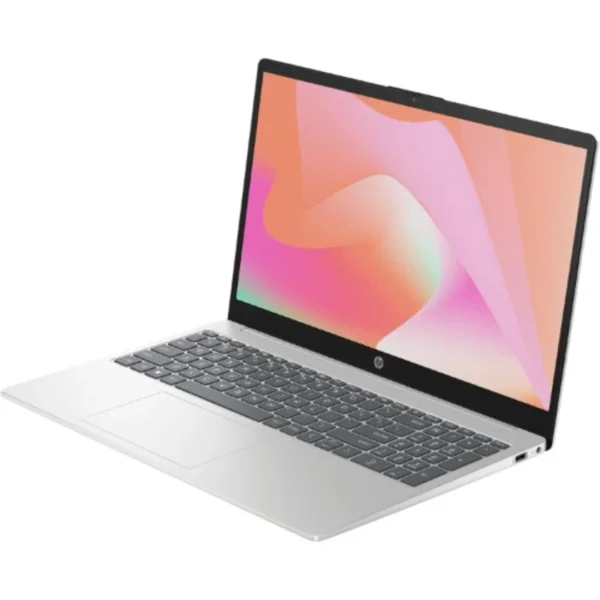
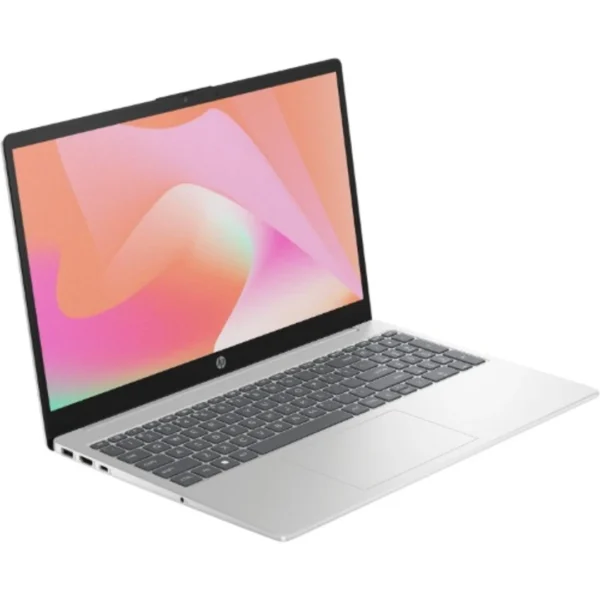
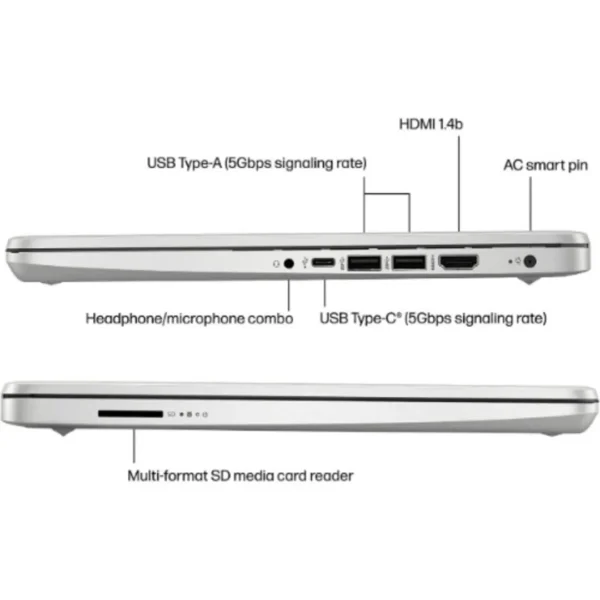
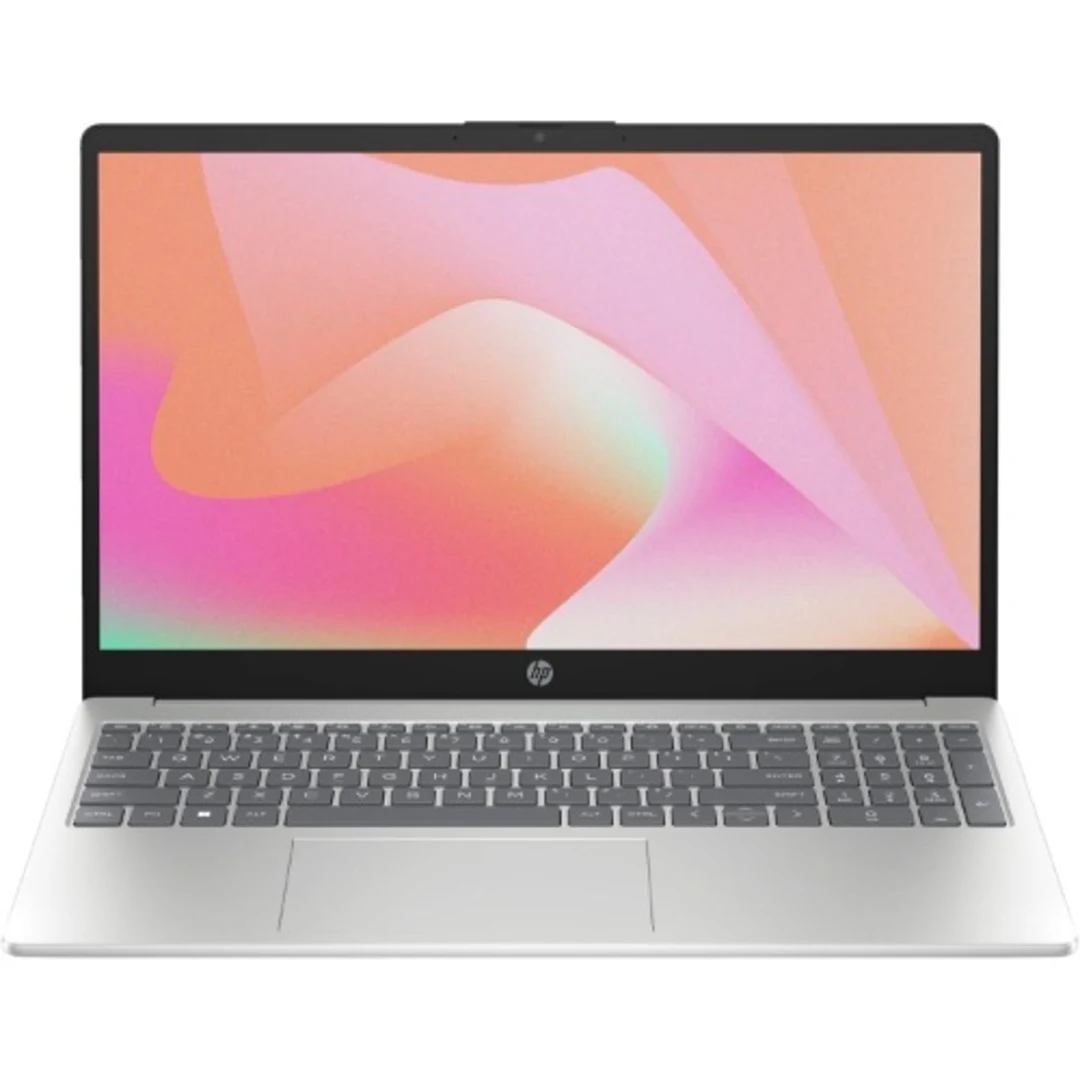
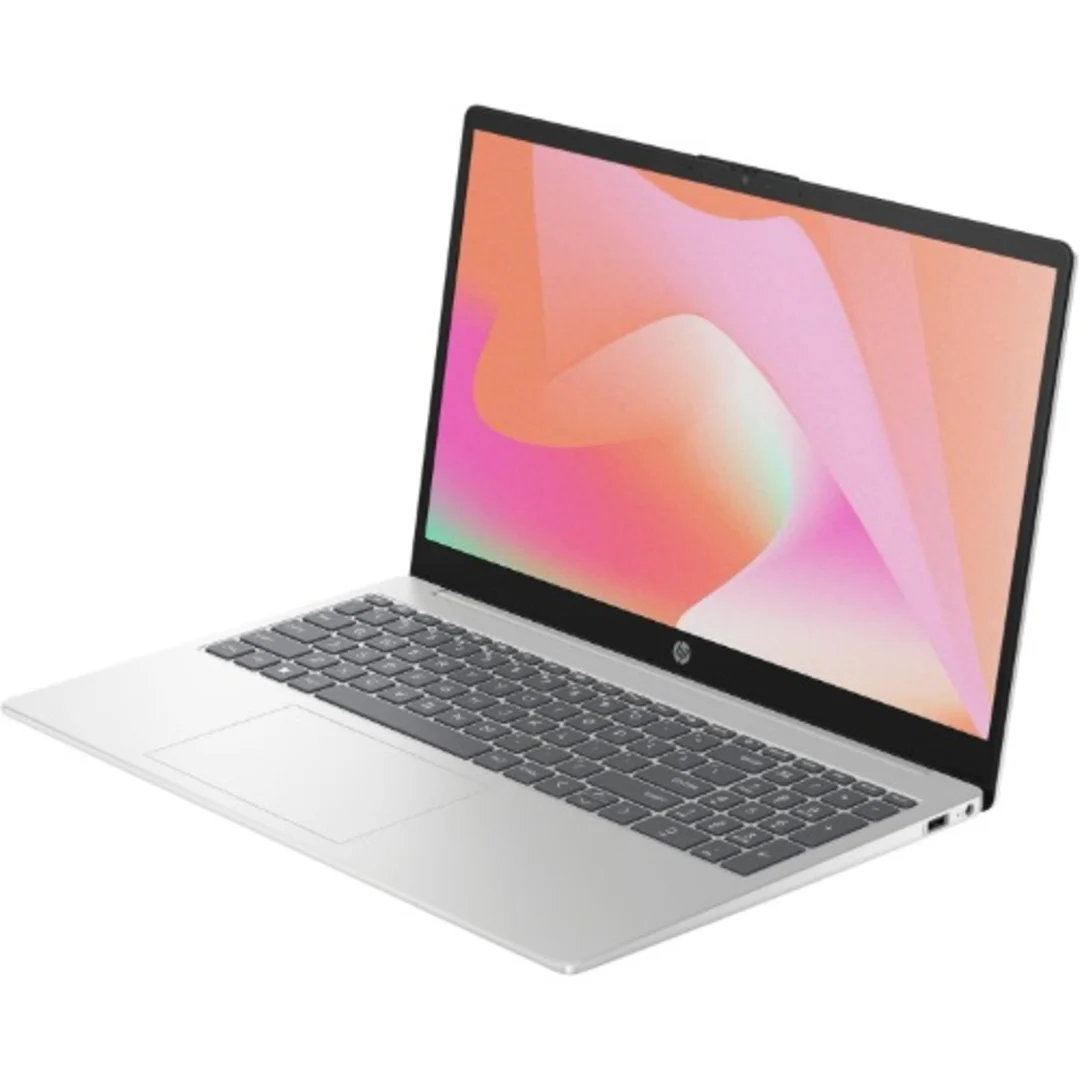
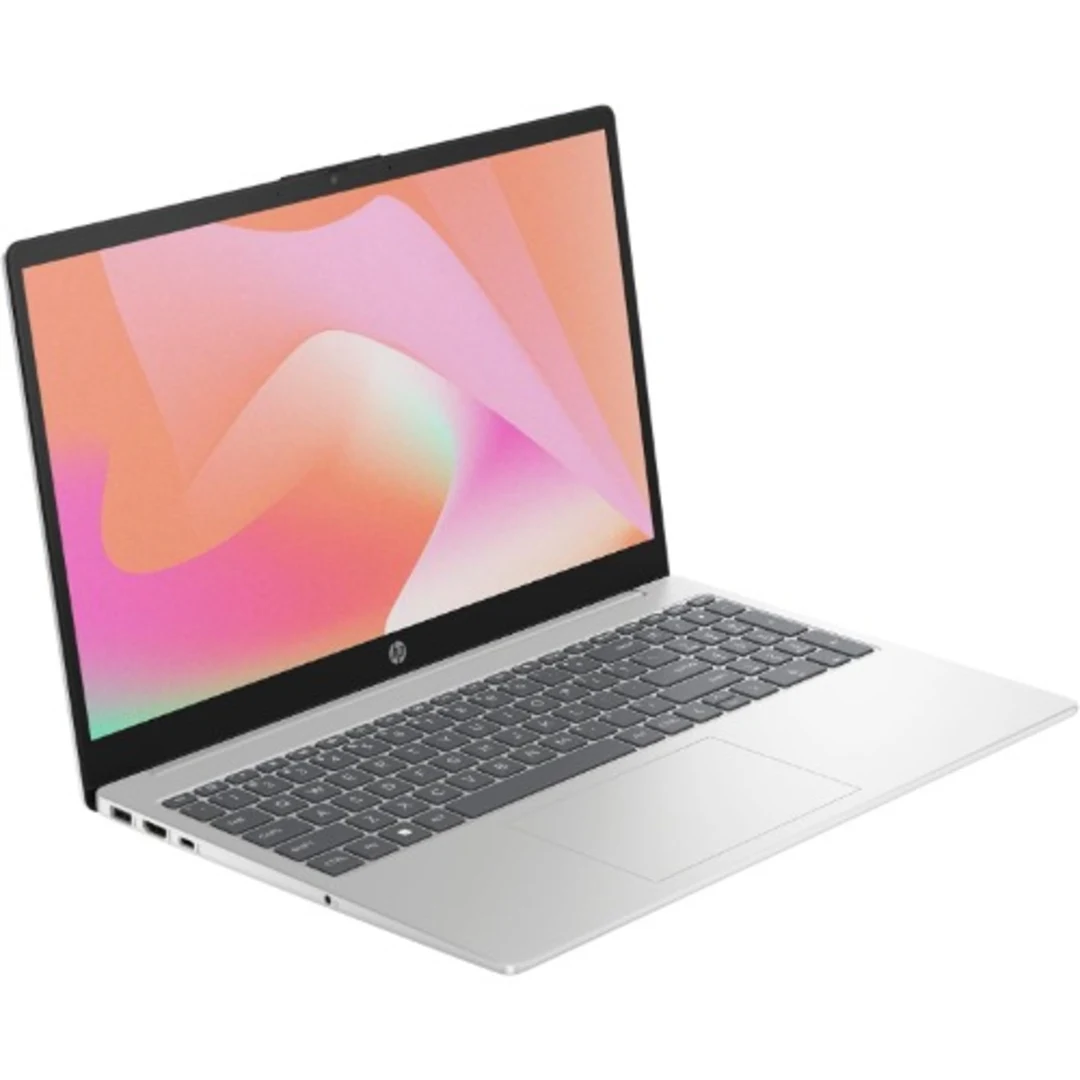
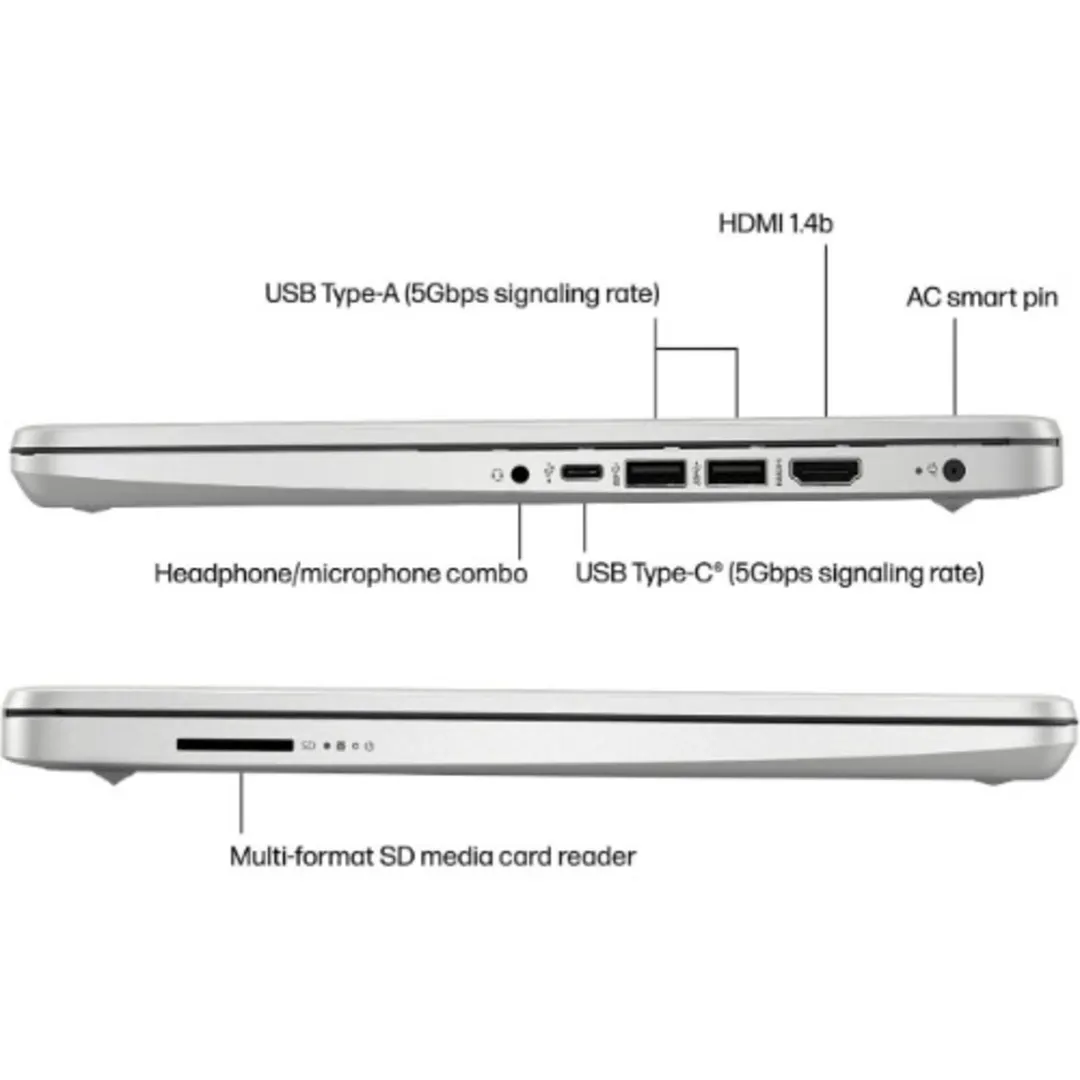
HP 15 Touchscreen Laptop – 13th Gen Intel Core i3, 8GB RAM, 256GB SSD, 15.6″ FHD, Windows 11 – Boost Productivity
Original price was: $535.00.$530.00Current price is: $530.00.
Experience seamless performance and intuitive interaction with the HP 15 Touchscreen Laptop. Featuring a powerful 13th Gen Intel Core i3 processor, 8GB of RAM, and a rapid 256GB SSD, this laptop is designed for efficiency and speed. The vibrant 15.6-inch Full HD touchscreen display enhances your computing experience, making navigation and content creation a breeze. Pre-installed with Windows 11, it offers a modern interface and advanced security features. Ideal for students, professionals, and everyday users seeking a reliable and responsive device for work, entertainment, and browsing. This HP laptop combines portability with robust capabilities, ensuring you stay productive and connected.
$ USD
Benefits of Online Marketplaces for Businesses
In today’s digital age, online marketplaces have emerged as a pivotal component for businesses seeking to expand their operations and improve their overall performance. One of the primary benefits is enhanced visibility. Businesses operating on platforms such as Comilmart gain immediate access to a vast audience, eliminating geographical barriers that typically restrict customer reach. This visibility is not just advantageous; it is critical for business growth, allowing sellers to showcase their products or services to potentially millions of customers around the globe.
Another significant benefit is the global reach afforded by online marketplaces. Unlike traditional retail, where businesses remain tethered to local markets, platforms like Comilmart facilitate international trade. Sellers can offer their goods and services to consumers far beyond their immediate vicinity, tapping into new markets and increasing revenue opportunities. This global exposure can be particularly beneficial for small and medium-sized enterprises (SMEs) in Africa, enabling them to compete on an international scale.
Scalability is another noteworthy advantage of online marketplaces. Businesses can effortlessly adjust their operations according to demand without the substantial overhead costs associated with maintaining physical storefronts. For instance, a seller on Comilmart can quickly expand their product offerings or scale back based on market trends and customer preferences, allowing for agile business models that respond effectively to changing environments.
Convenience also plays a crucial role in the benefits of online marketplaces. These platforms offer operational efficiencies such as automated payments, inventory management, and customer relationship tools, which simplify the seller’s experience. This level of convenience allows businesses to focus more on their core activities rather than logistical challenges, making it easier to provide high-quality customer service.











Product on sale
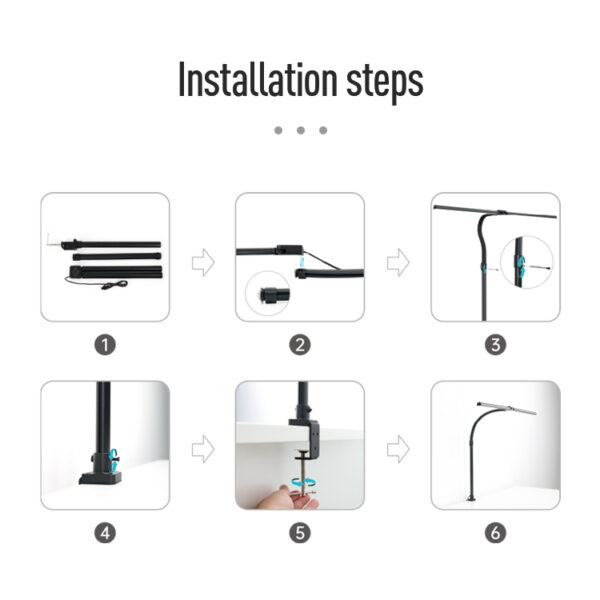
LED Desk Lamp for Home Office – Eye-Caring Architect Lamp with Clamp, Dual Screen Monitor Gooseneck Smart Light
Original price was: $56.00.$52.40Current price is: $52.40.
Enhance your productivity and protect your eyes with our versatile LED Desk Lamp, perfect for home offices and dual-screen setups. This eye-caring architect lamp features a robust clamp for secure mounting, a flexible gooseneck for precise light positioning, and smart light technology for optimal illumination. Designed to reduce eye strain during long working hours, it’s an essential addition for students, professionals, and anyone seeking superior task lighting. Its energy-efficient LED technology ensures long-lasting performance and significant savings on electricity bills, making it a smart investment for a healthier and more efficient workspace. Optimize your lighting with this modern, adaptable desk lamp.
$ USD
Comilmart’s Role in E-Commerce Transformation
Comilmart has emerged as a pivotal player in the African e-commerce landscape, effectively addressing the unique challenges faced by local vendors and entrepreneurs. By providing a robust online marketplace, Comilmart facilitates seamless connections between sellers and buyers, thereby enhancing access to diverse products and services across the continent. This platform empowers local businesses to showcase their offerings to a broader audience, which is crucial for driving economic growth in the region.
One of the most significant contributions of Comilmart is its commitment to supporting small businesses. In many parts of Africa, entrepreneurs often lack the resources and exposure needed to compete in traditional markets. Comilmart’s user-friendly interface simplifies the process of listing products, allowing vendors to efficiently manage their inventory and orders. This ease of use is essential for fostering participation from a wide range of sellers, including those who may not have technical expertise.
Furthermore, Comilmart incorporates various payment solutions that cater to the diverse financial needs of its customers. By integrating local and international payment methods, the platform ensures that transactions are secure and accessible to both buyers and sellers. This flexibility not only enhances user experience but also builds trust among users, necessary for the long-term viability of an online marketplace.
Comilmart also emphasizes community engagement through features that encourage vendor interaction. Rating and review systems provide transparency and feedback, fostering a sense of accountability. Additionally, the platform frequently conducts training sessions and workshops aimed at equipping sellers with essential skills in digital marketing and customer service. These initiatives ensure that local entrepreneurs are well-prepared to thrive in the competitive e-commerce environment.
In conclusion, Comilmart is at the forefront of revolutionizing e-commerce in Africa. By supporting local vendors and integrating essential features that enhance user engagement and transaction efficiency, the platform is effectively shaping the future of business on the continent.






Product on sale
Hp Smart Tank 580 All-in-one Printer – 1f3y2a
Original price was: $268.00.$266.00Current price is: $266.00.
A reliable all-in-one printer that can print, scan, and copy, featuring refillable ink tanks for cost-effective high-volume printing. Ideal for home offices, small businesses, and students, with wireless and mobile printing capabilities for convenience.
$ USD
Actionable Tips for Vendors to Succeed Online
Selling on online marketplaces presents a significant opportunity for businesses across Africa. To thrive in this competitive environment, vendors must adopt several best practices tailored to enhance visibility and customer engagement.
Firstly, optimizing product listings is crucial. Sellers should ensure that titles, descriptions, and images are of high quality and relevant. Using keywords related to the products can improve search visibility, attracting more potential buyers. Clear, concise descriptions that highlight unique features and benefits will allow consumers to understand why a product is worth purchasing. Moreover, providing detailed and clear images from multiple angles can build trust with potential customers.
Engaging with customers effectively is another key strategy. Prompt responses to inquiries can improve customer satisfaction and increase the chances of a sale. Implementing a feedback system to gather reviews from buyers can significantly enhance credibility. Additionally, leveraging user-generated content, such as customer reviews and photos, can promote authenticity and encourage other shoppers. Regularly asking for feedback post-purchase can also help vendors to enhance their offerings.
Furthermore, utilizing social media platforms is indispensable in today’s digital marketplace. Vendors can create targeted promotional campaigns and connect with a broader audience. By sharing engaging content, including product demonstrations, behind-the-scenes looks, and customer testimonials, vendors can cultivate a loyal following. Leveraging social media advertising tools can significantly extend reach and drive traffic to product pages.
Lastly, keeping abreast of marketplace trends and customer preferences will enable vendors to adapt quickly and effectively. Continuous learning and adjustment to changing market dynamics can lead to sustainable success. By incorporating these actionable strategies, sellers can achieve greater success in online marketplaces in Africa.
Product on sale
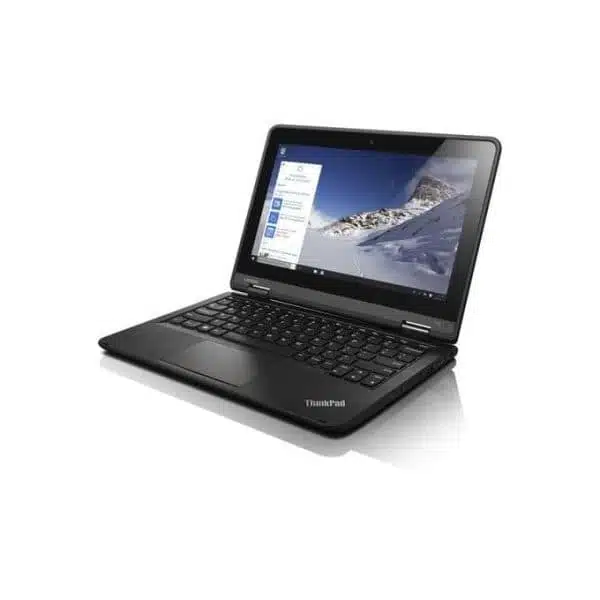
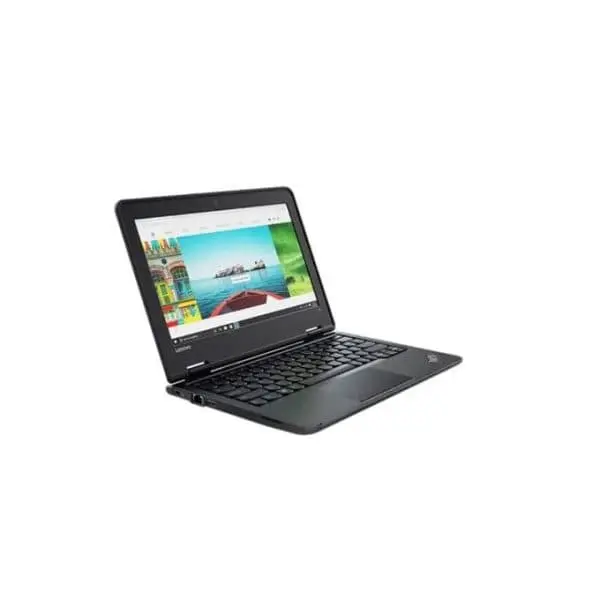
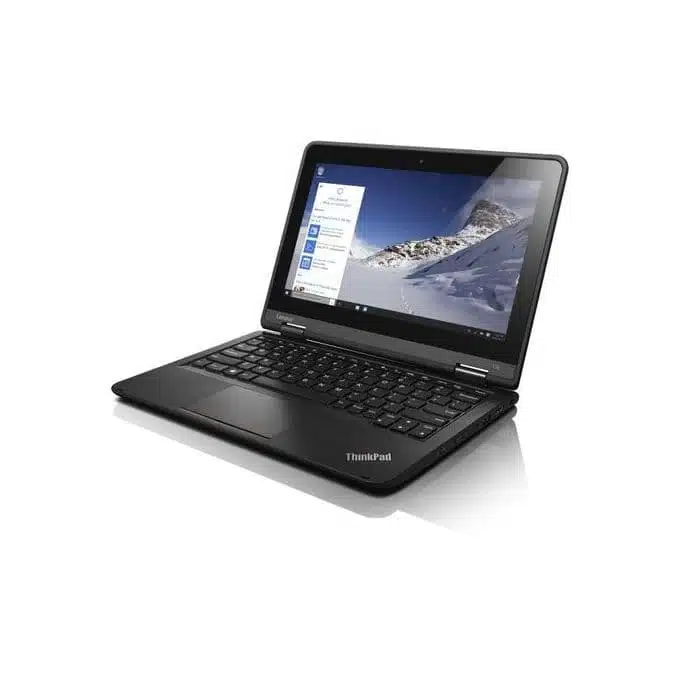
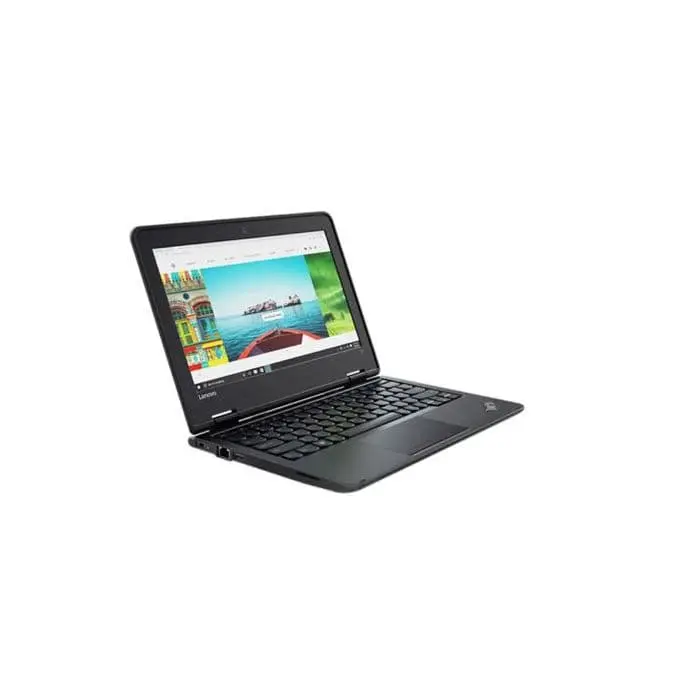
Lenovo ThinkPad 11e Intel Celeron 8GB RAM 256GB SSD Win10 Pro
Original price was: $208.80.$206.87Current price is: $206.87.
Compact, durable laptop with Intel Celeron, 8GB RAM, 256GB SSD, and Windows 10 Pro—ideal for school or work.
$ USD
Overcoming Common Fears About Selling Online
For many African entrepreneurs, transitioning to an online marketplace can ignite a mixture of excitement and apprehension. Common fears stem from issues of trust, logistics management, and competition which can create a reluctance to embrace this evolving business model.
One significant fear encountered by these entrepreneurs is the issue of trust. Concerns regarding payment security and fraudulent activities are prevalent. However, reputable online marketplaces implement robust security measures such as encrypted transactions and buyer protection policies. By leveraging these secure payment systems, sellers can ensure that their business activities are safeguarded against potential fraud, thereby fostering a more confident selling experience.
Logistics also presents a substantial challenge for many. The thought of managing shipping and handling processes can seem daunting. Nonetheless, a plethora of logistics service providers has emerged within Africa to cater specifically to online sellers. These services offer affordable delivery options, helping sellers streamline their shipping processes. Entrepreneurs are encouraged to explore partnerships with these logistics companies, which can provide effective solutions for order fulfillment and last-mile delivery.
Additionally, concerns about competition in the online space are pervasive. Entrepreneurs often fear that they will be overshadowed by established brands or a flood of new sellers. However, this perspective can be reframed as an opportunity rather than a threat. Selling online allows entrepreneurs to target niche markets and leverage unique selling propositions that differentiate their products. Understanding local consumer preferences can enable sellers to carve out their space in the competitive online marketplace.
In conclusion, addressing these fears through education and strategic partnerships can empower African entrepreneurs to confidently transition to online selling, harnessing the full potential of e-commerce in achieving their business goals.


Product on sale
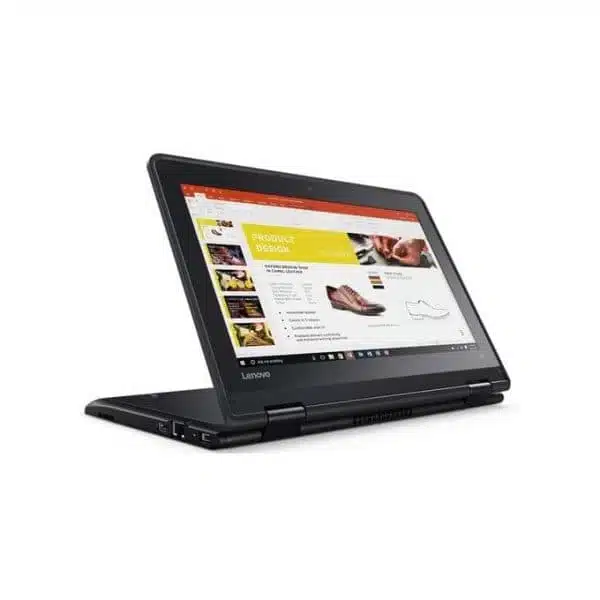
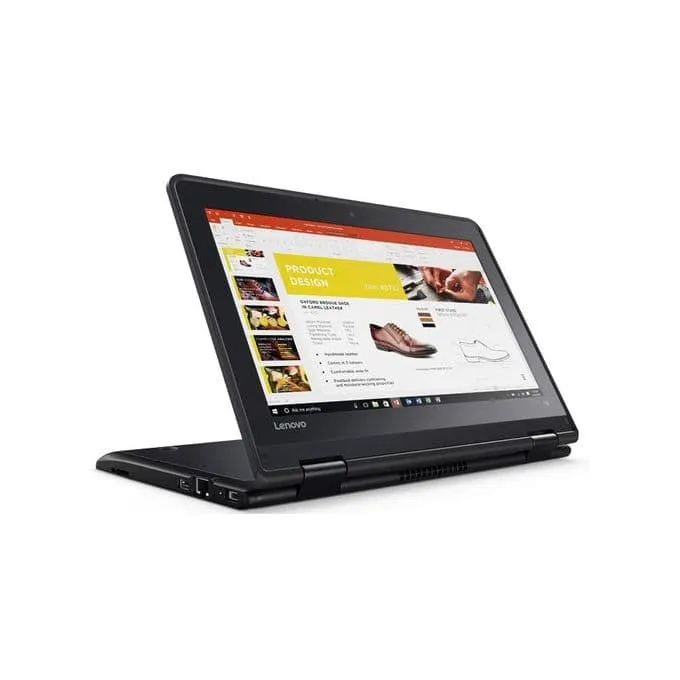
Lenovo ThinkPad 11e X360 Celeron 4GB RAM 256GB SSD Win 10 Pro + Bag
Original price was: $210.00.$206.87Current price is: $206.87.
Compact 2-in-1 laptop with Intel Celeron, 4GB RAM, 256GB SSD, Windows 10 Pro, and a free bag—perfect for school or work.
$ USD
Future Trends in E-Commerce in Africa
The e-commerce landscape in Africa is on the cusp of remarkable transformation, driven by technological advancements and shifts in consumer behaviors. As internet penetration and mobile device usage continue to soar across the continent, a growing number of consumers are embracing online shopping. This trend is expected to accelerate, paving the way for a digital marketplace that is increasingly dynamic and accessible.
One notable trend in the African e-commerce sector is the rise of mobile commerce, commonly referred to as m-commerce. With the widespread adoption of smartphones and mobile internet, a significant portion of online transactions are now occurring via mobile apps and responsive websites. This shift is reshaping the shopping experience, enabling consumers to browse, compare, and purchase products seamlessly from their mobile devices. Consequently, businesses looking to thrive in this evolving market must prioritize mobile optimization in their strategies.
Furthermore, the integration of advanced technologies such as artificial intelligence (AI) and machine learning will play a pivotal role in enhancing the e-commerce experience. These technologies can help personalize shopping recommendations, improve customer service, and optimize inventory management, ultimately leading to increased customer satisfaction and loyalty. Significantly, as entrepreneurs look to leverage these tools, they must invest in data analytics to better understand consumer behaviors and preferences.
Consumer trust is another critical factor influencing the future of e-commerce in Africa. As online fraud and cyber threats become more prevalent, businesses must implement robust security measures to protect sensitive customer information. Building a trustworthy brand through transparent practices and effective communication is essential for gaining consumer confidence in online transactions.
In conclusion, the future of e-commerce in Africa holds vast potential for growth and innovation. Entrepreneurs need to stay informed about these emerging trends and adapt their strategies accordingly to harness the opportunities presented by this vibrant marketplace.





Product on sale
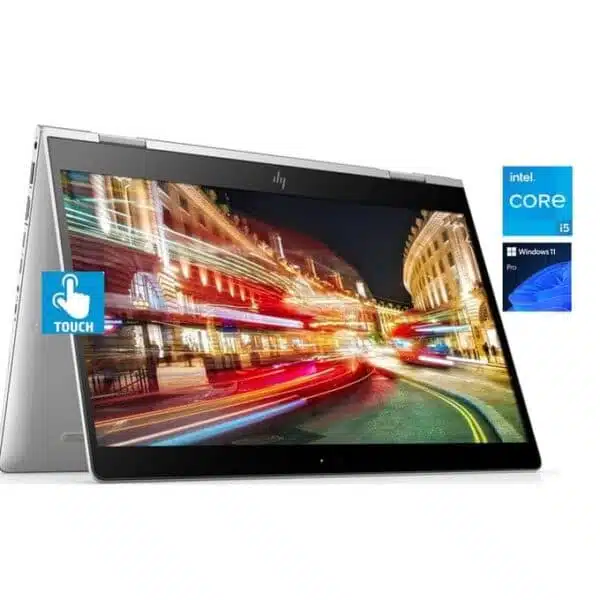
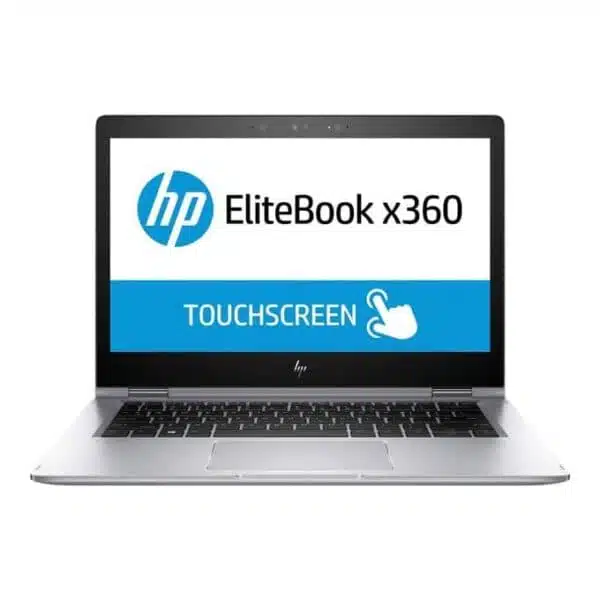
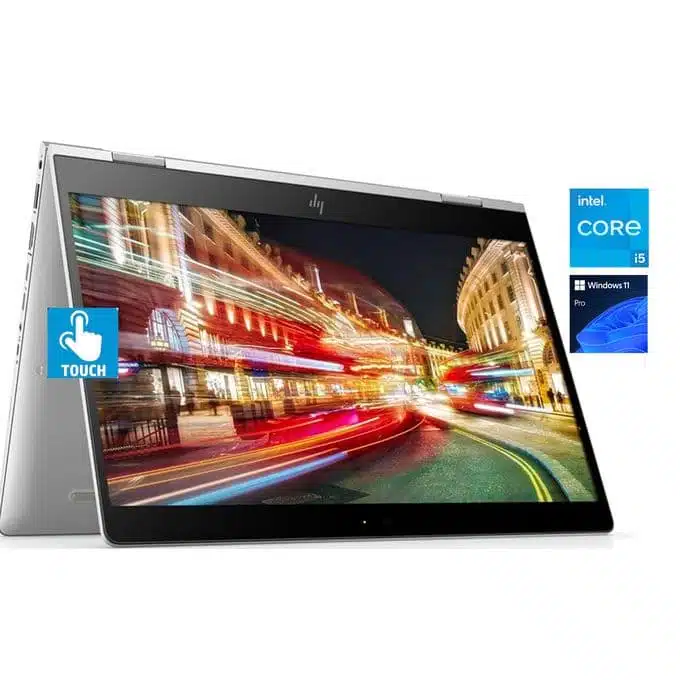
Hp EliteBook X360 TOUCH Intel Core I5- 16GB RAM/512GB SSD/Backlit Keyboard/FP Reader Wins 11 Pro +BAG61
Original price was: $411.00.$409.91Current price is: $409.91.
Sleek convertible laptop with touchscreen, fingerprint reader, backlit keyboard, and Windows 11 Pro—perfect for secure, high-performance productivity. Comes with a stylish BAG61 for easy portability.
$ USD
Embracing the Future of Trade
The landscape of commerce throughout Africa is evolving rapidly, and online marketplaces have emerged as a significant component of this transformation. Embracing these digital platforms offers numerous advantages that can fuel both individual and collective success within the continent’s commercial environment. As consumers increasingly turn to the internet for their shopping needs, sellers must adapt to these changing behaviors to remain relevant and competitive.
Digital marketplaces provide unprecedented access to a diverse customer base, allowing small and medium-sized enterprises (SMEs) to extend their reach beyond geographic limitations. These platforms often feature built-in tools for marketing and analytics, which empower sellers to understand consumer behaviors and optimize their offerings accordingly. Furthermore, by selling on established platforms such as Comilmart, businesses gain credibility and visibility that would be significantly harder to achieve independently.
Notably, the online marketplace model promotes inclusivity. Artisans, entrepreneurs, and businesses from even the most remote areas can showcase their products on a global stage, which fosters creativity and innovation. Engaging with online marketplaces not only helps in overcoming local economic challenges but also contributes to the development of a digital economy capable of driving sustainable growth.
Ultimately, the future of trade in Africa lies in adaptability and willingness to embrace technology. This presents an incredible opportunity for sellers to tap into emerging trends and consumer demands. By taking the initiative to join online platforms, aspiring entrepreneurs can transform their ideas into profitable ventures and contribute to the broader economic development of their communities. The journey towards leveraging digital solutions starts now—embrace the potential and thrive in Africa’s promising e-commerce landscape.