

















Introduction
Investing in Africas Emerging Organic Export Sector. The global agricultural landscape is undergoing a significant transformation, marked by a surge in demand for organic and sustainable products. This trend reflects a broader shift in consumer behavior towards eco-conscious consumption, where buyers increasingly prioritize products that are not only beneficial for their health but also for the environment. As awareness of the detrimental effects of conventional farming practices intensifies, individuals and businesses alike are steering toward organic alternatives. This growing preference poses both challenges and opportunities for farmers across the globe.
Click here to start selling on Comilmart
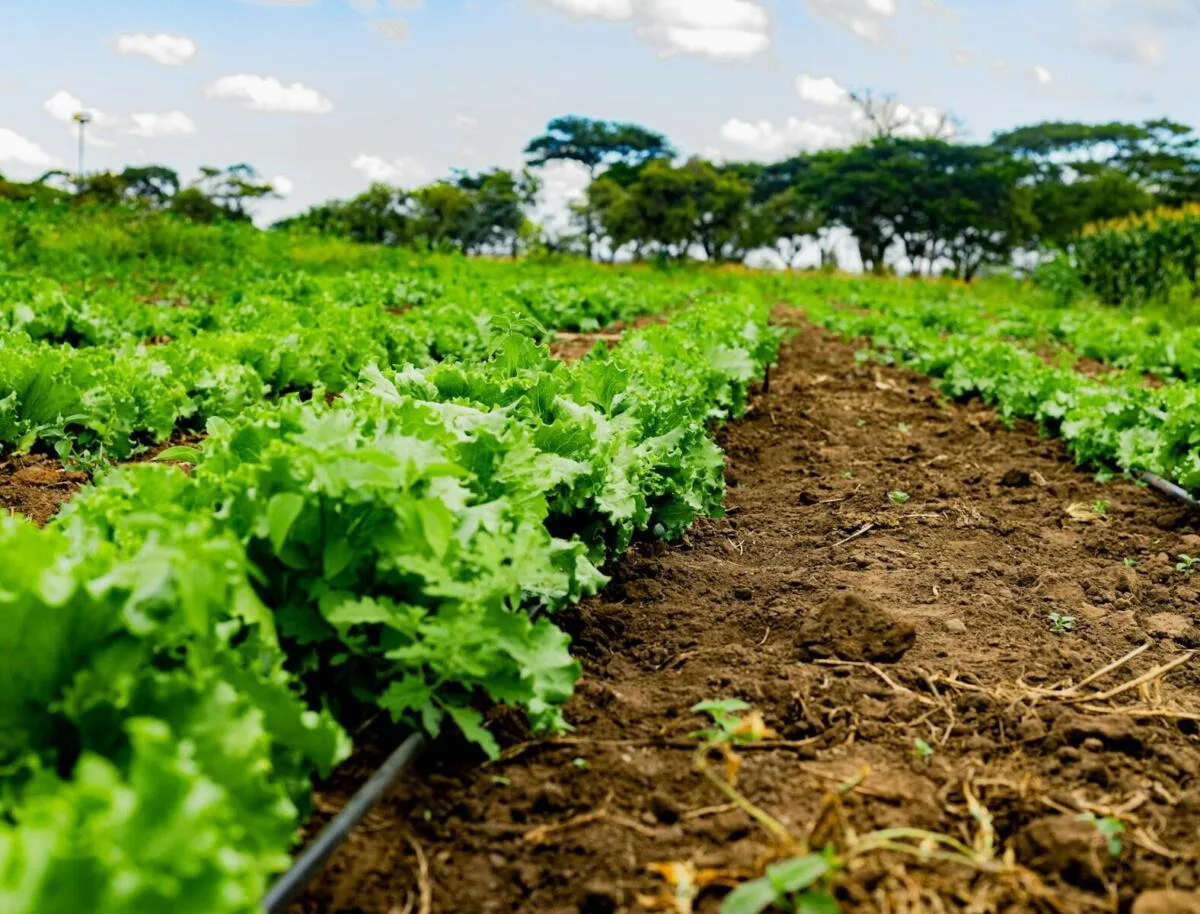
In this context, Africa emerges as a pivotal player in the organic farming sector. With its diverse climates, rich soils, and an abundance of untapped agricultural resources, the continent holds immense potential for sustainable agriculture. The organic movement is gradually gaining momentum within various African nations, driven by both local initiatives and international market demands. Organic farming not only fosters environmental sustainability but also enhances food security and supports economic growth. By adopting organic practices, African farmers can capitalize on burgeoning markets that are increasingly seeking high-quality, sustainably produced goods.
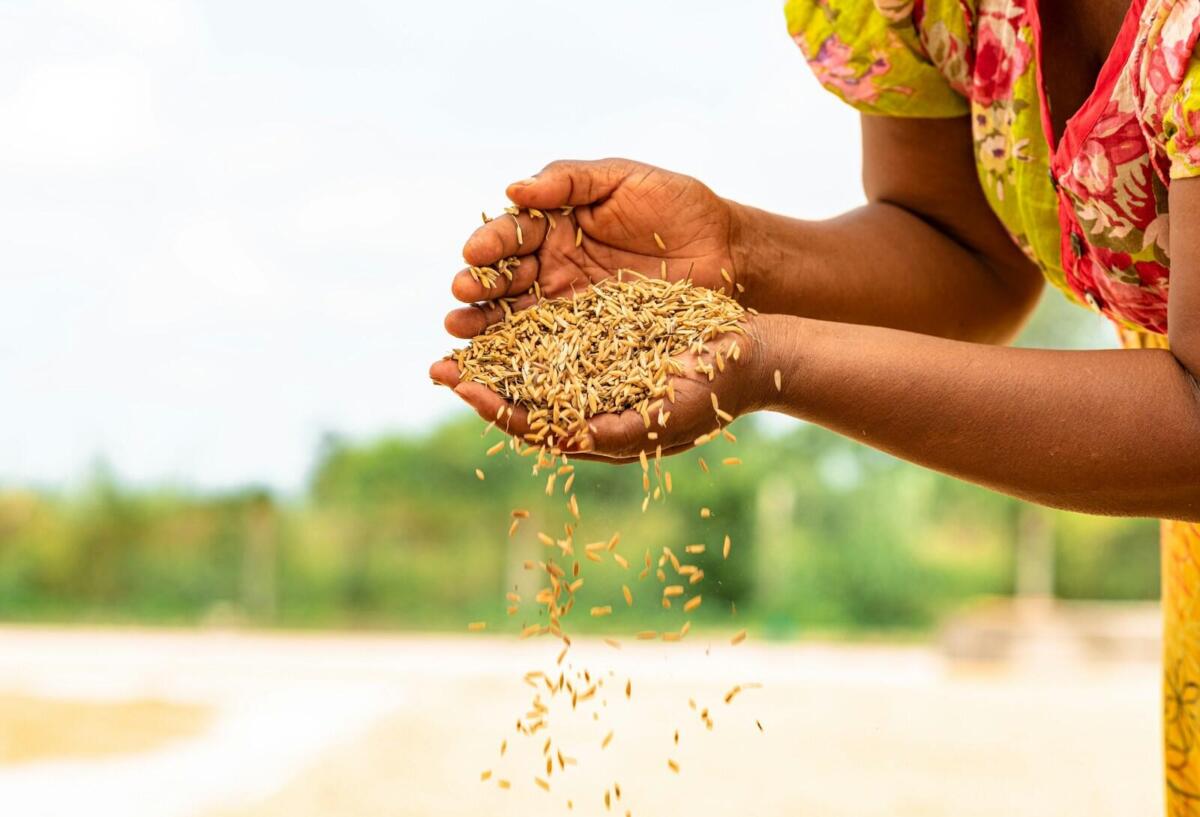
The rise of organic agriculture in Africa is not just a trend; it represents a crucial opportunity for sustainable development. With investments in organic farming, farmers can contribute to sustainability while addressing the needs of a growing global population. As stakeholders from various sectors begin to recognize the importance of organic produce, it is vital to discuss the frameworks, policies, and innovations that can further propel Africa’s organic export sector. The future of sustainable farming is bright, and Africa is poised to take center stage in this global movement.
What is Sustainable and Organic Farming?
Sustainable farming is a holistic approach aimed at producing food, fiber, or other products while preserving the environment, supporting animal welfare, and ensuring economic stability for farmers. The key principles of sustainable farming include conserving water, preserving soil health, promoting biodiversity, and minimizing the use of chemical inputs. Organic farming, a significant aspect of sustainable agriculture, prohibits synthetic pesticides and fertilizers and emphasizes the use of organic matter and natural farming practices to enhance crop yields.
Organic farming is guided by specific regulations which ensure that farming practices are environmentally friendly and sustainable. These practices involve crop rotation, cover cropping, and the usage of organic fertilizers, which improve soil fertility and stimulate ecological balance. By avoiding harmful chemicals, organic farmers contribute to healthier ecosystems and protect the well-being of consumers.
The contrast between conventional farming and organic practices primarily lies in their treatment of inputs. Conventional farming relies heavily on synthetic pesticides and fertilizers, which can lead to soil degradation, water contamination, and negative impacts on biodiversity. In contrast, organic farming focuses on building sustainable ecosystems that nurture the land while delivering nutritious crops and livestock products. Furthermore, conventional farming often seeks short-term gains through intensive practices, while sustainable and organic methods emphasize long-term productivity and environmental health.
In addition to environmental benefits, organic and sustainable practices often appeal to a growing consumer base that values health and sustainability. As public awareness of food production methods increases, the demand for organic products continues to rise, making sustainable farming an important sector for future investments and economic growth, particularly in regions such as Africa.
YOU MAY LIKE TO READ
How to Attract International Agricultural Product Buyers in Nigeria
Understanding the International Agricultural MarketThe international agricultural market is a vast and dynamic ecosystem,…

The Cheapest Phone to Use in Nigeria
Looking for a phone that gives value for the little you want to spend? This guide helps you choose the cheapest phone in Nige…

How Comilmart Supports African SMEs to Thrive in Global Markets
Introduction: African SMEs at the Heart of Economic…
Why Africa is Ideal for Sustainable Farming
Africa holds a unique position as a burgeoning hub for sustainable farming, largely due to its rich and fertile land. The continent is endowed with diverse agro-ecological zones, which allow for a wide variety of crops to be cultivated. According to the Food and Agriculture Organization, Africa possesses about 60% of the world’s uncultivated arable land, presenting substantial opportunities for sustainable agricultural practices that focus on organic farming and environmentally friendly methods.
The favorable climate across much of Africa is another critical factor that makes the region suitable for sustainable farming. Various parts of the continent enjoy a climate that supports year-round agricultural activities, which is essential for crops that require specific growing seasons. Additionally, Africa’s climatic conditions often lead to the natural resistance of traditional crops to pests and diseases, minimizing the reliance on chemical inputs and enhancing the potential for organic farming.
Moreover, traditional farming practices in many African communities align well with sustainable agricultural principles. Heirloom seeds, crop rotation, and agroforestry have long been part of local farming systems, fostering biodiversity and soil health. This indigenous knowledge is invaluable for implementing sustainable farming techniques that are not only efficient but also culturally sensitive. Communities that have practiced low-input farming for generations are often more adept at managing their natural resources sustainably.
Lastly, the generally low usage of chemical inputs across the continent supports a shift toward organic farming. Many African farmers have historically utilized organic methods, making the transition to certified organic practices more straightforward. As global demand for organic produce continues to rise, Africa is well-positioned to capitalize on this trend, paving the way for an emerging organic export sector that can contribute significantly to both local economies and global sustainability efforts.
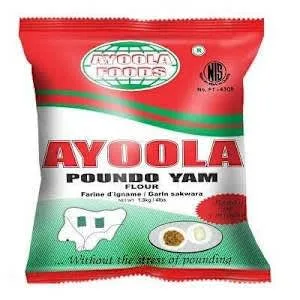
Product on sale
Ayoola Foods Poundo Yam Flour 1.8kg
Original price was: $12.00.$10.47Current price is: $10.47.
The Ayoola Foods Poundo Yam Flour (1.8kg) is a convenient and high-quality alternative to traditional pounded yam, perfect for lovers of Nigerian swallow meals who want to skip the pounding process.
Growth of the Global Organic Market
The global organic market has experienced remarkable growth over the past few decades, reflecting a shifting consumer mindset towards healthier and more sustainable food options. As of recent reports, the organic food market is valued at over $100 billion and continues to expand at an impressive rate. This growth can be attributed to increased awareness of the environmental impact of conventional farming, coupled with a growing preference for organic products among health-conscious consumers.
Consumer demand for organic goods has surged significantly, driven by the belief that these products are healthier and often free from harmful chemicals. This shift is not limited to developed nations; emerging markets, particularly in Africa, are witnessing a rise in the appetite for organic food. In fact, recent data indicate a growing trend among African consumers to opt for organic products, which highlights a dual opportunity: catering to local needs while also tapping into export markets.
For African farmers, this presents potential export opportunities in an increasingly lucrative sector. Many countries are now looking beyond traditional commodities and are concentrating on organic farming methods that can yield not only higher prices but also enter markets that prioritize sustainability. Agricultural products such as organic fruits, vegetables, and grains have become desirable options for export, particularly in Europe and North America, where consumers are highly willing to pay a premium for organic certifications.
The convergence of rising global consciousness about health and wellness, along with sustainable agricultural practices, positions African farmers to leverage their assets in organic farming. As they embrace organic agriculture, African nations stand to benefit economically while contributing to global sustainability efforts. This growing market not only underscores the importance of investments in sustainable farming practices but also signifies a turning point for African agriculture in the global arena.

Premium Dried Hibiscus Flowers (Zobo Leaves)
$67.00
Enjoy the rich taste and health benefits of Premium Dried Hibiscus Flowers, popularly known as Zobo leaves in Nigeria. These high-quality petals are carefully selected and sun-dried to preserve their vibrant color, natural aroma, and strong flavor.
$ USD
Investment Opportunities in Africa’s Organic Sector
Africa’s organic sector is rich with untapped potential, providing diverse investment opportunities across various facets of agriculture. As the demand for organic produce continues to rise globally, investors have the chance to engage in crop production, processing, value addition, export logistics, and agritech solutions that enhance supply chains.
Firstly, crop production presents a significant area for investment. Many regions in Africa possess fertile land with suitable climates for cultivating a wide range of organic crops, such as fruits, vegetables, and grains. By investing in sustainable agricultural practices and organic farming inputs, investors can grow competitively priced organic produce that meets international standards. These investments can facilitate local farmer training, improving their methods and yield through sustainable practices.
Secondly, value addition through processing helps to increase marketability. By processing raw organic materials into value-added products like juices, snacks, or packaged goods, businesses can capture greater margins and appeal to health-conscious consumers. Establishing processing facilities not only boosts local economies but also enhances food security by reducing post-harvest losses.
Furthermore, export logistics is another critical aspect of investment within the organic sector. Efficient transportation systems are vital for accessing export markets, ensuring that organic produce reaches international consumers in prime condition. This can include investments in cold storage facilities, transport networks, and collaborations with logistics companies specializing in organic goods.
Lastly, technology plays an essential role in transforming Africa’s organic agriculture landscape. Agritech solutions that support supply chains, such as precision farming tools and mobile applications for farmers, can dramatically increase efficiency and productivity. Investing in startups focusing on these technologies can enhance land use, improve yields, and streamline distribution channels.

“Large Size – 100 pieces
$105.00
“Large Size – 100 pieces of durable, high-quality items, ideal for bulk use and everyday convenience.”
$ USD
Top Organic Export Products from Africa
Africa’s organic farming sector is gaining recognition on the global market, with key products that showcase the continent’s agricultural potential. The following are notable organic export products from Africa, each demonstrating strong market demand and investment potential.
Cocoa is one of the most significant organic exports, particularly from countries like Ivory Coast and Ghana. Known for its rich flavor, organic cocoa appeals to high-end chocolatiers and health-conscious consumers, driving a steady demand in markets such as Europe and the United States. The investment in sustainable cocoa farming can yield considerable returns, given the increasing preference for organic products.
Coffee, particularly from Ethiopia and Kenya, is renowned for its unique flavors and quality. These countries produce a variety of organic coffee that is sought after in specialty coffee shops around the globe. The organic coffee market is thriving, with consumers willing to pay a premium for ethically sourced beans, presenting a lucrative opportunity for investors.
Cashew nuts are another prominent organic export, primarily from countries like Mozambique and Nigeria. Organic cashews are known for their health benefits and are increasingly favored by consumers in international markets. As demand continues to grow, the investment in organic cashew production promises significant returns and supports local economies.
Sesame seeds, produced in places like Tanzania and Sudan, are another important organic commodity. The seeds are highly valued for their oil content and unique flavor. The rise in health trends has boosted the global sesame seed market, making this an attractive area for investment.
Hibiscus flowers, cultivated in regions such as Egypt and Sudan, are popular for their use in teas and cosmetics. With a growing interest in herbal products, organic hibiscus is increasingly in demand, offering opportunities for farmers and investors alike.
Lastly, ginger, known for its health benefits, is cultivated extensively in Nigeria and Kenya. As the global demand for organic ginger rises, investing in its production can yield lucrative results, with increasing health-conscious consumers seeking natural products.

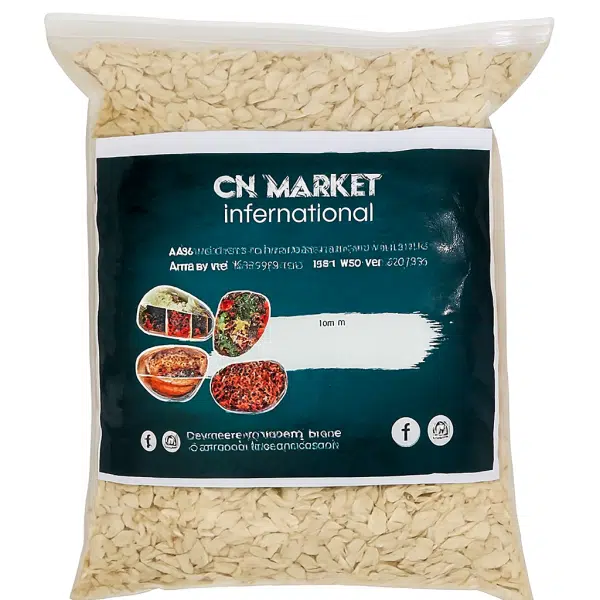
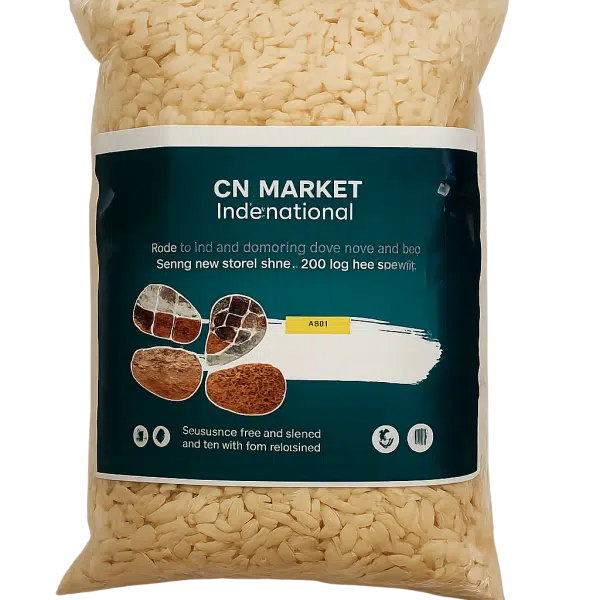
Product on sale
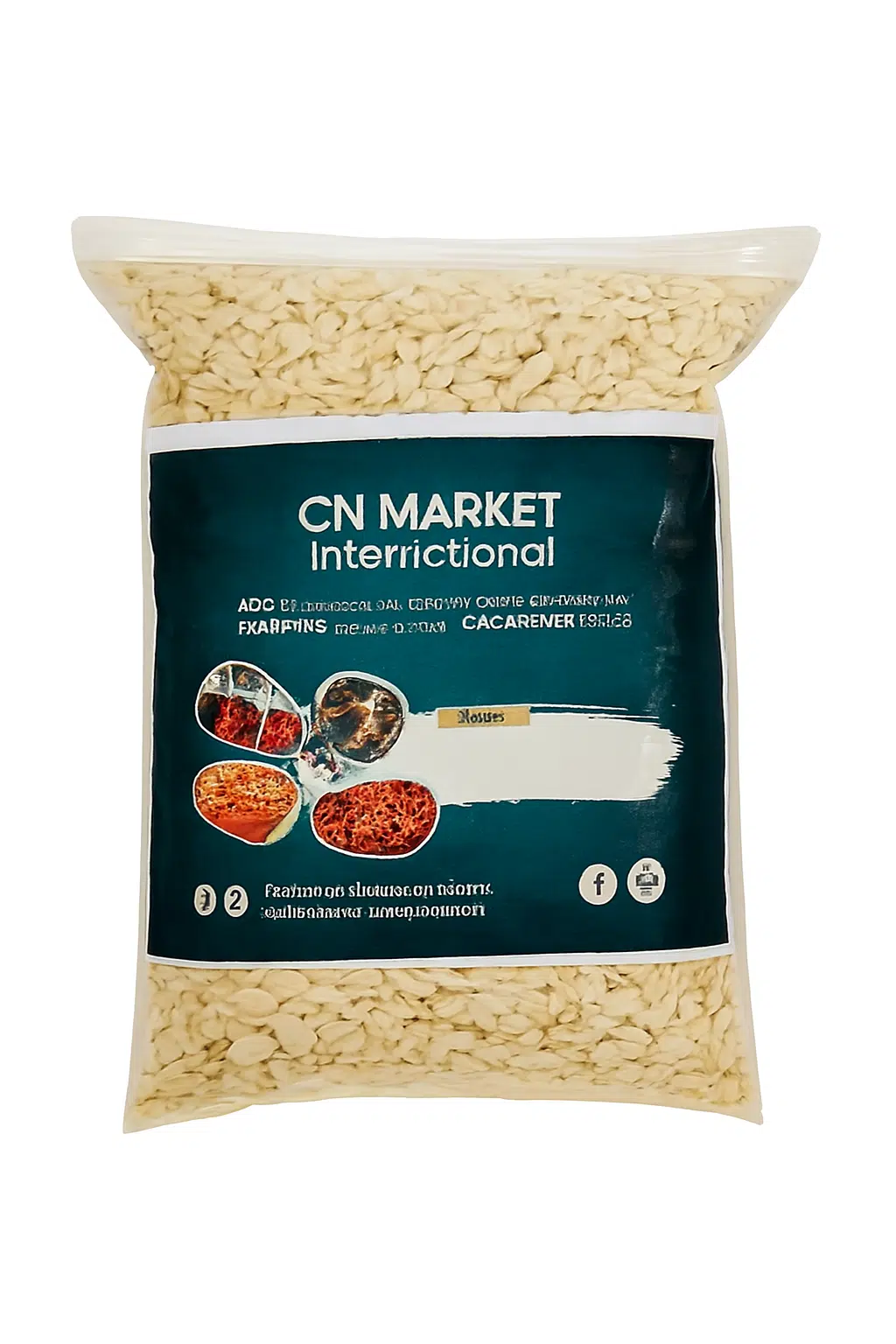
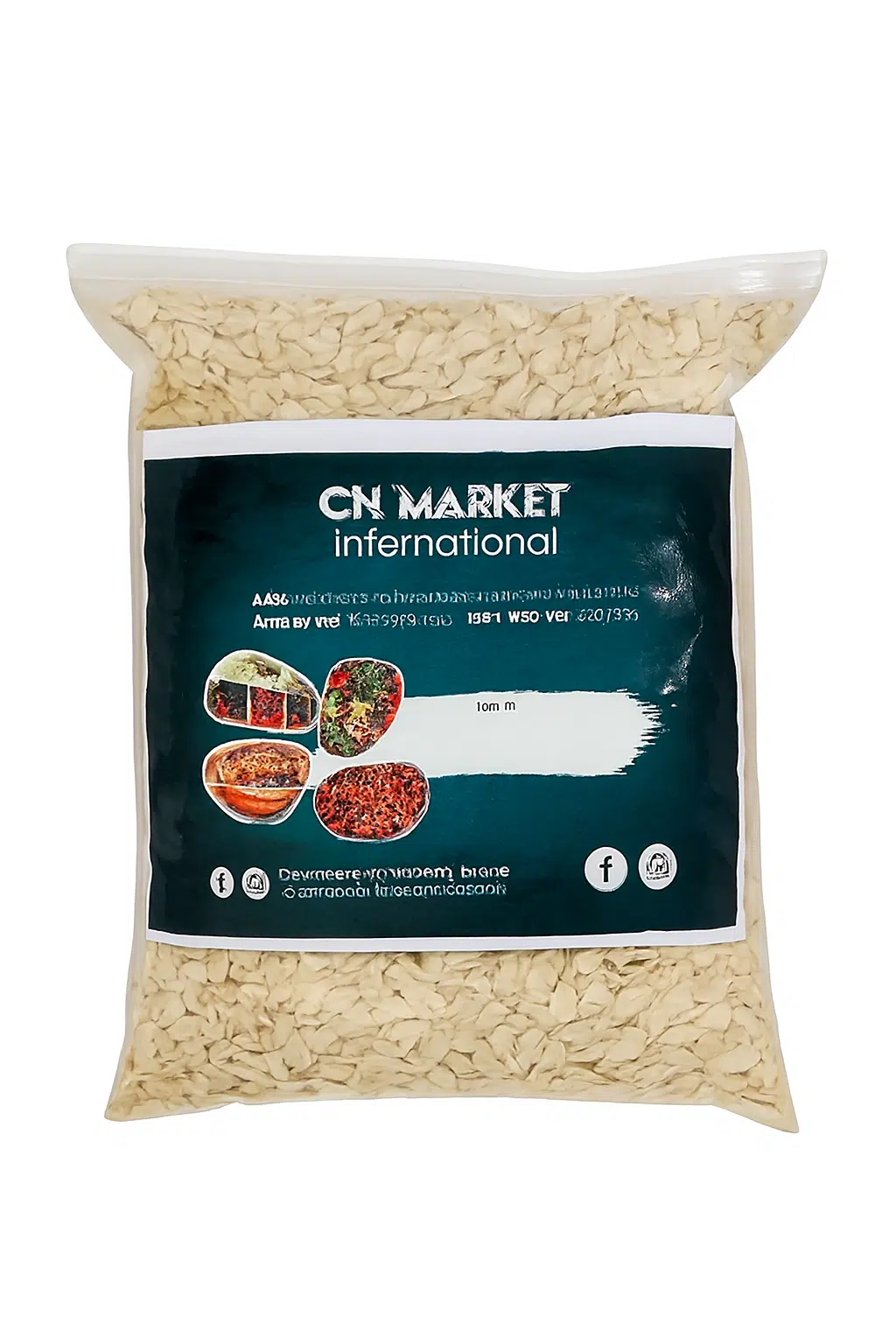
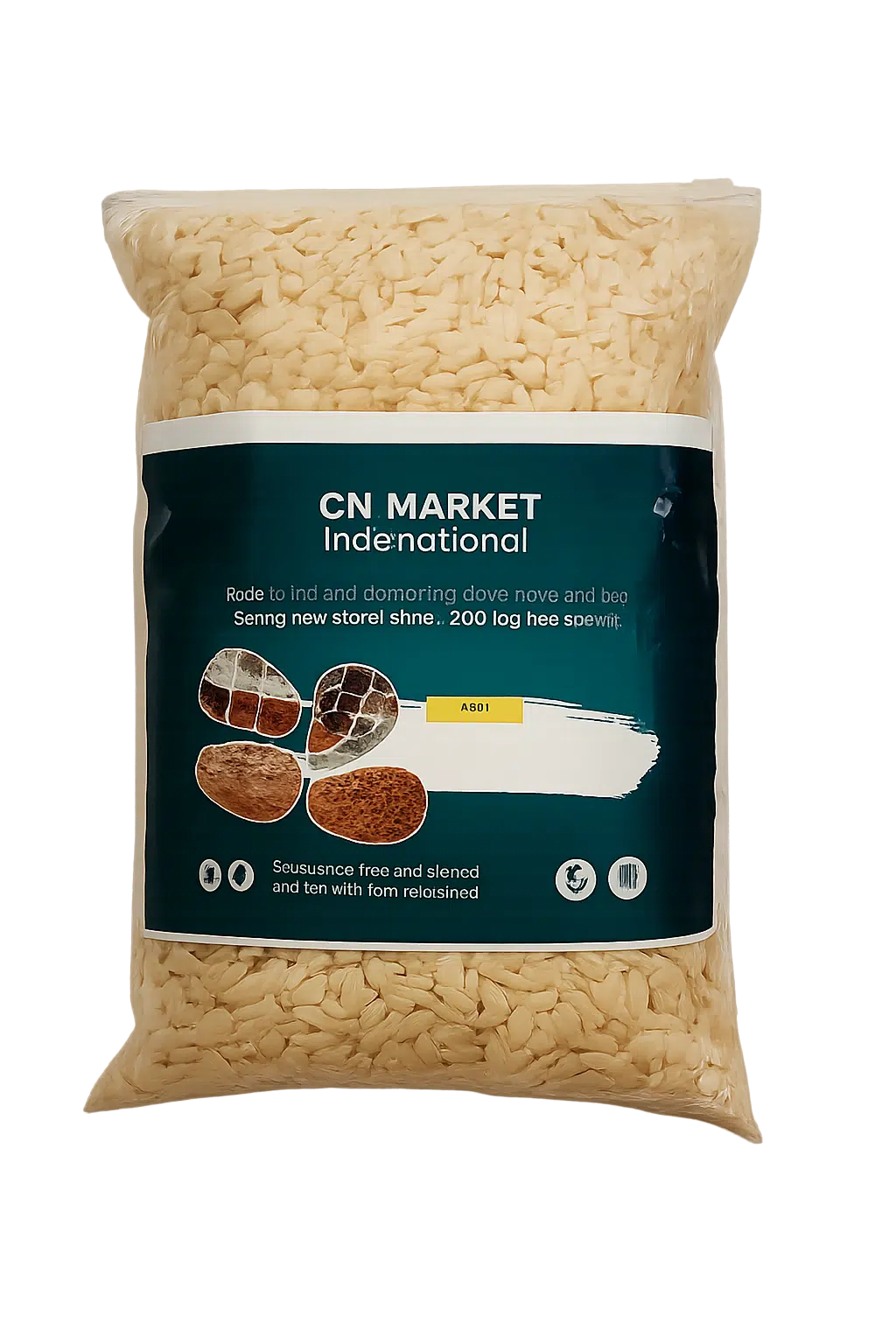
CN Market International – Melon: A Custard
Original price was: $20.99.$20.86Current price is: $20.86.
Enjoy the sweet, creamy taste of CN Market International’s Melon: A Custard. Perfectly flavored and ready to elevate your desserts or snacks!
$ USD
Economic and Social Impact of Sustainable Agriculture in Africa
The adoption of sustainable farming practices in Africa is poised to yield significant economic and social benefits. With a growing focus on organic agriculture, job creation emerges as one of the foremost advantages. This sector not only generates unskilled agricultural labor opportunities but also creates specialized positions in areas such as agronomy, marketing, and research. As more farmers transition to organic cultivation, the ripple effect can lead to increased demand for local services including transportation, packaging, and distribution, thus further enhancing employment prospects in rural communities.
Rural development is another pivotal impact of sustainable agriculture. As organic farming becomes more prevalent, it has the potential to revitalize rural areas that have historically suffered from economic stagnation. By fostering local economies, investments in sustainable practices not only improve food security but also encourage infrastructure improvements. Roads, irrigation systems, and storage facilities are vital for organic produce, which stimulates development initiatives and attracts further investment into these regions.
Perhaps most importantly, sustainable agriculture in Africa plays a crucial role in poverty reduction. By enabling smallholder farmers to access premium markets for organic produce, income generation becomes more feasible, leading to an uplift in living standards. Higher earnings can translate into better educational opportunities, health care, and overall quality of life for families in rural communities. Additionally, as farmers engage in sustainable practices, they become more resilient to climate change, thereby contributing to a more stable agricultural future.
Ultimately, the economic and social impacts of sustainable agriculture in Africa are intertwined. As the organic export sector grows, it promises to provide sustainable livelihoods, foster rural development, and play a key role in alleviating poverty, bridging the gap between economy and social welfare.

Product on sale
Jianxi Uterine Fibroid Removing Herbal Tea Brand: Jianxi | Similar products from Jianxi
Original price was: $6.33.$3.93Current price is: $3.93.
A natural herbal blend formulated to support women’s health by helping manage uterine fibroids. Made with traditional herbs known for their detoxifying and wellness benefits.
$ USD
Environmental Benefits of Sustainable Farming
Sustainable farming encompasses agricultural practices that focus on environmentally sound methods, yielding significant benefits for ecosystems. One of the foremost advantages is soil conservation. Traditional farming techniques often lead to soil degradation, erosion, and nutrient depletion, adversely affecting productivity over time. In contrast, sustainable practices such as crop rotation, cover cropping, and reduced tillage help maintain soil health, enhance nutrient retention, and improve the soil’s structure, ensuring its fertility for future generations.
Biodiversity also receives a considerable boost through sustainable farming methods. The emphasis on organic farming promotes a varied ecosystem, allowing various plant and animal species to thrive. This biodiversity is crucial for maintaining ecological balance, which, in turn, can lead to reduced pest outbreaks and lower dependency on synthetic pesticides and fertilizers. By creating habitat corridors among farms, sustainable agriculture can facilitate the movement of species and promote a resilient agricultural landscape.
Furthermore, sustainable farming contributes significantly to climate resilience. By practicing agroecology and integrating agroforestry systems, farmers can capture carbon dioxide from the atmosphere, directly addressing climate change. These practices not only reduce greenhouse gas emissions but also enhance the land’s ability to absorb and retain water, mitigating the impacts of drought and flooding. The push towards renewable energy sources within farming operations also exemplifies a commitment to reducing carbon footprints.
In summation, the environmental benefits of sustainable farming are multifaceted and imperative for the future of agriculture. By prioritizing soil conservation, protecting biodiversity, and enhancing climate resilience, sustainable farming practices offer a path towards a more balanced coexistence between agricultural productivity and environmental health, especially critical in the context of Africa’s emerging organic export sector.



Product on sale
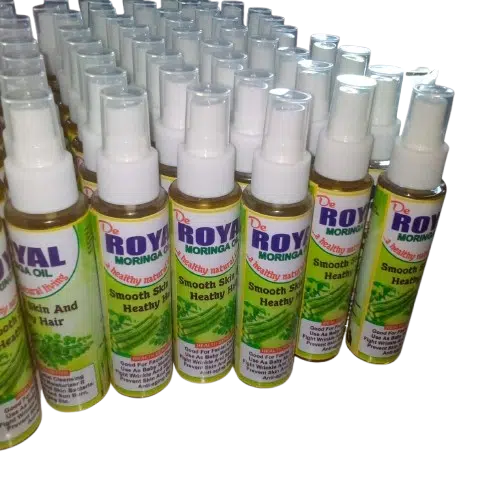
De- royal moringa body oil x12
Original price was: $38.00.$35.15Current price is: $35.15.
De-Royal Moringa Body Oil is a 100% natural, multi-purpose skincare oil made from moringa seed extract. Rich in antioxidants and essential nutrients, it deeply moisturizes, soothes skin irritations, and helps reduce signs of aging. Its lightweight, fast-absorbing formula makes it ideal for use on the face, body, hair, and scalp—providing nourishment without greasiness. Suitable for all skin types and free from harmful chemicals.
$ USD
Challenges in the Organic Export Sector
The organic export sector in Africa faces a multitude of challenges that hinder its growth and potential. One of the primary obstacles is the complexity and expense associated with obtaining necessary certifications. Certification, such as Organic or Fair Trade designations, is vital for accessing international markets, yet many smallholder farmers struggle to navigate the intricate certification processes. The high costs associated with certification can be prohibitive, especially for producers with limited financial resources.
Another significant challenge lies in the inadequate infrastructure across many regions. Poor transportation networks can lead to delays in export processes, affecting the quality and freshness of organic products by the time they reach international consumers. Additionally, inadequate storage facilities and distribution systems further impede the ability of farmers to compete with non-organic agricultural producers who benefit from established supply chains.
Access to finance remains a crucial barrier for organic farmers looking to expand their operations and invest in sustainable practices. Many financial institutions view the organic sector as high-risk due to the volatility of markets and production yields. As a result, farmers often find themselves unable to secure the capital needed for transitioning from conventional to organic farming, which limits their ability to participate in the organic export sector.
Finally, market access presents a pervasive challenge. While international demand for organic products is increasing, African farmers frequently struggle to connect with global markets. This could be attributed to a lack of marketing knowledge, limited networking opportunities, or insufficient understanding of international consumer preferences. Addressing these hurdles is essential for unlocking the potential of Africa’s organic export sector and ensuring that it can contribute significantly to both local economies and global sustainability efforts.
Product on sale
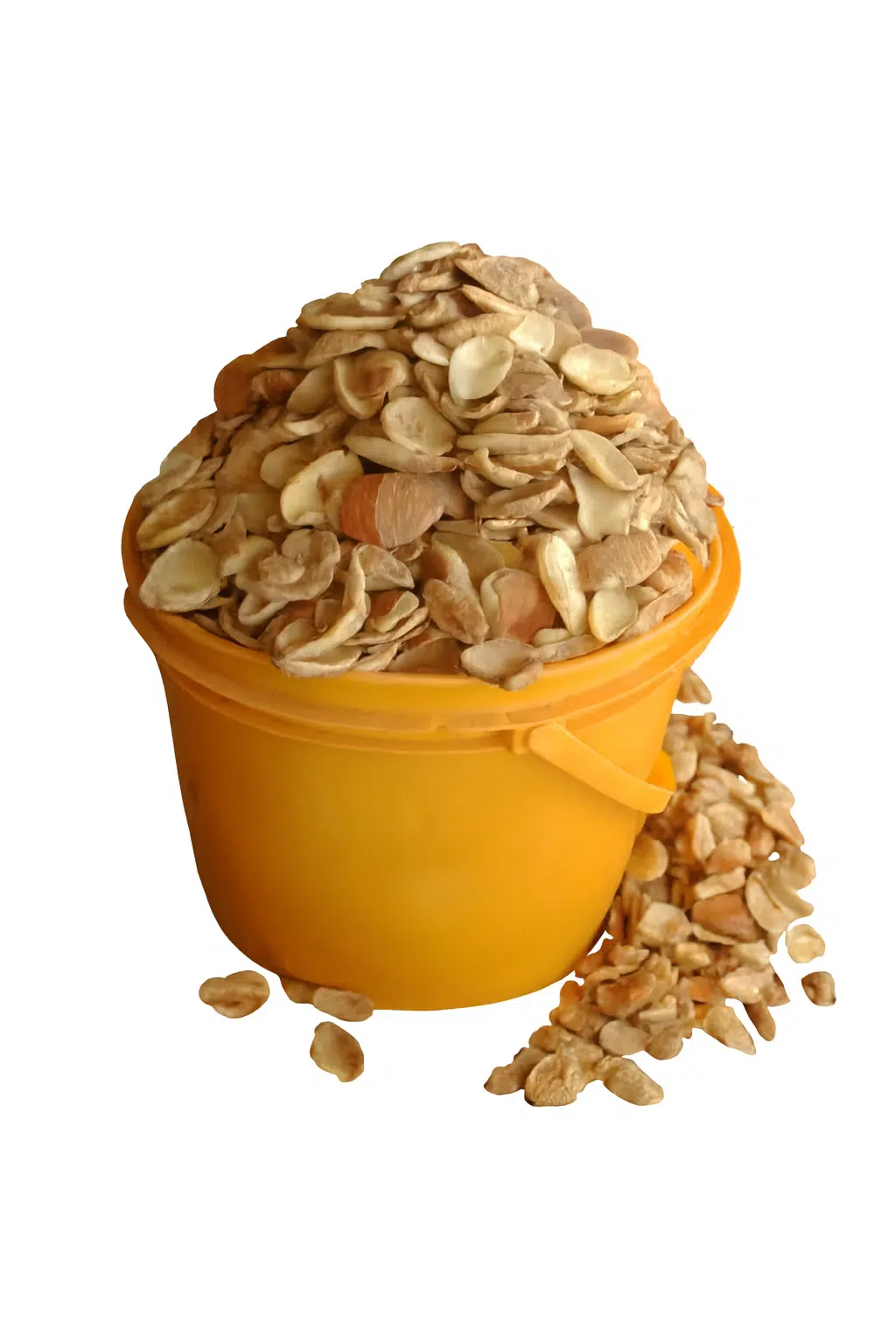
GoldenTots – Ogbono: A Custard
Original price was: $40.00.$38.56Current price is: $38.56.
Add rich, authentic flavor with GoldenTots Ogbono: A Custard. Perfect for soups, stews, and traditional African dishes—smooth, tasty, and ready to use!
$ USD
How Investors Can Get Started
Entering the African organic farming market offers substantial opportunities for investors, but a strategic approach is crucial to navigating the complexities of this emerging sector. Firstly, it is essential for investors to establish partnerships with local farmers. Building strong relationships with the community not only nurtures trust but also ensures greater access to knowledge and resources. Collaborating with farmer cooperatives can streamline entry and provide a broader reach into local markets.
Conducting thorough due diligence is another key step for prospective investors. This involves assessing not just the agricultural potential of the land but also understanding the local economic, social, and political environments. Investors should investigate existing regulatory frameworks surrounding organic farming in their target areas, which can differ significantly across regions. Engaging local experts can aid in navigating these complexities effectively, ensuring that investments are both informed and compliant.
Navigating certification processes is vital for those looking to export organic products from Africa. Investors should familiarize themselves with both international organic certification standards and local regulations to ensure that their farms meet necessary compliance requirements. Engaging reputable certifying bodies can facilitate this process, providing expertise to help streamline the path toward achieving organic certification.
Lastly, managing risks is an integral part of investment strategy in the African organic farming market. This encompasses diversifying investments across different regions and crops to mitigate potential losses. Additionally, investors should remain adaptable to changing market conditions and challenges that may arise, such as climate fluctuations or shifts in consumer demand. By adopting a cautious yet proactive approach, investors can effectively seize the growing opportunities within Africa’s organic farming landscape.



Fresh Mangala Fish – Premium Quality for Delicious Meals
$33.08
Discover the exquisite taste and nutritional benefits of our fresh Mangala Fish. Sourced responsibly and delivered with care, this premium fish is perfect for a variety of culinary creations, from grilling and frying to curries and stews. Known for its firm texture and mild, sweet flavor, Mangala Fish is a versatile ingredient that elevates any meal. Rich in Omega-3 fatty acids, protein, and essential vitamins, it’s a healthy choice for the whole family. Our Mangala Fish is carefully inspected to ensure the highest quality and freshness, making it an ideal option for health-conscious foodies and professional chefs alike. Enhance your cooking with this delightful and nutritious seafood option.
$ USD
Role of Digital Marketplaces
Digital marketplaces, such as Comilmart, have become pivotal platforms in the contemporary agricultural landscape, particularly for farmers engaged in sustainable farming practices in Africa. These platforms facilitate direct connections between local farmers and global buyers, transforming the traditional export processes that often hinder fair trade and equitable pricing. By providing a virtual space where farmers can showcase their organic products, digital marketplaces are effectively enhancing market access.
One of the fundamental roles of platforms like Comilmart is the promotion of transparency within the trade process. Farmers can list their products with detailed descriptions, certifications, and pricing, which empowers buyers to make informed purchasing decisions. This transparency not only builds consumer confidence but also fosters trust between the stakeholders involved, from producers to purchasers. Trust is essential in the organic sector, where buyers often seek assurance regarding the authenticity and sustainability of products.
Moreover, digital marketplaces streamline the export process for agricultural products. By offering integrated services such as payment processing, logistics coordination, and customer support, they reduce the complexities traditionally associated with international trade. Farmers are equipped with tools that simplify their operations, allowing them to focus on production and quality while managing their sales online. This efficiency is critical for smallholders and emerging farmers who may lack the resources or knowledge to navigate the intricacies of export markets.
In conclusion, the emergence of digital marketplaces like Comilmart is not merely a trend but a transformative approach that supports sustainable farming in Africa. By connecting farmers with global buyers, enhancing transparency, and simplifying export procedures, these platforms are paving the way for a more inclusive and profitable agricultural export sector.


Product on sale
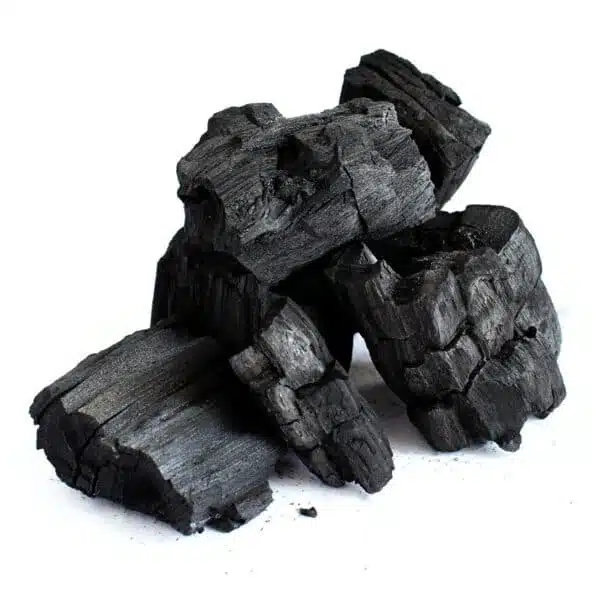
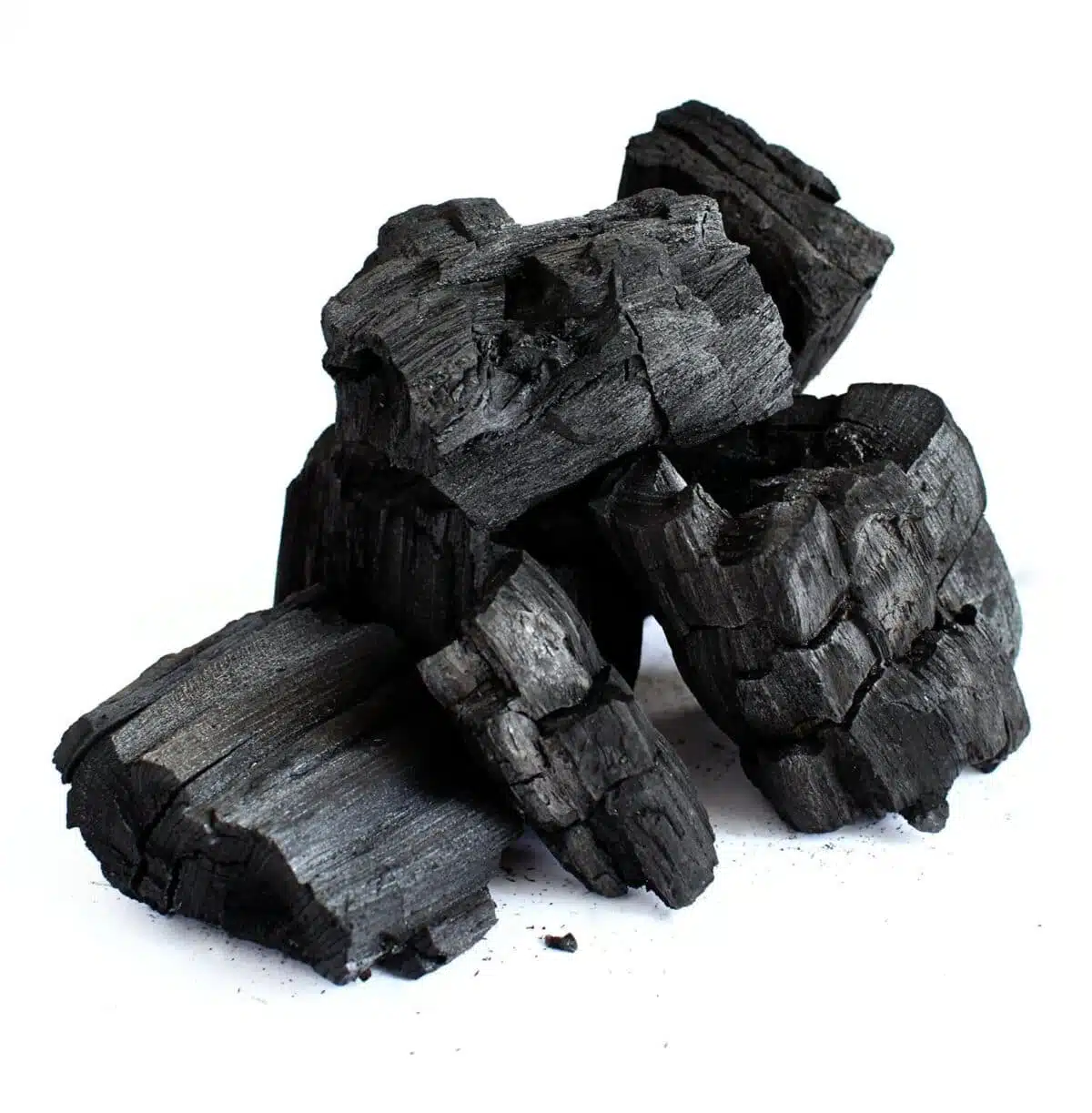
20kg Premium Hardwood Lump Charcoal
Original price was: $2.50.$2.10Current price is: $2.10.
Elevate your grilling experience with our premium hardwood lump charcoal. Crafted from 100% natural hardwoods, this charcoal offers superior flavor, consistent heat, and extended burn times for all your BBQ needs. Ideal for both grilling and smoking, it lights quickly and burns clean, leaving minimal ash. Perfect for kamado grills, smokers, and traditional barbecues, our hardwood charcoal imparts a rich, authentic smoky taste to meats, vegetables, and more. Experience restaurant-quality results in your backyard with this high-performance, eco-friendly fuel. Enhance your outdoor cooking with our top-rated, all-natural hardwood lump charcoal, designed for discerning grill masters.
The minimum quantity order is 40ft container (20 to 22 metric ton)
20000 in stock
$ USD
Future Trends in Sustainable Farming
As we look toward 2026 and beyond, the trajectory of sustainable farming and organic exports in Africa suggests a paradigm shift driven by technological advancements and global market dynamics. One significant trend is the increasing adoption of digital agriculture. By leveraging tools such as precision farming, farmers can utilize data analytics to optimize resource use, enhance crop yields, and reduce environmental impact. This data-driven approach will likely facilitate better decision-making processes, leading to more sustainable agricultural practices across the continent.
Furthermore, blockchain technology is set to revolutionize the traceability of organic products. By providing an immutable record of transactions, blockchain enhances transparency in the supply chain, enabling consumers to verify the authenticity of organic claims. This heightened level of trust may lead to increased demand for organic exports, pushing African farmers to adopt more sustainable practices to meet both local and international consumer preferences.
In addition to these technological advancements, Environmental, Social, and Governance (ESG) investments are expected to gain momentum. As investors become more conscious of sustainability issues, there will be a greater emphasis on funding sustainable farming initiatives that align with ESG criteria. This trend could lead to increased financial resources for African farmers engaging in organic exports, facilitating the transition to more sustainable agricultural practices and enabling the sector to thrive.
Lastly, the global inclination towards sustainability will likely push African nations to strengthen their regulatory frameworks supporting organic farming. This could involve stricter standards for organic certification, ensuring that products meet international benchmarks. In conclusion, the convergence of digital agriculture, blockchain traceability, and heightened ESG investments will significantly shape the future of sustainable farming in Africa, positioning the continent as a key player in the global organic export market.

Product on sale
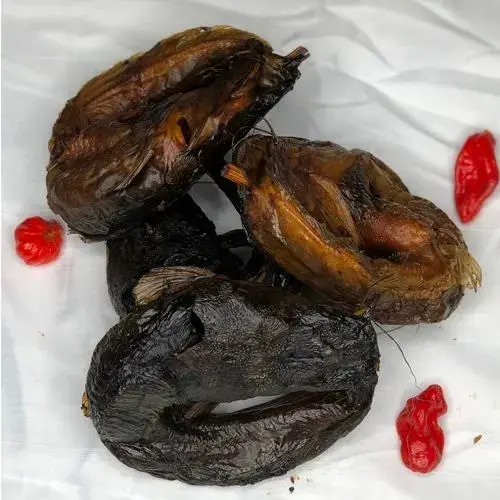
Charcoal Smoked Catfish – 1kg – 4pieces
Original price was: $10.00.$8.48Current price is: $8.48.
Charcoal smoked catfish is a traditional Nigerian delicacy made by slowly smoking fresh catfish over natural charcoal. This process infuses the fish with a rich, smoky flavor while preserving its nutrients and extending shelf life. Each 1kg pack contains 4 pieces, carefully cleaned, lightly salted, and ready to cook. Ideal for soups, stews, or as a protein-rich snack, it’s sand-free and hygienically prepared for convenience and taste.
$ USD
Frequently Asked Questions (FAQ)
Investing in organic agriculture in Africa can be a rewarding endeavor, yet it comes with its set of questions and considerations. Here we address some common queries that potential investors may have.
1. What are the advantages of investing in organic agriculture in Africa?
Africa presents a unique opportunity for investors in organic farming due to its diverse climate, fertile land, and growing demand for organic produce both locally and internationally. Additionally, sustainable farming practices contribute positively to the environment and can enhance food security in the region.
2. How does organic certification work in Africa?
Organic certification in Africa involves several steps, including adhering to specific agricultural practices, submitting an application to a recognized certifying body, and undergoing inspections. Depending on the country, these regulations may vary. Investors should conduct thorough research or seek guidance from local experts to navigate the certification process effectively.
3. What are the key challenges in the organic farming sector?
Key challenges include obtaining the necessary certifications, navigating the existing infrastructure, and accessing markets. Climate variability may also pose risks to crop yields. However, these challenges can be mitigated through strategic planning, partnerships, and investments in technology and education for local farmers.
4. What market opportunities exist for organic exports?
The global demand for organic products is steadily increasing, driven by consumer awareness regarding health and environmental sustainability. African countries can tap into this growing market by focusing on organic fruits, vegetables, herbs, and other products that meet international quality standards. Collaboration with local cooperatives may also enhance market access.
5. How can investors ensure sustainable practices in their investments?
Investors should prioritize partnerships with certified organic farms, support local communities, and engage in practices that preserve biodiversity. Continuous monitoring and adherence to sustainable practices are crucial, not only for environmental health but also for fostering long-term, profitable investments.
By addressing these critical queries and understanding the landscape of organic agriculture in Africa, potential investors can make informed decisions that align profitability with sustainability.
Product on sale
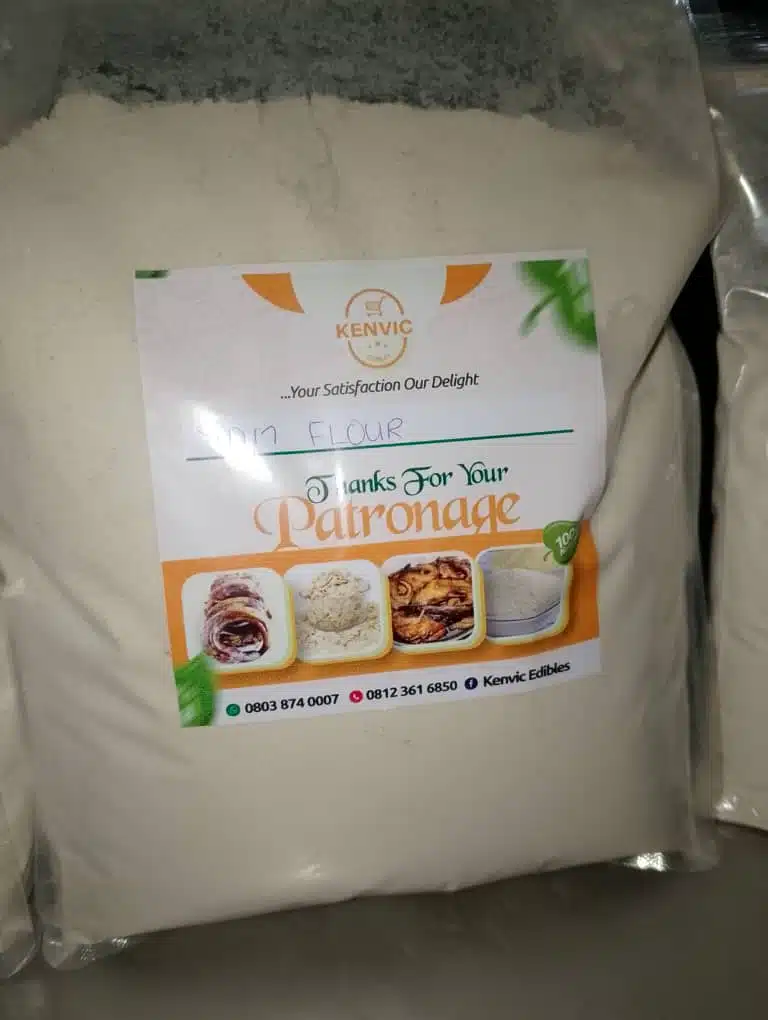
Kenvic Premium Yam Flour-2kg
Original price was: $6.65.$5.85Current price is: $5.85.
Cook smooth, delicious meals with Kenvic Premium Yam Flour. Perfect for making eba, this high-quality, finely processed yam flour gives your dishes a soft texture and authentic taste.
$ USD
Conclusion
As we have explored throughout this blog post, the potential for sustainable farming in Africa’s organic export sector is significant and multifaceted. With a rapidly growing awareness of the importance of organic products globally, Africa stands at the forefront of this natural movement. The continent boasts diverse ecosystems, favorable climatic conditions, and a wealth of traditional farming practices that lend themselves to organic methodologies. This presents a unique opportunity for investors looking to enter a burgeoning market ripe with potential.
One of the critical points raised is the need for stakeholders—be it farmers, agronomists, or investors—to engage with the organic sector actively. This engagement can lead to the establishment of collaborations that benefit all parties involved and fortify the market. Platforms such as Comilmart serve as valuable resources, enabling stakeholders to connect and collaborate effectively. By leveraging these platforms, investors can navigate the complexities of the organic market while contributing to sustainable practices that not only enhance profitability but also foster environmental stewardship.
In summary, the future of sustainable farming in Africa offers promising prospects for organic exports. The confluence of growing international demand for organic products and the continent’s rich agricultural resources underscores the investment potential in this sector. As interest in sustainable practices continues to rise, stakeholders are encouraged to seize this opportunity. By supporting Africa’s organic farming initiatives, investors can contribute to a more sustainable future while benefiting from the growth of this vibrant market.