















Introduction
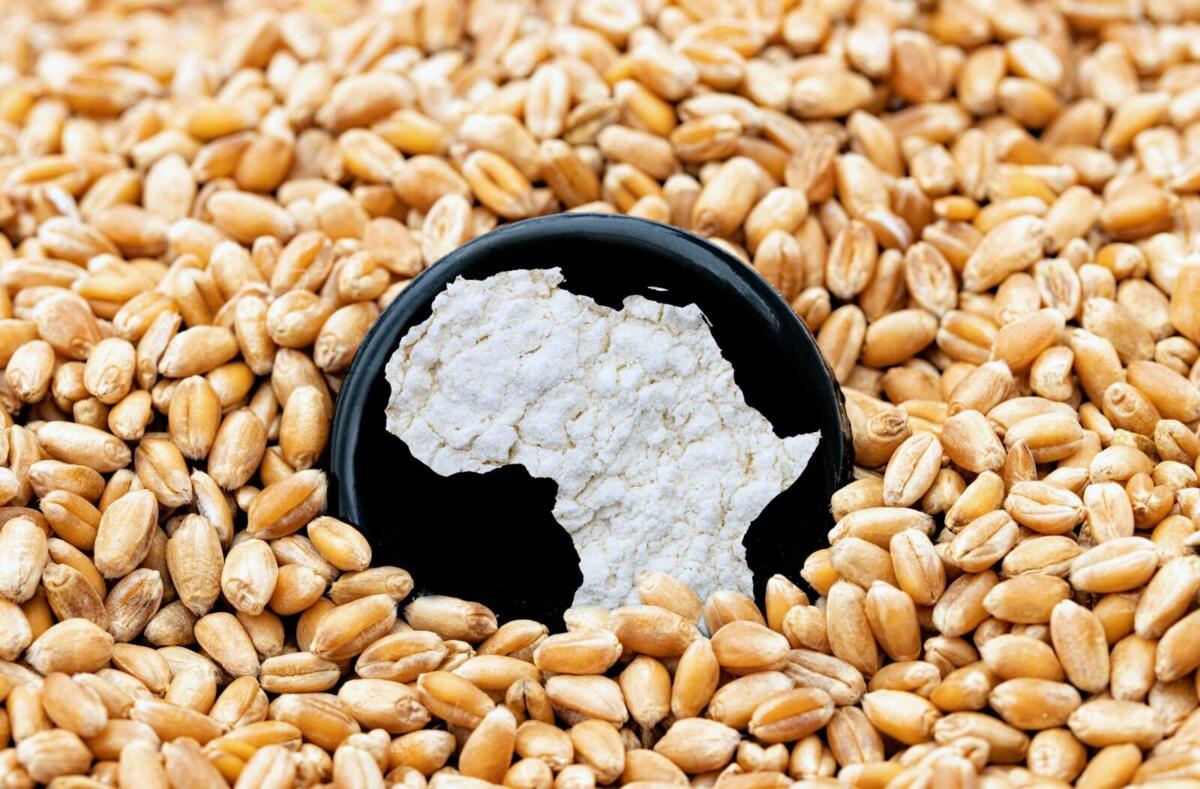
Ensuring Quality Control for International Agro Product Imports. Quality control in the global agro trade is a critical element that ensures the safety, quality, and efficacy of agro-products destined for international markets. With the increasing globalization of food supply chains, maintaining stringent quality standards throughout the entire journey from soil to shipment is paramount. By ensuring that each step in the production and distribution processes meets specific criteria, producers and suppliers can protect the integrity of their products and the health of consumers.
Click here to start selling on Comilmart
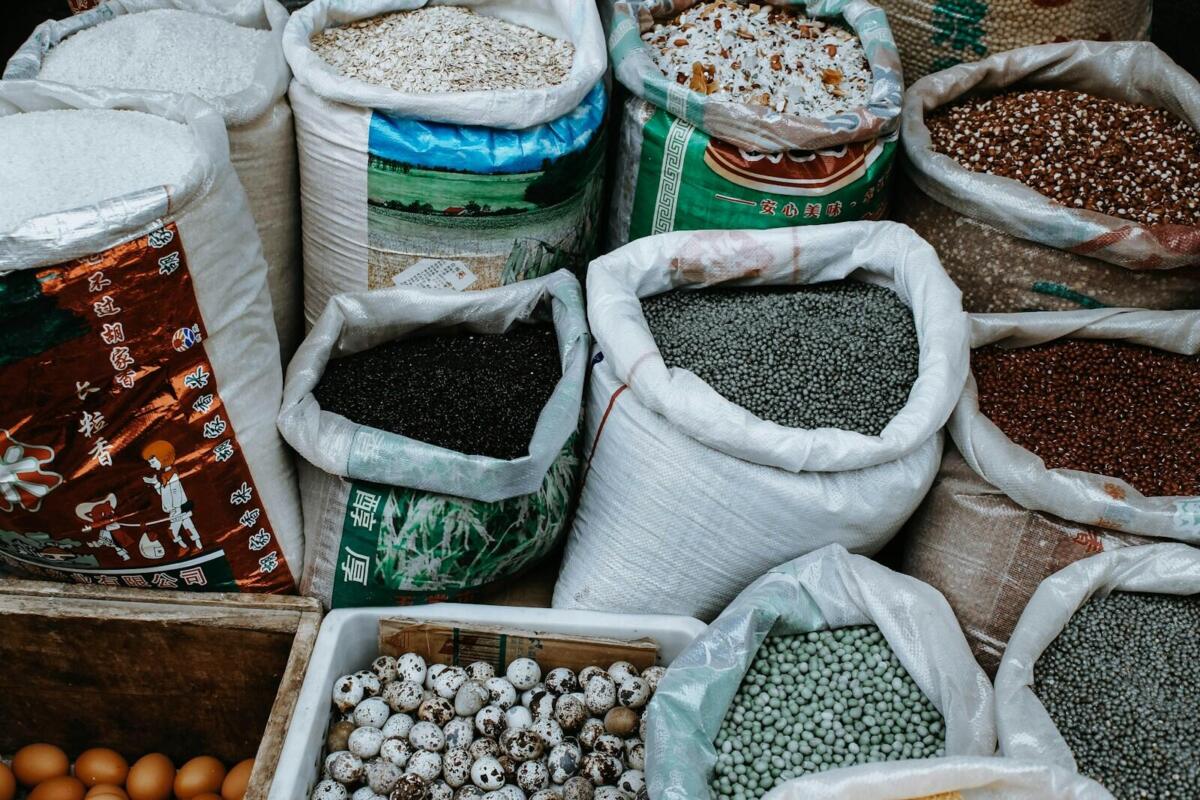
The significance of quality control for international agro-product imports cannot be overstated. Low-quality products pose a variety of risks not only to consumer health but also to trade relationships and market stability. Contaminated or substandard goods can lead to serious health threats, which may cause public health crises, trade sanctions, and substantial financial losses for businesses involved. For instance, an outbreak linked to tainted produce can result in long-lasting damage to a brand’s reputation and a decline in consumer trust.
The ‘soil to shipment’ concept encapsulates the various phases that an agro-product undergoes before reaching consumers. This approach underscores the importance of quality control at each stage – from agricultural practices in the soil where crops are grown, to the post-harvest handling, transportation, and eventual shipment to international markets. Each of these phases plays a significant role in determining the final quality of the product. Agricultural practices must incorporate safe and effective methods for pest control, fertilization, and harvesting, while proper handling during transportation ensures that products retain their quality during transit. Understanding the implications of each phase is essential for stakeholders looking to uphold high standards in agro-product imports.
Why Quality Control Matters in Agro-Product Imports
Quality control is a pivotal component of the agro-product import process due to its implications on food safety, financial integrity, regulatory compliance, and brand reputation. The global food supply chain is vulnerable to various risks that can arise from low-quality products, including contamination and spoilage. Such risks pose significant threats to consumer health, leading to foodborne illnesses, which can have devastating consequences. Ensuring that agro products meet the highest safety standards is imperative for maintaining public trust and safeguarding consumers.
Moreover, importing substandard agro products can result in considerable financial losses. Distributors and retailers may face increased costs due to returns, waste, and potential liability claims stemming from health issues associated with low-quality goods. These financial implications extend beyond immediate costs; they can hinder future business opportunities. Thus, a robust quality control system can help mitigate such risks, ensuring that products not only meet safety requirements but are also marketable and profitable.
In addition to financial considerations, compliance with international and local regulations is crucial. Governments impose strict guidelines to guarantee the safety and quality of food products entering their markets. Failing to adhere to these regulations can result in penalties, including fines, product recalls, and even bans on future imports. Therefore, establishing effective quality control measures assists businesses in navigating these complexities while ensuring conformity with the law.
Lastly, the quality of agro products directly affects brand reputation. In the competitive marketplace, brands that consistently deliver high-quality products are likely to cultivate customer loyalty. Conversely, incidences of low-quality imports can damage a brand’s image and erode consumer confidence. Consequently, quality control is not merely a necessary operational practice but also a strategic advantage, reinforcing a brand’s position in the market.
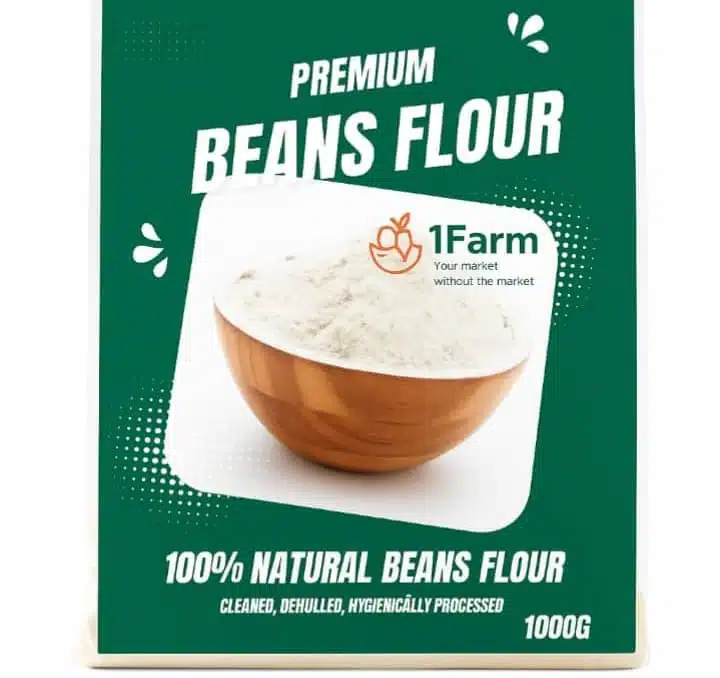
Product on sale
1Farm Beans Flour-1kg
Original price was: $9.50.$8.00Current price is: $8.00.
Made from high-quality Nigerian brown beans, this flour is 100% natural, preservative-free, and packed with plant protein and fiber. Ideal for quick preparation of akara, moi-moi, and beans pancakes—no peeling, no stress
$ USD
Understanding the Agro Supply Chain (Soil to Shipment)
The agro supply chain encompasses several critical stages that contribute to the final quality of agricultural products delivered to consumers. Understanding each stage—from farming and cultivation to the final shipment—is essential for ensuring product quality and safety.
First, the farming and cultivation process lays the foundation for quality. Farmers must select appropriate seeds, implement best agricultural practices, and monitor soil health to cultivate high-quality crops. Integrating sustainable farming methods can enhance yield while minimizing negative environmental impacts. Quality control starts at this stage by choosing disease-resistant seed varieties and employing effective pest management strategies.
Next, harvesting is a pivotal moment in the supply chain, as the timing of the harvest can significantly influence product quality. Crops must be harvested at their peak to ensure optimal freshness and flavor. Proper handling during this stage is vital; any damage can lead to spoilage and contamination. Quality management should include training workers in careful harvesting techniques and promptly transporting produce to processing facilities.
Following harvesting, processing and storage play crucial roles in maintaining the integrity of agro products. Processing involves cleaning, sorting, and possibly transforming products while maintaining their nutritional value. Quality control measures such as regular inspections and adherence to hygiene standards are essential during this phase. Moreover, storage conditions—like temperature and humidity—must be monitored to prevent degradation.
Packaging is another important aspect, as it protects products during transport and provides essential information to consumers. Selecting appropriate materials that minimize exposure to air and moisture is vital for preserving quality. Finally, transportation must be carefully managed to ensure that agro products move efficiently while maintaining ideal conditions. This includes choosing the right vehicles, maintaining temperature controls, and minimizing transit times.
Ultimately, quality control throughout the agro supply chain—from soil to shipment—requires a comprehensive understanding of each stage. By implementing strategic practices and maintaining vigilant oversight, businesses can ensure that they deliver high-quality agricultural products to international markets.
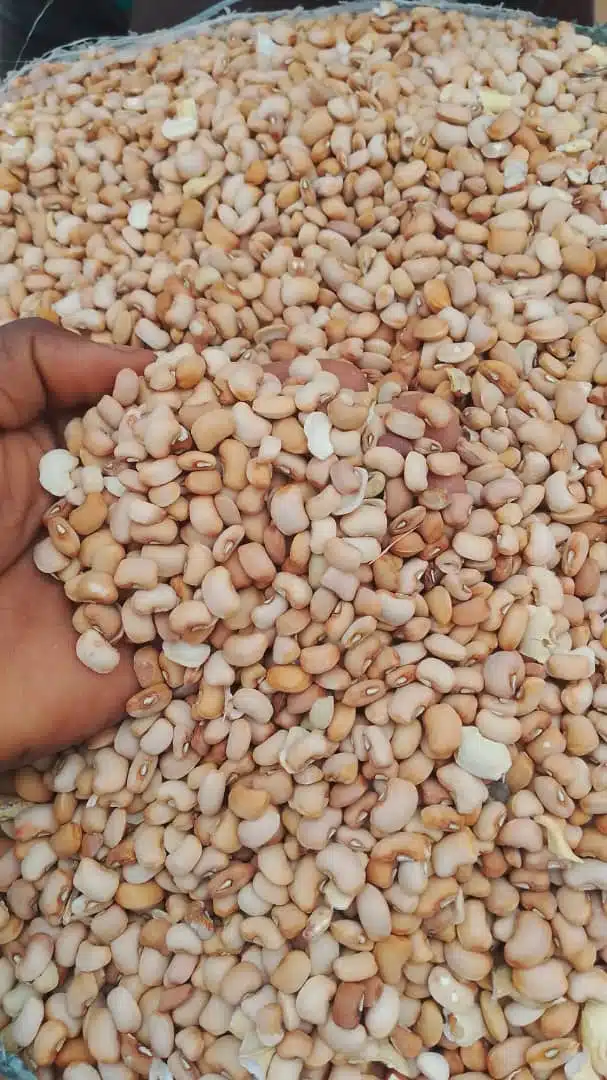
Product on sale
30-Pack Custard Beans – ST SeafoodStuff & More
Original price was: $75.60.$74.52Current price is: $74.52.
Enjoy fresh, premium Custard Beans with this convenient 30-pack bag from ST SeafoodStuff & More. Perfect for soups, stews, or traditional dishes—delivering quality and flavor every time!
$ USD
Quality Control at the Farming Stage
The farming stage is integral to ensuring the quality of agro-products destined for international markets. A successful agricultural endeavor begins with maintaining optimal soil health. Healthy soil, rich in essential nutrients, supports robust plant growth and directly influences the quality of the produce. Farmers often engage in practices such as crop rotation, cover cropping, and composting to enhance soil vitality. Regular soil testing helps in understanding its nutrient profile, thereby guiding fertilization practices and ensuring that the soil remains conducive to high yield, healthy crops.
Seed selection is another critical factor that impacts product quality. Farmers must choose seeds that not only possess traits suited to local climate conditions but also have a proven resilience against pests and diseases. High-quality seeds often lead to uniformity in crop yields, thus meeting international quality standards. Furthermore, adopting certified seeds can significantly elevate the quality of the produce, as they are subject to rigorous testing and standards before being made available to farmers.
The appropriate use of fertilizers and pesticides also plays a vital role in maintaining the quality of agricultural products. In conventional farming, synthetic fertilizers and pesticides are commonly used to maximize yields. While these methods can enhance production, they may also raise concerns regarding chemical residue on produce. Conversely, organic farming prioritizes natural fertilizers, such as compost or manure, and relies on biopesticides. Although organic methods may yield lower quantities, they often result in a product that appeals to health-conscious consumers, thereby improving marketability due to fewer chemical inputs.
In conclusion, the approach to soil management, seed selection, and the methods employed for fertilization and pest control all significantly affect the quality of agro-products during the farming stage. A careful balance between conventional and organic practices can lead to improved product quality, meeting the expectations of global markets and consumers.
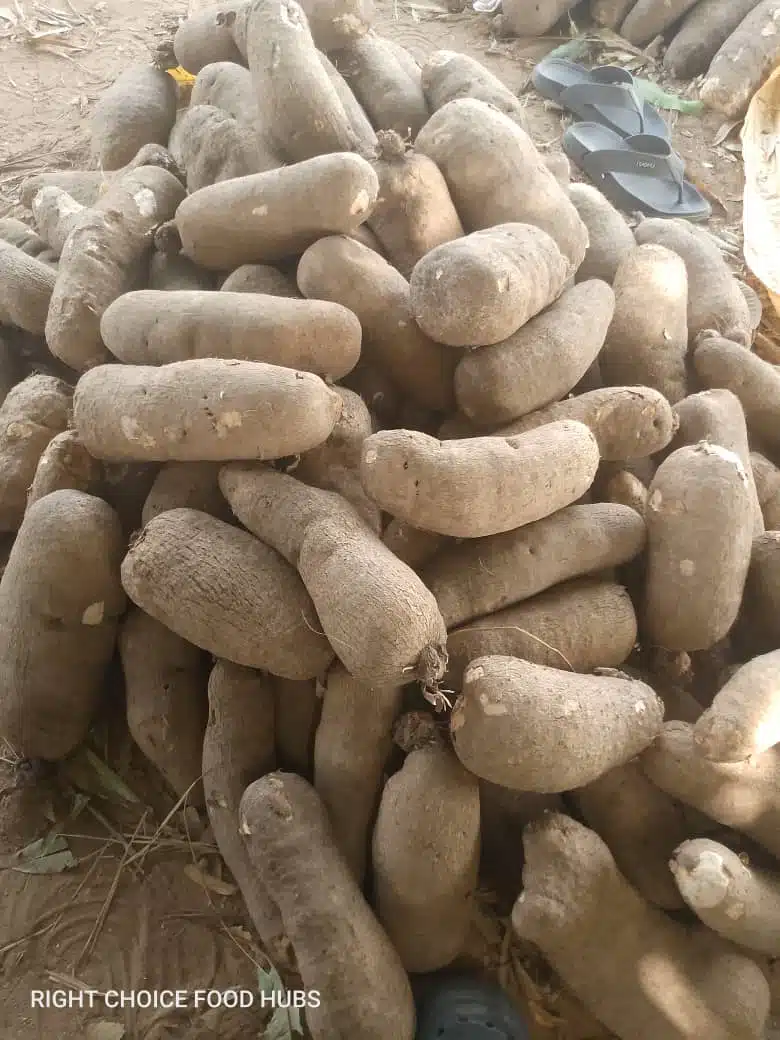
Product on sale
Premium Farm-Fresh Yam (100 Tubers)
Original price was: $74.50.$72.41Current price is: $72.41.
Get farm-fresh, top-quality yams straight to your kitchen! Premium Farm-Fresh Yam (100 Tubers) from ST SeafoodStuff & More delivers unbeatable freshness, perfect for meals, traditional dishes, or commercial use.
$ USD
Post-Harvest Handling and Processing Standards
The importance of post-harvest handling and processing cannot be overstated in the realm of international agro-product imports. Proper handling and processing are critical in maintaining product quality, influencing both market value and food safety. Establishing robust standards during these phases is crucial to minimize losses and enhance the overall quality of the products destined for global markets.
Cleaning and sorting are imperative steps in post-harvest processing. Cleaning removes foreign materials, soil, and damaged products, ensuring only the best quality agro-products proceed to the next stages. Sorting further categorizes products based on size, color, and ripeness, allowing suppliers to meet specific quality requirements set by international standards. Efficient cleaning methods, such as air washes or water-based systems, can effectively remove contaminants while preserving product integrity.
Various drying methods also play a significant role. Proper drying not only affects the aesthetic appeal of agro-products but is also essential for preventing microbial growth and spoilage. Techniques like solar drying, mechanical drying, or even freeze drying should be conducted with strict adherence to guidelines that ensure moisture control. Maintaining the appropriate moisture content is vital to prolonging shelf life and preventing issues like mold formation.
Moreover, implementing strategies for preventing contamination during handling and processing is paramount. Strategies may include staff training on hygiene practices, regular equipment sanitization, and pest management. Additionally, monitoring environmental factors, such as temperature and humidity, can further prevent contamination risks. Together, these practices create a sound framework for post-harvest handling and processing that aligns with international standards, ultimately ensuring product safety and quality throughout the supply chain.
50kg Ijebu Garri – High Quality (22 Paints Inside)
$35.45
50kg high-quality Ijebu Garri (22 paints inside). Crispy, sour, perfect for drinking or making eba. Order from Tilewa Food Best.
$ USD
Quality Inspection and Certification
Quality inspection and certification play a crucial role in the supply chain of international agro-product imports. The processes involved are designed to ensure that all products meet regulatory standards and consumer safety expectations. To begin with, quality inspection encompasses a series of systematic procedures carried out before, during, and after the production of agricultural products. This methodical approach helps in identifying any potential quality issues and facilitates early corrective measures.
One essential aspect of quality control is laboratory testing. Samples of agro-products are taken and analyzed in certified laboratories to detect the presence of contaminants, pesticide residues, and other harmful substances. This testing not only ensures compliance with local and international safety regulations but also verifies the quality claims made by producers. Reliable lab testing is imperative for maintaining high standards and building trust among consumers.
Furthermore, various certifications contribute greatly to the credibility of agro-products. Some key certifications include ISO (International Organization for Standardization), HACCP (Hazard Analysis and Critical Control Points), and organic certifications. ISO ensures that organizations adhere to specific quality management principles, while HACCP focuses on identifying and mitigating risks in food safety. Organic certifications confirm that products are produced without synthetic fertilizers or pesticides, thereby appealing to health-conscious consumers. Each certification signifies a commitment to quality and safety, which can influence purchasing decisions on a global scale.
The role of third-party inspection agencies is pivotal in maintaining these standards. These independent entities verify compliance with industry regulations and certifications through unannounced inspections and audits. The involvement of such agencies not only enhances the integrity of the certification process but also provides an additional layer of assurance to consumers. By ensuring rigorous quality inspection and certification, the agro-product industry can uphold its commitment to delivering safe and high-quality products to markets worldwide.
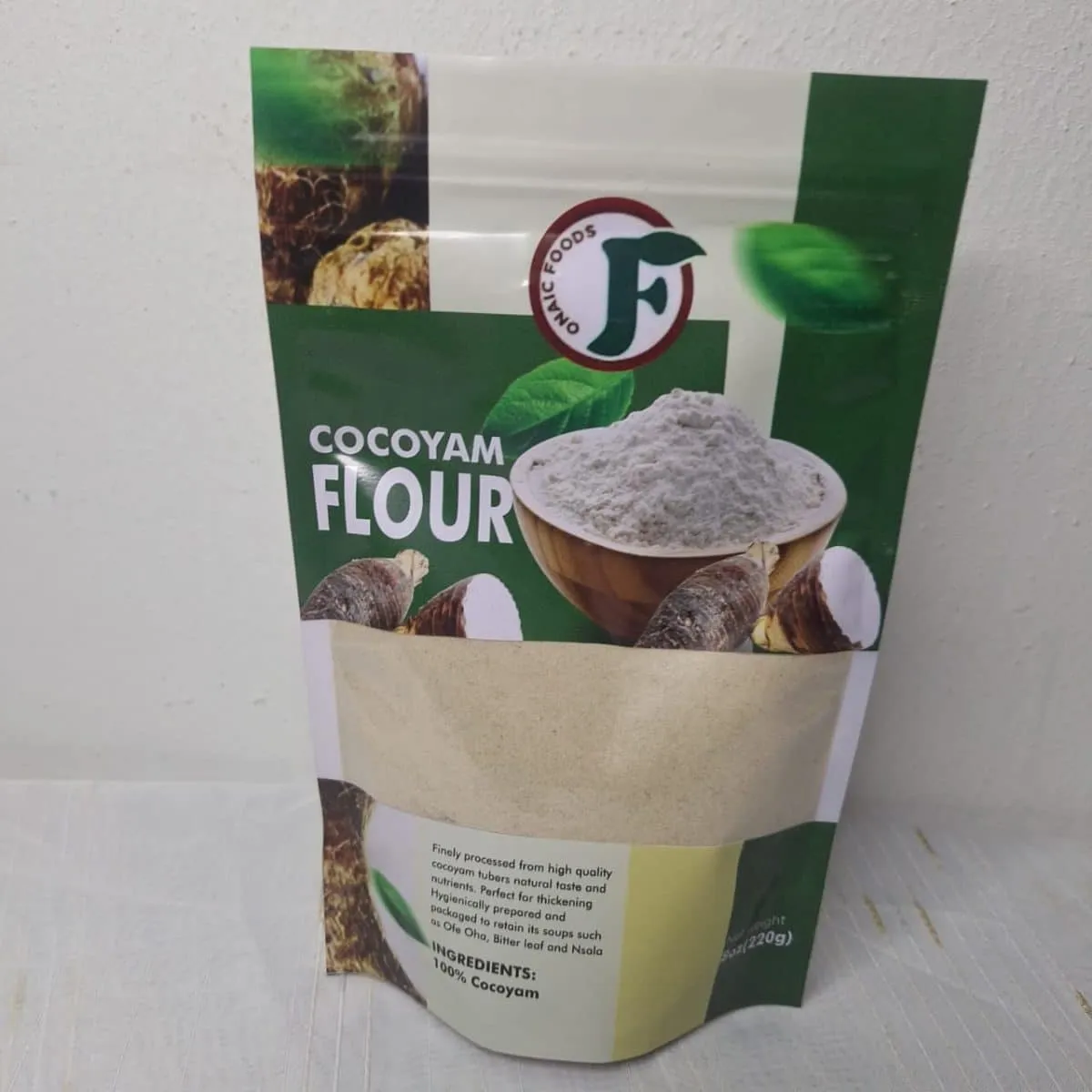
Onaicfood Pure Cocoyam Flour (8oz)
$2.58
Onaicfood Pure Cocoyam Flour (8oz) is a natural, gluten-free flour made from finely ground cocoyam tubers. Perfect for soups, swallow, and healthy cooking.
$ USD
Packaging and Storage Best Practices
Ensuring the quality of agro products during transit and storage is paramount for maintaining their integrity and extending their shelf life. Packaging plays a critical role in this process, and it is essential to select appropriate materials that not only protect the products from physical damage but also safeguard them from environmental factors such as moisture, air, and pests. For instance, biodegradable packaging options can be a sustainable choice, while airtight containers help in preserving freshness.
Humidity control is another significant aspect of agro product storage. Products such as fruits and vegetables require specific humidity levels to prevent wilting or spoilage. Employing moisture-absorbing materials within packaging can help in regulating humidity. Furthermore, monitoring temperature is crucial, particularly for perishable items. Understanding the ideal temperature range for each type of agro product can reduce the risk of degradation and maintain quality.
When considering storage practices, it is essential to implement first-in, first-out (FIFO) systems to minimize the risk of older stock being left in storage too long, as this can affect product quality. Additionally, the placement of items within storage facilities plays a vital role, with sensitive or perishable goods ideally stored closer to climate control systems to ensure optimal conditions.
Lastly, awareness of the shelf life of various agro products can inform packaging choices and storage duration. Regularly conducting quality checks can not only preemptively address spoilage but also enhance tracking and management processes. By taking these proactive measures in packaging and storage, stakeholders can significantly elevate the quality assurance processes for agro product imports, ensuring that consumers receive only the best products available in the market.
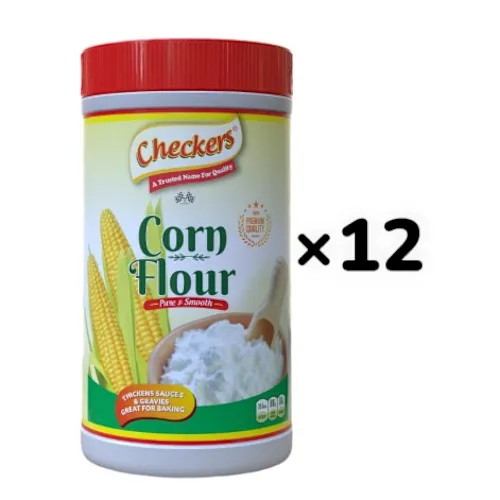
Product on sale
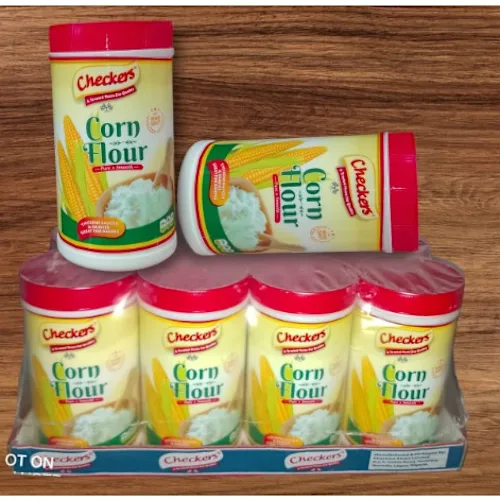
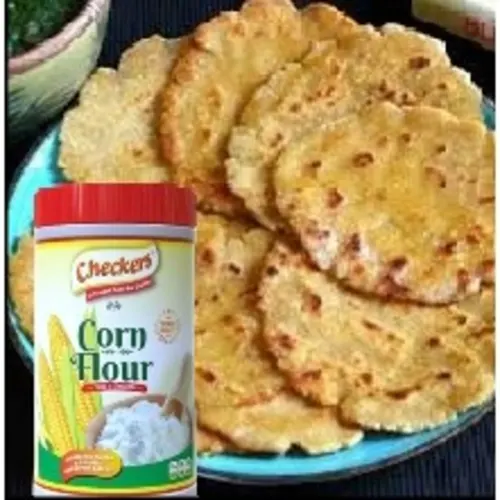
Checkers Corn Flour— 400gjar × 12pieces
Original price was: $22.00.$19.20Current price is: $19.20.
Checkers Corn Flour – 400g Jar × 12 Pieces is a premium-quality, gluten-free corn flour made from 100% pure corn. Finely milled for a smooth, consistent texture, it’s ideal for thickening sauces, gravies, and soups, as well as for baking and frying. Each 400g jar is sealed to preserve freshness, making this 12-pack bundle perfect for both home cooks and professional kitchens.
$ USD
Logistics and Shipping Quality Control
Quality control during the logistics and shipping phases of agro-product imports is crucial for preserving the integrity and safety of the products. One fundamental practice in this regard is container inspection. Prior to loading, containers must undergo meticulous examinations to ensure they are clean, dry, and free from pests and diseases that could compromise the agricultural products during transit. The state of the container can significantly affect the shipment’s quality, making consistent inspection a non-negotiable part of the logistics process.
Maintaining suitable shipping conditions is another vital aspect of ensuring product quality. Agro-products often require specific temperature and humidity levels to remain fresh and retain their nutritional value. Therefore, temperature-controlled shipping methods, such as refrigerated containers, are employed for perishable goods. Continuous monitoring systems can be installed within containers to track environmental conditions throughout the journey, alerting stakeholders in real-time should any deviations occur. By adhering to these shipping conditions, companies can effectively safeguard their products from spoilage or degradation.
Furthermore, thorough documentation is an integral component of logistical quality control. Essential documents such as bills of lading and phytosanitary certificates are critical for compliance with international shipping regulations. The bill of lading serves as a receipt and a contract between the shipper and the carrier, while the phytosanitary certificate verifies that the products meet the health and safety requirements of the importing country. These documents not only facilitate smooth customs clearance but also play a pivotal role in tracking and tracing the shipment, providing assurance to stakeholders regarding the quality and safety of the agro-products being imported.
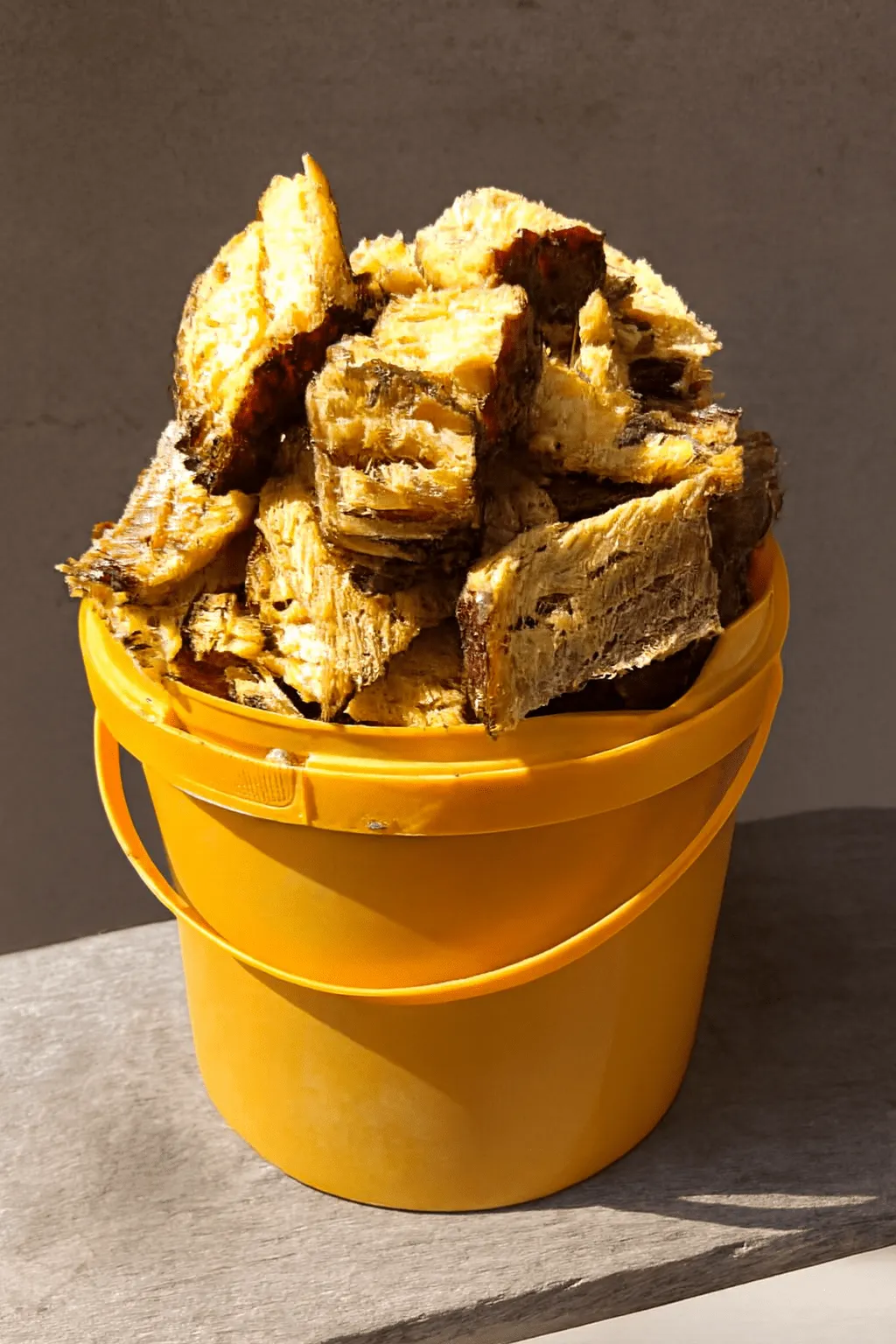
“Mangala Fish
$42.66
“Mangala Fish – a smoky, flavorful Nigerian delicacy, carefully smoked to preserve freshness and enhance taste, perfect for soups and stews.”
$ USD
Common Challenges in Quality Control
Quality control in agro-product exports presents numerous challenges that can significantly impact the integrity of the products and the efficiency of the supply chain. One of the primary issues is supplier inconsistency. In many cases, suppliers may not maintain the same quality standards over time, leading to variations in product quality. This inconsistency can arise from inadequate training, lack of proper resources, or differing farming practices among suppliers. Businesses must implement rigorous checks to ensure that suppliers adhere to the established quality benchmarks.
Another significant challenge is the lack of transparency throughout the supply chain. With many stakeholders involved in the process—from farmers to distributors—ensuring clarity regarding product handling and storage can be complex. A lack of transparency can lead to misunderstandings or mismanagement, resulting in inadequate quality control measures being enforced. Consequently, it becomes essential for importing companies to establish good relationships with suppliers and insist on clear documentation and traceability of products.
Logistics delays also pose a severe challenge. Agricultural products are perishable, and any delays in transportation can lead to spoilage or degradation of quality. Factors such as customs processes, unexpected weather conditions, and transportation issues can contribute to these delays. Timely delivery is crucial, and companies must develop robust logistics strategies to minimize disruptions, which can include alternative routing options and reliable partnerships with logistics providers.
Moreover, instances of fraud and misrepresentation are pervasive in international trade, particularly in the agro-sector. Suppliers may mislabel products or falsely claim adherence to quality standards to improve marketability. Implementing strict verification protocols and regular audits can help detect and prevent these issues, ensuring that only high-quality products reach the market.
Product on sale
Clean Crayfish – 1 Custard
Original price was: $6.38.$6.30Current price is: $6.30.
Well-cleaned, dry crayfish with no sand or stones. Fresh, aromatic, and ideal for everyday cooking.
$ USD
How to Verify Reliable Suppliers
Finding reliable suppliers in the agro-product sector is crucial for ensuring the quality of the goods that are imported internationally. One effective strategy to verify suppliers is to conduct thorough background checks. This process includes reviewing the company’s history, checking financial stability, and identifying any previous issues with product quality or delivery delays. Utilizing online databases and business registries can provide insight into the suppliers’ reputation in the industry.
Another practical approach is to request sample products directly from prospective suppliers. This not only allows importers to assess the quality of the product, but it also serves as a key indicator of the supplier’s reliability. Quality samples can highlight the supplier’s adherence to standards, and any discrepancies can raise red flags about future shipments.
Factory visits can also be beneficial in verifying a supplier’s reliability. By inspecting the production facilities, importers can gain first-hand insight into the manufacturing processes, quality control measures, and overall operational standards of the supplier. On-site evaluations foster transparency and build trust, which is essential in any supplier relationship. If possible, collaborating with third-party inspectors to conduct these visits can provide a neutral assessment of supplier capabilities.
Furthermore, digital marketplaces offer a modern avenue for finding and verifying suppliers. Platforms that specialize in agro-products typically have robust verification processes in place, including reviews from previous buyers and trade assurances. Utilizing these platforms allows importers to connect with vetted suppliers and compare offerings globally, streamlining the selection process while ensuring quality and reliability.

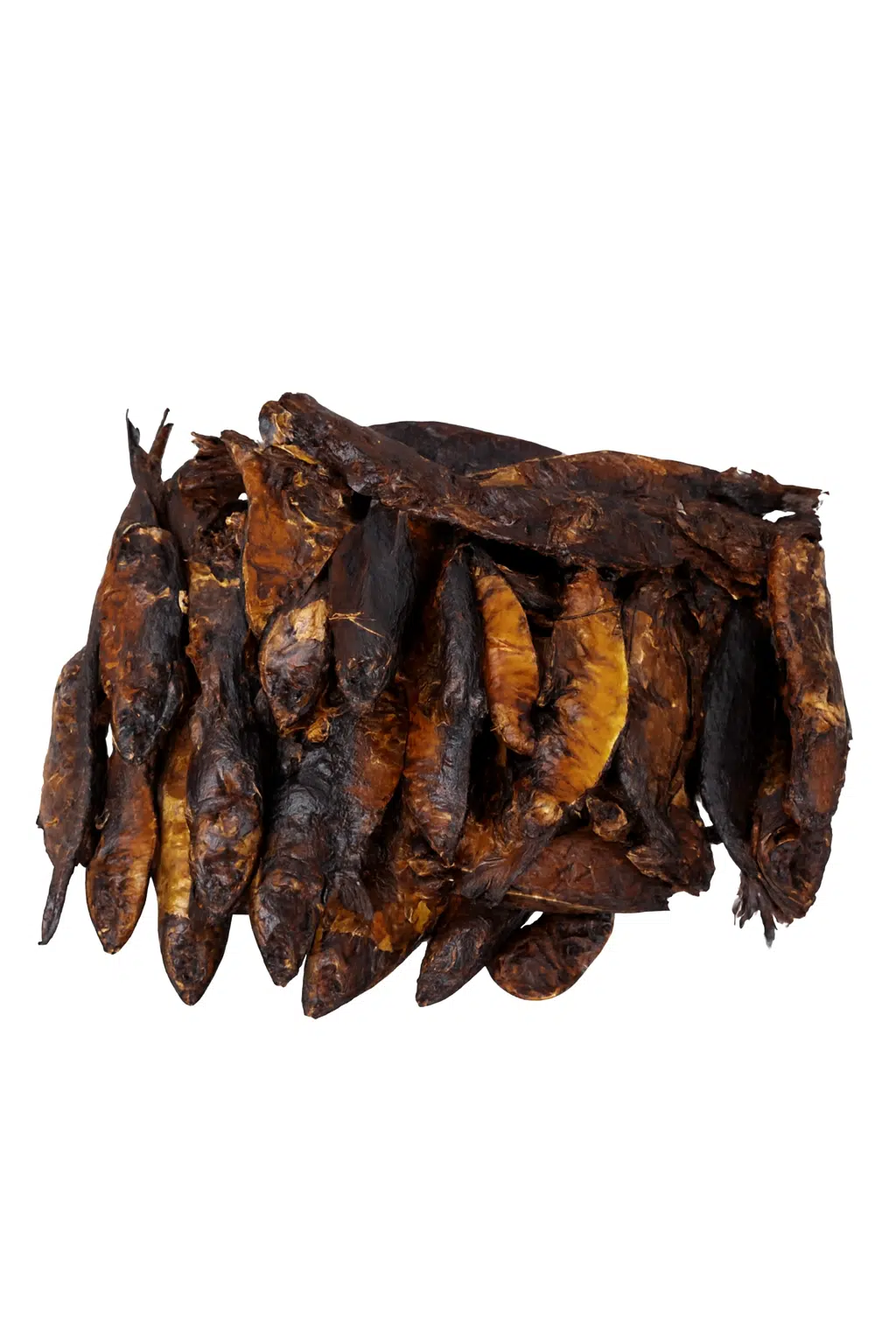
Fresh Mangala Fish – Premium Quality for Delicious Meals
$33.08
Discover the exquisite taste and nutritional benefits of our fresh Mangala Fish. Sourced responsibly and delivered with care, this premium fish is perfect for a variety of culinary creations, from grilling and frying to curries and stews. Known for its firm texture and mild, sweet flavor, Mangala Fish is a versatile ingredient that elevates any meal. Rich in Omega-3 fatty acids, protein, and essential vitamins, it’s a healthy choice for the whole family. Our Mangala Fish is carefully inspected to ensure the highest quality and freshness, making it an ideal option for health-conscious foodies and professional chefs alike. Enhance your cooking with this delightful and nutritious seafood option.
$ USD
Role of Digital Marketplaces
Digital marketplaces have fundamentally reshaped the landscape of international agro-product imports by creating accessible platforms that enhance the quality control processes. One notable example is Comilmart, which connects buyers with verified vendors, thus facilitating a reliable purchasing environment. By engaging with vendors that undergo a rigorous verification process, importers can ensure that they source high-quality products, minimizing the risks associated with substandard goods.
The growing utilization of digital marketplaces like Comilmart offers several advantages that contribute to improved quality control. Firstly, these platforms often feature comprehensive product listings that include detailed information about the agro-products, such as origin, certifications, and compliance with international quality standards. This level of transparency allows buyers to make informed decisions when selecting vendors and products.
Furthermore, digital marketplaces facilitate secure transactions through integrated payment systems, which protect both buyers and sellers. This financial security encourages vendors to maintain higher quality standards, as their reputations depend on customer satisfaction and the retention of trust in their products. Additionally, the presence of buyer reviews and ratings on these platforms fosters accountability amongst suppliers, ensuring that only those who consistently deliver quality offerings remain competitive.
Moreover, the ability to readily access various suppliers reinforces market competition, which often leads to improvements in product quality and pricing strategies. As traders utilize these platforms to expand their reach, they also adopt best practices in quality management, ensuring that the standards of their offerings are aligned with those expected in international markets. Consequently, digital marketplaces like Comilmart are pivotal in enhancing transparency in sourcing, driving quality improvements in agro-products globally.
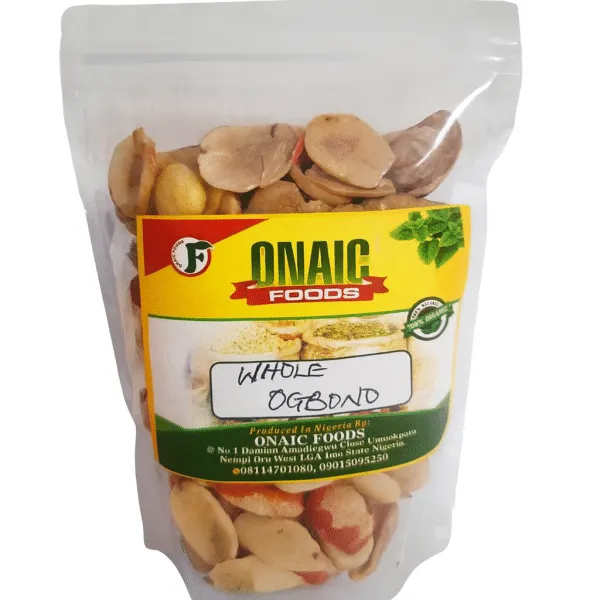
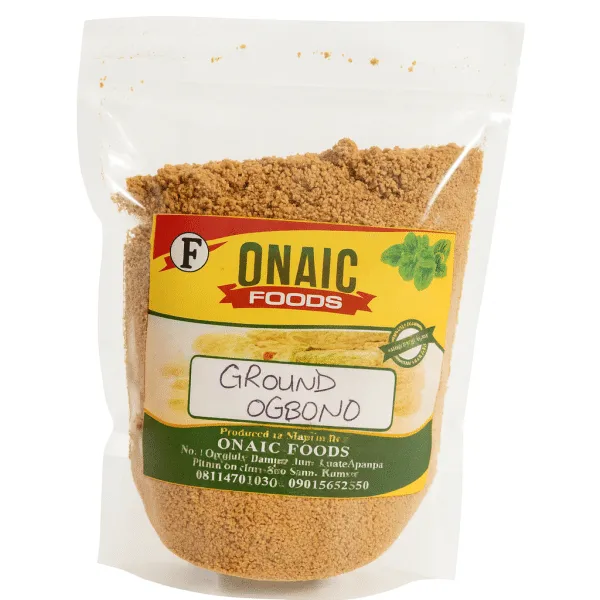
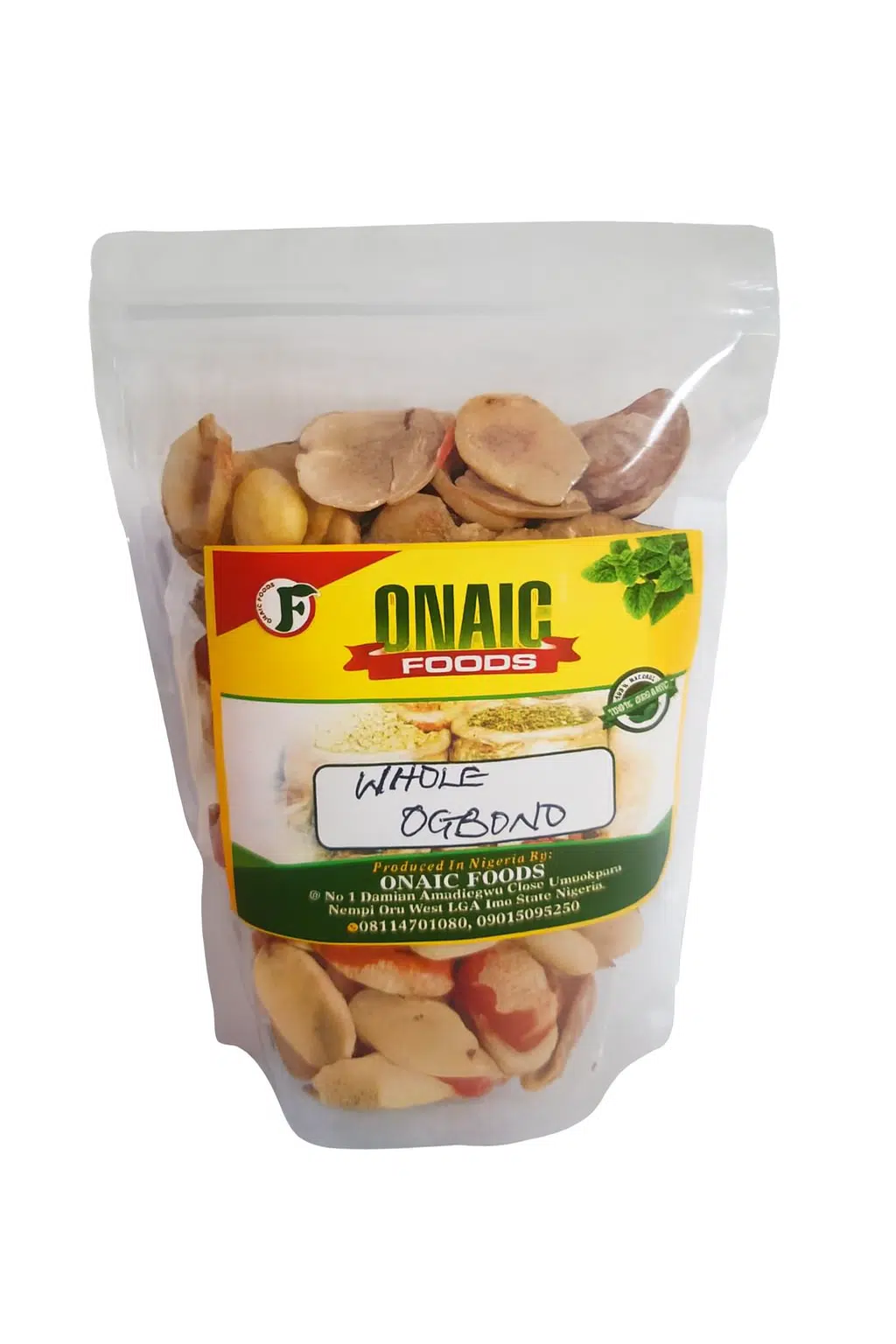
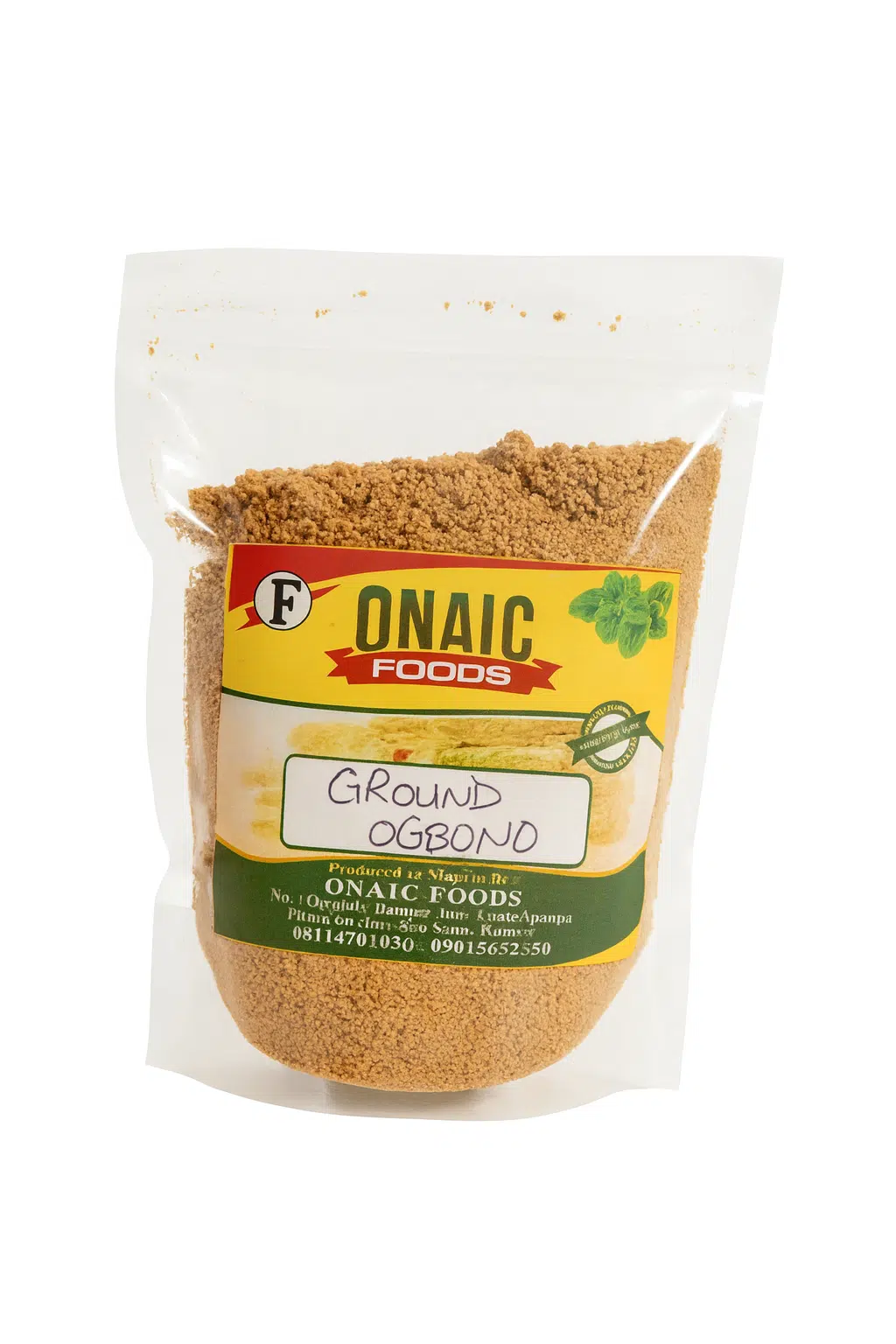
Onaicfood – Whole Ogbono
$6.63
Onaicfood Whole Ogbono is a premium pack of African wild mango seeds, carefully processed to deliver authentic flavor and natural thickening power for Nigerian soups. Hygienically packaged in transparent pouches, it’s perfect for Ogbono soup, okra blends, and other traditional delicacies.
$ USD
Step-by-Step Quality Control Checklist for Buyers
For buyers looking to ensure the quality of agro-products during the sourcing process, implementing a detailed quality control checklist is essential. Below are key steps that should be followed at each stage of the quality assurance process.
1. Supplier Evaluation: Start by assessing potential suppliers. Verify their certifications (such as GMP, HACCP) and reputation in the market. Conduct background checks and seek references to gauge reliability.
2. Pre-Production Samples: Request samples of the products you intend to purchase. It allows firsthand evaluation of quality, taste, and appearance before committing to bulk orders.
3. On-Site Inspection: If feasible, conduct a visit to the supplier’s facilities. Evaluate their production processes, hygiene standards, and storage conditions, ensuring compliance with your quality expectations.
4. Quality Assurance Documentation: Ensure that suppliers provide all necessary quality assurance documents. This includes testing results, batch records, and previous inspection reports to confirm adherence to standards.
5. Third-Party Testing: Arrange for third-party testing of agro-products, especially for high-risk items. This verifies the quality and safety of the products through unbiased assessment.
6. Packaging Inspection: Before shipping, inspect the packaging to ensure it meets quality standards. Proper packaging protects against damage and contamination during transportation.
7. Transport and Logistics Check: Monitor the conditions during transport. Ensure that vehicles used for shipping maintain proper temperature and humidity to preserve product quality.
8. Final Receiving Inspection: Upon receipt, conduct a thorough inspection of the products. Check for discrepancies in quantity, quality, and documentation. Handle any issues immediately to resolve potential disputes.
9. Feedback Loop: Establish a feedback mechanism with suppliers. This encourages communication to resolve any quality concerns and enhances future transactions.
By adhering to this comprehensive checklist, buyers can significantly minimize the risk of receiving substandard agro-products, ensuring a satisfactory experience in the global sourcing landscape.
Product on sale
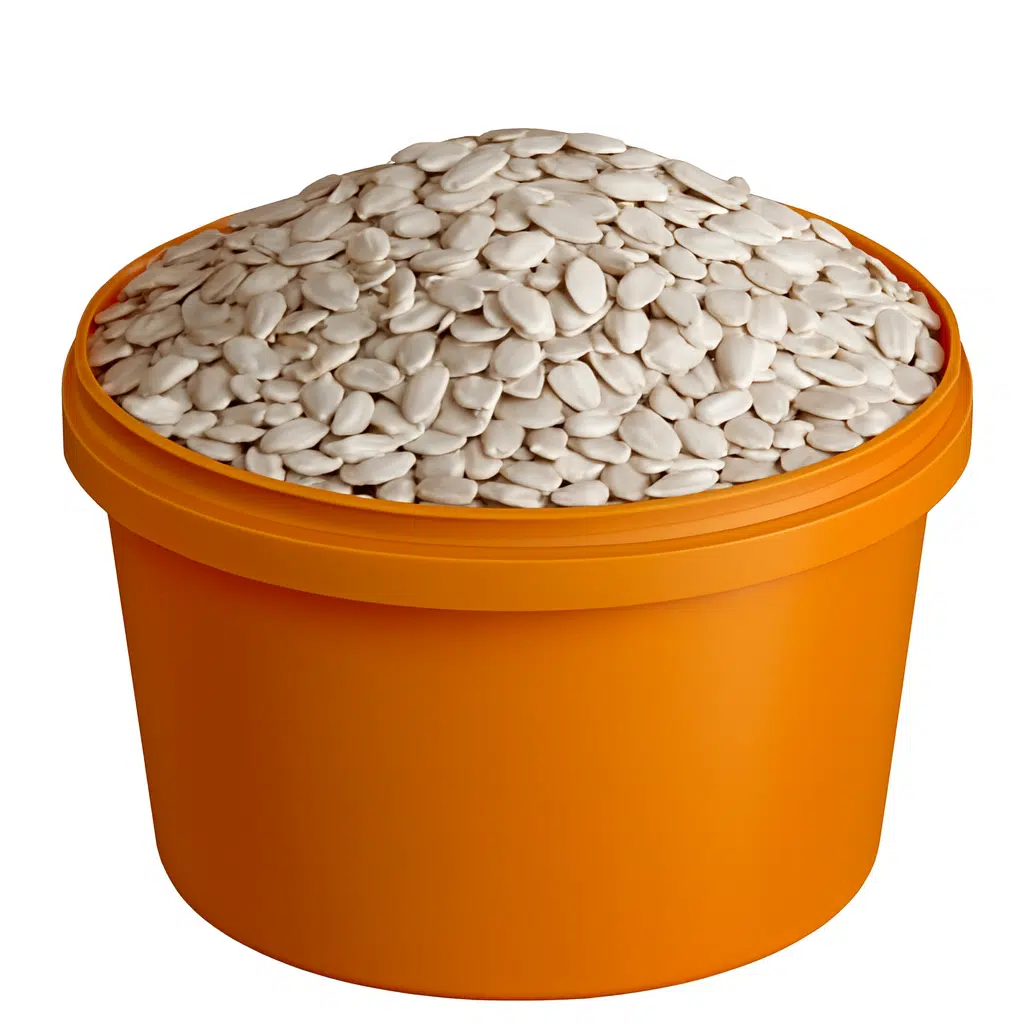
Premium Egusi (Melon Seeds) – Per Custard
Original price was: $9.50.$9.10Current price is: $9.10.
Premium quality egusi (melon seeds), well cleaned, dry, and stone-free. Ideal for preparing rich and tasty soups.
$ USD
Future Trends in Agro Quality Control (2026)
The agro-industry is on the brink of a transformative evolution aimed at enhancing quality control measures throughout the supply chain. As we look ahead to 2026, anticipated advancements in technology such as Artificial Intelligence (AI) and blockchain will play pivotal roles in revolutionizing agro quality control practices. These innovations promise not only to increase efficiency but also to improve traceability and transparency from soil to shipment.
AI has already begun to influence various facets of agricultural practices, and its impact on quality control is expected to grow significantly. For instance, AI algorithms can analyze vast amounts of data collected from sensor networks embedded in agriculture systems, detecting anomalies that may indicate quality issues at an early stage. Enhanced predictive analytics will enable producers to identify potential risks in crop quality, thereby implementing corrective measures proactively. Such technologies will contribute to a more robust quality assurance framework, ultimately benefiting consumers with superior agro-products.
In tandem with AI, blockchain technology is set to transform how agro products are tracked and verified. By providing a decentralized and immutable ledger, blockchain can ensure each step of the supply chain is documented and traceable. This capability enhances transparency and builds consumer trust, allowing buyers to verify the origins and quality of the products they purchase. Additionally, the implementation of digital verification systems will simplify compliance with evolving international agriculture standards, which increasingly emphasize sustainability and ethical practices.
As sustainability continues to be a focal point for consumers and regulatory bodies alike, evolving standards will demand that quality control measures adapt accordingly. In this context, agro companies will need to align their quality control protocols with these emerging environmental and ethical standards to maintain competitiveness in an increasingly scrutinous marketplace.
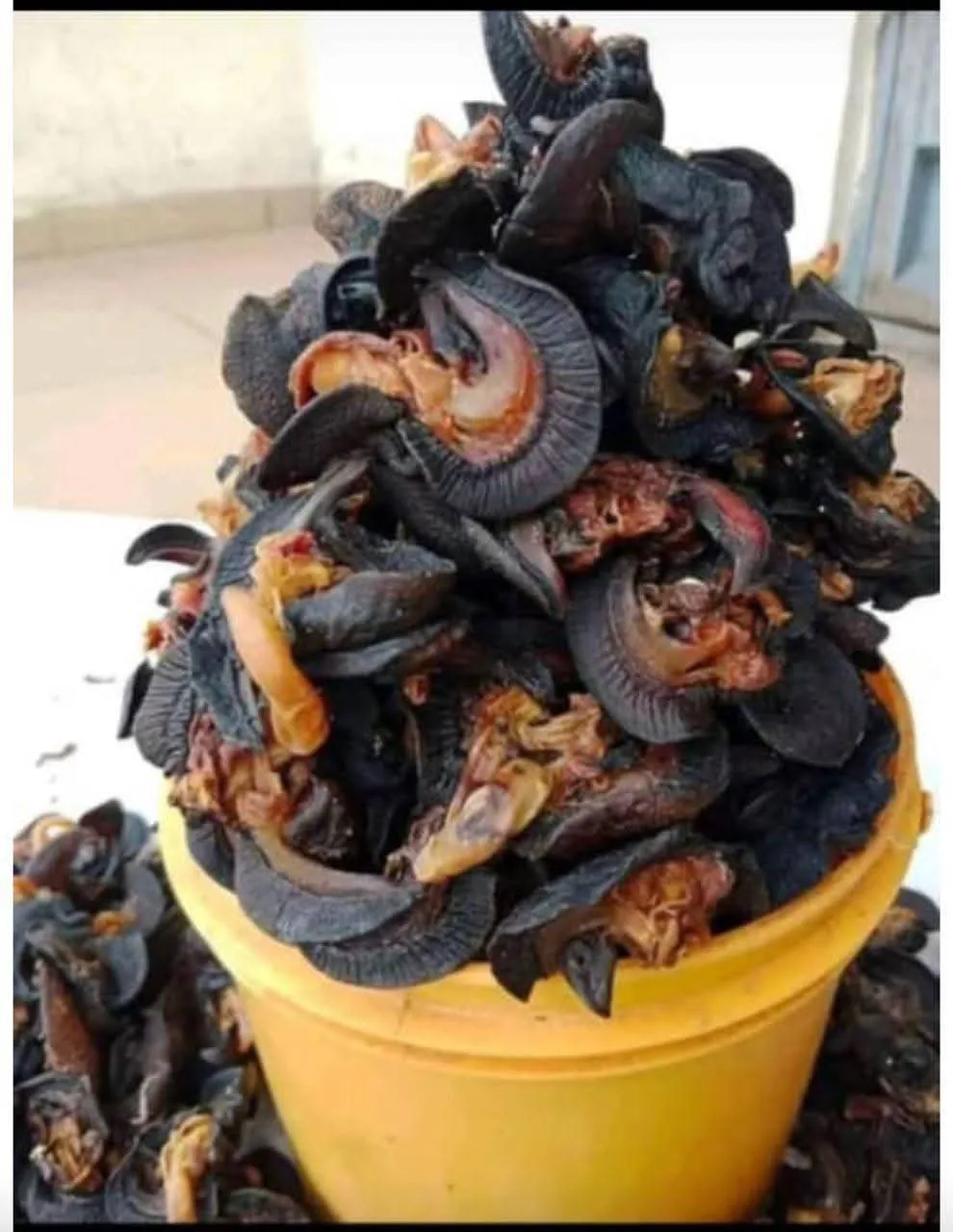
“Mix Sizes – 100 pieces
$126.00
“Mix Sizes – 100 pieces in assorted dimensions, offering variety and convenience for multiple uses.”
$ USD
Frequently Asked Questions (FAQ) about Quality Control in Agro-Product Imports
1. What is quality control in agro-product imports?
Quality control in the context of agro-product imports refers to the systematic processes and procedures implemented to ensure that agricultural products meet the established standards for safety, quality, and compliance with regulations during the importation process. This typically involves testing, inspection, and certification of products before they reach their destination.
2. Why is quality control important for international agro-product imports?
Quality control is crucial for international agro-product imports as it helps maintain the integrity of the food supply chain, protects consumer health, and prevents the introduction of pests and diseases. Effective quality control measures also ensure compliance with international regulations and standards, thereby facilitating smoother trade operations.
3. What role do certifications play in agro-product imports?
Certifications such as GlobalGAP, USDA Organic, or ISO certifications serve as benchmarks that signify a product has been produced following certain quality management practices. These certifications provide assurance to importers and consumers regarding the product’s quality, safety, and adherence to environmental standards, enhancing trust and marketability.
4. How are agro-products tested for quality before shipment?
Agro-products undergo various testing methods, including sensory evaluation, chemical analysis, and microbiological testing, to assess their quality. These tests are designed to identify any contaminants, check for pesticide residues, and evaluate overall product freshness. The results determine whether products meet the import standards of the destination country.
5. What happens if agro-products fail quality control checks?
If agro-products fail quality control inspections, they may be rejected and cannot proceed through customs. The involved parties must typically address the issues identified, which may involve recalls, corrective actions, or product modifications. In some cases, non-compliance can lead to penalties, affecting the reputations of producers and importers alike.
6. How can importers ensure they are sourcing quality agro-products?
Importers can ensure they are sourcing quality agro-products by collaborating with reputable suppliers who adhere to strict quality standards, requesting certifications, and conducting their own quality audits. Establishing long-term relationships with certified producers can facilitate transparency and consistency in product quality.
7. What are the costs associated with quality control for agro-product imports?
The costs associated with quality control can vary significantly depending on the type of products, testing requirements, and certification processes involved. These costs, while potentially substantial, are considered an essential investment to safeguard reputation, ensure compliance, and maintain product quality in international markets.
Product on sale
Premium Farm-Fresh Yam (100 Tubers)
Original price was: $74.50.$72.41Current price is: $72.41.
Get farm-fresh, top-quality yams straight to your kitchen! Premium Farm-Fresh Yam (100 Tubers) from ST SeafoodStuff & More delivers unbeatable freshness, perfect for meals, traditional dishes, or commercial use.
$ USD
Conclusion
In the realm of international agro-product imports, the significance of maintaining rigorous quality control cannot be overstated. As global trade expands, establishing strict quality standards ensures not only the safety and health of consumers but also the preservation of the importing country’s agricultural integrity. Quality control mechanisms must be embedded at every stage, from soil preparation to the final shipment, to mitigate risks associated with contaminated or substandard goods.
Moreover, effective quality control practices contribute substantially to building trust between producers and consumers. Buyers increasingly seek assurance that the agro-products they import meet the highest standards of quality. Consistent adherence to regulatory requirements and proactive quality assurance processes can bolster a supplier’s reputation on a global scale. This aligns closely with the need for transparency in sourcing practices, wherein detailed documentation and traceability can help distinguish quality products from those that may not meet established criteria.
Engaging with established platforms such as Comilmart can streamline sourcing efforts for high-quality agro-products. These trusted networks not only provide reliable access to vetted suppliers but also assist in navigating complex regulatory environments that come with international trade. By collaborating with such platforms, stakeholders can enhance their quality control measures, ensuring that they meet both market demands and consumer expectations.
Ultimately, the emphasis on quality control is paramount to foster a reliable supply chain and sustain the trust of end consumers. As the landscape of agro-product imports continues to evolve, prioritizing these practices will prove critical for long-term success and sustainability in the sector.