

















Introduction: The Potential of African Agro Exports
African agro exports present an unprecedented opportunity for farmers and vendors to tap into the global market, enriching not only their local economies but also contributing significantly to the continent’s overall development. The agricultural sector in Africa is diverse, offering a wide range of premium products, from exotic fruits and vegetables to unique herbs and spices. These agricultural products possess both quality and unique characteristics that attract international buyers seeking authentic and high-quality items.
Click here to start selling on Comilmart
The increasing global demand for premium quality agricultural goods marks a significant trend in international trade. Countries around the world are constantly searching for suppliers who can provide not only abundance but also superior quality. African farmers, with their rich agricultural heritage and practices, stand to benefit immensely from this growing demand. Such commodities range from organic produce to ethically sourced products, which are well received in global markets concerned with sustainability and quality.
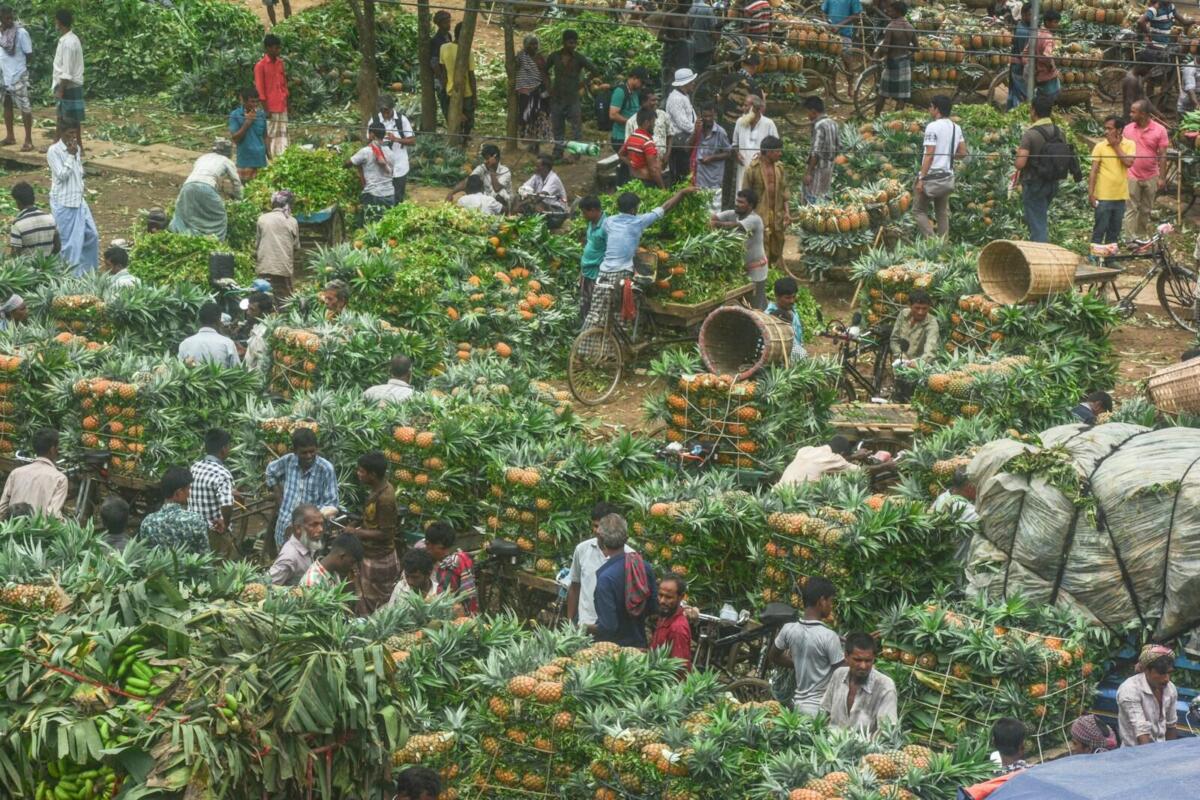
Moreover, advancements in logistics and trade regulations have made it easier than ever for African agro exporters to connect with buyers around the globe. This ensures that farmers can reach markets they were previously unable to access, thus expanding their reach and potential sales. In addition, the establishment of trade treaties and partnerships can enhance these opportunities, providing farmers and vendors with platforms to showcase their offerings effectively.
It is vital for stakeholders in the agricultural sector to understand the global market dynamics and the quality standards that international buyers expect. By tapping into the unique offerings of African agriculture, combined with the right strategies and market insights, farmers and vendors can significantly enhance their exports, driving growth and prosperity for themselves and their communities.
Understanding Global Demand for African Agro Products
The international market has seen a remarkable shift in the past decade, with a pronounced increase in the demand for African agro products. Goods such as ginger, sesame, cocoa, cashew, various spices, and hibiscus are becoming increasingly popular due to their unique qualities and nutritional benefits. The potential for these products to penetrate global markets is immense, driven by both health-conscious consumers and a growing appreciation for the distinct flavors these items offer.
One of the most significant trends is the rising popularity of ginger, which is renowned for its medicinal properties and culinary versatility. This root vegetable is not only sought after for its flavor but also for its anti-inflammatory effects, making it a favorite among health enthusiasts worldwide. Similarly, sesame seeds, known for their rich oil content and nutritional value, have garnered attention in global markets where they are used in cooking and nutrition.
Cocoa, fundamental in producing chocolate, has also seen a surge in demand, particularly as consumers become more inclined toward ethically sourced ingredients. African cocoa, often considered superior due to its flavor profile, is increasingly favored by chocolatiers globally. Moreover, cashews are gaining traction due to their nutty taste and health benefits, fueling their usage in snacking and culinary applications.
Spices, native to Africa, add not only flavor but also health advantages, ranging from antioxidant properties to potential benefits in digestion. The hibiscus flower is another product witnessing an uptrend, preferred for its vibrant color and refreshing taste in beverages. Its nutritional properties are also a compelling selling point.
Thus, understanding the global demand for these African agro products is crucial for farmers and vendors. By aligning their production with these international trends, they can effectively enhance their export strategies and contribute to the growth of Africa’s presence in global markets.

“Mangala Fish
$42.66
“Mangala Fish – a smoky, flavorful Nigerian delicacy, carefully smoked to preserve freshness and enhance taste, perfect for soups and stews.”
$ USD
The Importance of Premium Quality in Export Markets
In the competitive landscape of global agro exports, the significance of premium quality cannot be overstated. Premium quality agricultural products are defined by their superior taste, enhanced nutritional value, and sustainable production practices. These attributes not only appeal to discerning consumers but also play a vital role in establishing a strong brand identity for farmers and vendors in international markets.
Taste, as a primary factor, influences consumer preference and distinguishes premium products. For instance, fruits and vegetables cultivated under optimal conditions often exhibit an extraordinary flavor that regular commodity-grade products cannot replicate. This distinct taste becomes a pivotal selling point in markets where food quality is paramount, particularly amongst gourmet shoppers and health-conscious consumers.
Nutritional value is another crucial aspect of premium agro exports. With a growing trend towards healthier eating habits, products rich in essential vitamins and minerals are increasingly sought after. Export markets favor those agricultural offerings that can effectively convey health benefits, thus enabling suppliers to position their produce as superior alternatives. This focus on nutrition not only enhances marketability but can also allow producers to command higher prices for their goods.
Sustainability has also risen in prominence, as consumers are now more informed about the environmental impacts of their purchases. Agricultural products that are grown using sustainable practices resonate well with eco-conscious buyers, creating a premium niche within the market. By prioritizing environmentally-friendly methods, farmers and vendors not only contribute to the health of the planet but also attract a growing base of international customers who value sustainability.
Finally, branding becomes crucial for communicating the quality and values associated with premium products. Strong branding enables farmers and vendors to differentiate their offerings, build customer loyalty, and ultimately increase their market share. Premium quality products that are effectively branded can thrive in export markets, where first impressions are often irreversible.
Common Challenges in the Agricultural Export Business
The agricultural export business in Africa presents a unique set of challenges that can hinder the potential for farmers and vendors to reach global markets. One of the foremost difficulties faced is compliance with international quality standards. Different countries have distinct regulations regarding food safety, pesticide residue levels, and overall product quality. This can be particularly challenging for small-scale farmers who may lack the resources or equipment necessary to meet these stringent requirements. Failure to meet such standards can result in rejected shipments, which can be financially detrimental.
Packaging requirements further complicate the export process. Proper packaging is crucial not only for preserving the quality of the agricultural products but also for branding and marketing. Inadequate packaging can lead to damage during transit, adversely affecting the product’s marketability. Exporters must invest in suitable packaging solutions that comply with international guidelines, which may require expertise and additional financial outlay.
Certification processes pose another significant hurdle. Many international markets require specific certifications, such as organic, fair trade, or sustainability certifications. Obtaining these certifications can be time-consuming and often involves substantial costs, which can deter local farmers from pursuing export opportunities. Additionally, navigating the logistical aspects of exporting products can be daunting for many vendors. From transportation arrangements to customs clearance, the intricacies of logistics can significantly affect timelines and overall profitability. Often, exporters find it difficult to identify reliable logistics partners who understand the agricultural sector.
Lastly, finding buyers in the global market presents its own set of challenges. Many African farmers and agro vendors lack access to international trade networks and marketing channels, making it difficult to establish relationships with potential buyers. This lack of visibility further limits their ability to export products effectively. In conclusion, while the agricultural export business holds vast potential for African farmers and vendors, overcoming these common challenges is essential for success in reaching and sustaining a position in global markets.

Comilmart vs Other African Marketplaces
African e-commerce is booming, with platforms like Jumia, K…

How to Manage Diabetes Naturally in Africa: Diet, Lifestyle & Affordable Remedies
Diabetes is one of the fastest-growing chronic illnesses in Africa, affecting millions of people in countries like Nigeria, K…

The Role of Comilmart, a Multivendor E-Commerce Company, in Supporting Nigerian Entrepreneurs
In today’s fast-paced digital world, e-commerce has become a vital tool for businesses to thrive, especially in Nigeria, where entrepreneurship is a cornerstone of economic growth. Comilmart, a multivendor e-commerce company, has emerged as a transformative platform that empowers Nigerian entrepreneurs by bridging gaps, offering resources, and driving innovation in the business landscape.
Step-by-Step Guide to Starting Your Export Venture
Starting an export venture in the agriculture sector requires thorough planning and a clear understanding of the global market landscape. The first step is conducting comprehensive market research. Identify potential markets for your agricultural products by analyzing demand, pricing trends, and the competition within those regions. Understanding the preferences and buying habits of consumers in your target markets will enable you to tailor your offerings more effectively.
Next, ensure that you are abreast of the various export regulations pertinent to your products. Different countries have distinct compliance requirements regarding food safety, phytosanitary standards, and other regulations aimed at maintaining quality. Familiarize yourself with the documentation process to facilitate smooth transactions and avoid potential delays.
Another critical component is obtaining the necessary certifications for your products. Many countries require specific quality and safety certifications to import agricultural goods. These might include organic certifications, fair-trade labels, or other industry-specific endorsements. These certifications will not only enhance the credibility of your products in international markets but can also provide an edge over competitors.
After addressing regulations and certifications, develop a robust export plan. This should outline your business objectives, marketing strategies, logistics, and distribution channels. Include an analysis of potential risks and a contingency plan to mitigate those risks. An effective export plan serves as a roadmap, guiding you through the complexities of international trade while helping you stay aligned with your goals.
Lastly, establish partnerships with logistics providers who specialize in agricultural exports. They will be crucial in managing the transportation, customs clearance, and overall supply chain of your products. By following these steps diligently, farmers and vendors can effectively navigate the complexities involved in launching an export business and capitalize on global market opportunities.
Leveraging Digital Platforms for Global Reach
In today’s interconnected world, digital platforms have become indispensable tools for farmers and vendors seeking to access international markets. Platforms like comilmart are at the forefront of this shift, offering streamlined processes that facilitate the export of agricultural products to buyers around the globe. These platforms serve as a virtual marketplace, where buyers and sellers can connect with ease, regardless of their physical locations.
One of the most significant advantages of utilizing e-commerce in the agricultural sector is the simplification of the export process. Traditional methods often involve cumbersome paperwork and numerous intermediaries, which can result in delays and increased costs. By leveraging digital platforms, farmers and vendors can complete transactions more efficiently, reducing the time and effort required to reach potential international customers.
Additionally, digital platforms like comilmart enable vendors to expand their market reach exponentially. Through effective online marketing strategies, vendors can showcase their products to a worldwide audience, tapping into markets that were previously inaccessible. This wider exposure not only increases sales opportunities but also fosters greater competition, which can lead to improved product quality and innovation.
Moreover, e-commerce lowers barriers to entry for small-scale farmers and vendors. With reduced overhead costs associated with brick-and-mortar establishments, even those with limited resources can participate in global trade. This democratization of access empowers local farmers to compete effectively on international stages, providing them with a means to improve their livelihoods.
In summary, digital platforms are playing a pivotal role in transforming the agricultural export landscape. By simplifying processes, broadening market access, and lowering barriers to entry, these platforms are enabling farmers and vendors to establish meaningful connections with international buyers, thereby enhancing their prospects for success in the global marketplace.

“Large Size – 100 pieces
$105.00
“Large Size – 100 pieces of durable, high-quality items, ideal for bulk use and everyday convenience.”
$ USD
Real-Life Scenarios: Success Stories in Agro Exports
The journey of African farmers and cooperatives into global markets has yielded inspiring success stories presenting pathways for others to follow. One noteworthy example is the case of a cooperative from Kenya, which specialized in the export of avocados. Initially struggling with local sales and limited access to international buyers, the cooperative took courses in global market trends and export regulations. By leveraging social media and international trade platforms, they connected with buyers in Europe and Asia, resulting in a 300% increase in sales over two seasons.
Similarly, a group of small-scale cocoa farmers in Ghana faced intense competition from larger producers. To overcome this challenge, they banded together to form an association that focused on quality control and fair trade practices. They received training in sustainable farming techniques, which not only enhanced the quality of their cocoa but also attracted buyers who valued ethical sourcing. Their determination paid off as they secured long-term contracts with artisanal chocolate makers in North America, thus transforming their livelihoods.
In another example, a woman-led farming initiative in Nigeria specialized in the cultivation of premium cashew nuts. Faced with the complexity of exporting agricultural products, the group sought out mentorship from experienced exporters and participated in trade fairs to showcase their product. Their efforts resulted in partnerships with distributors in Europe, leading to a substantial export contract that set them on a path toward financial independence.
These real-life scenarios highlight the capabilities and potential of African agriculture in the global market. Each success story emphasizes the importance of education, collaboration, and strategic marketing in navigating the complexities of agro exports. By learning from these experiences, other farmers and vendors can increase their chances of replicating similar successes in the ever-evolving global marketplace.
Frequently Asked Questions about Agro Exports
Agro exports play a pivotal role in supporting economies, especially in African countries where agriculture is a primary sector. Understanding the complexities of agro exporting can significantly help farmers and vendors capitalize on global market opportunities. Below are common questions encountered in the realm of agro exports.
How do I prepare my products for export? Preparing for export involves several critical steps. Firstly, assess the quality of your products to ensure they meet international standards. This may include obtaining pertinent certifications such as organic or quality assurance labels. Additionally, familiarize yourself with packaging and labeling regulations in the target market. Proper documentation is essential; ensure that all required export licenses and phytosanitary certificates are in order to facilitate smooth customs processing.
What are the costs involved in exporting agricultural products? The costs of agro exports can vary widely based on the nature of the products and the destination. Key expenses include logistics costs, tariffs, and taxes, as well as quality control testing fees. It is advisable to budget for unexpected expenses which may arise, such as spoilage or damage during transport. Being aware of trade agreements between countries can also provide potential cost advantages.
What common pitfalls should I avoid when exporting? One frequent pitfall is inadequate market research. It is vital to understand the demand dynamics in your target market and to tailor your offerings accordingly. Another common mistake is neglecting the significance of compliance with international trade laws and regulations; overlooking these can lead to shipment delays. It is prudent to engage with seasoned exporters or associations for guidance and to ensure best practices are followed.
Conclusion: Embracing the Future of Agro Exports
In recent years, the landscape of agricultural exports has evolved significantly, presenting new avenues for farmers and vendors to connect with global markets. The insight into premium African agro exports highlights not only the quality of the products but also the remarkable potential that lies in exploring these opportunities. By leveraging their unique offerings, farmers can gain a competitive edge while contributing to the economic growth of their communities.
The importance of understanding market dynamics and consumer preferences cannot be overstated. With the increasing demand for organic and ethically sourced produce, African farmers are well-positioned to cater to this niche. By prioritizing quality and sustainability, they can effectively tap into international markets that value these attributes, ensuring not just profitability, but also the enhancement of their global reputation.
Moreover, embracing technology will play a crucial role in this endeavor. Digital platforms facilitate easier connections between producers and consumers across continents, making it simpler for vendors to showcase their products. Investing in e-commerce strategies and utilizing social media can significantly expand their reach, while also creating an engaged community of supporters and buyers.
Ultimately, the journey into global agro exports is not just an opportunity but a necessity for growth in a rapidly changing economy. As farmers and vendors recognize the potential for their goods beyond local markets, they must take decisive action to embrace these prospects. By doing so, they will not only enhance their livelihoods but also contribute to the sustainable development of the agricultural sector. Together, let us embrace this future and foster a vibrant agro export industry that shines on the world stage.


Traveler’s Choice – Creekside Hardside Luggage – 30″
In stock
Original price was: $70.00.$68.00Current price is: $68.00.Request a Quote
Maxmech ANGLE GRINDER 4INCH MACHINE GRINDING CUTTER
In stock
Original price was: $35.50.$20.13Current price is: $20.13.Request a Quote
Riviera Rattan Curve Lounge Chair
In stock
Original price was: $271.20.$269.34Current price is: $269.34.Request a Quote