

















Introduction: The Emerging Landscape of African Agro-Exports
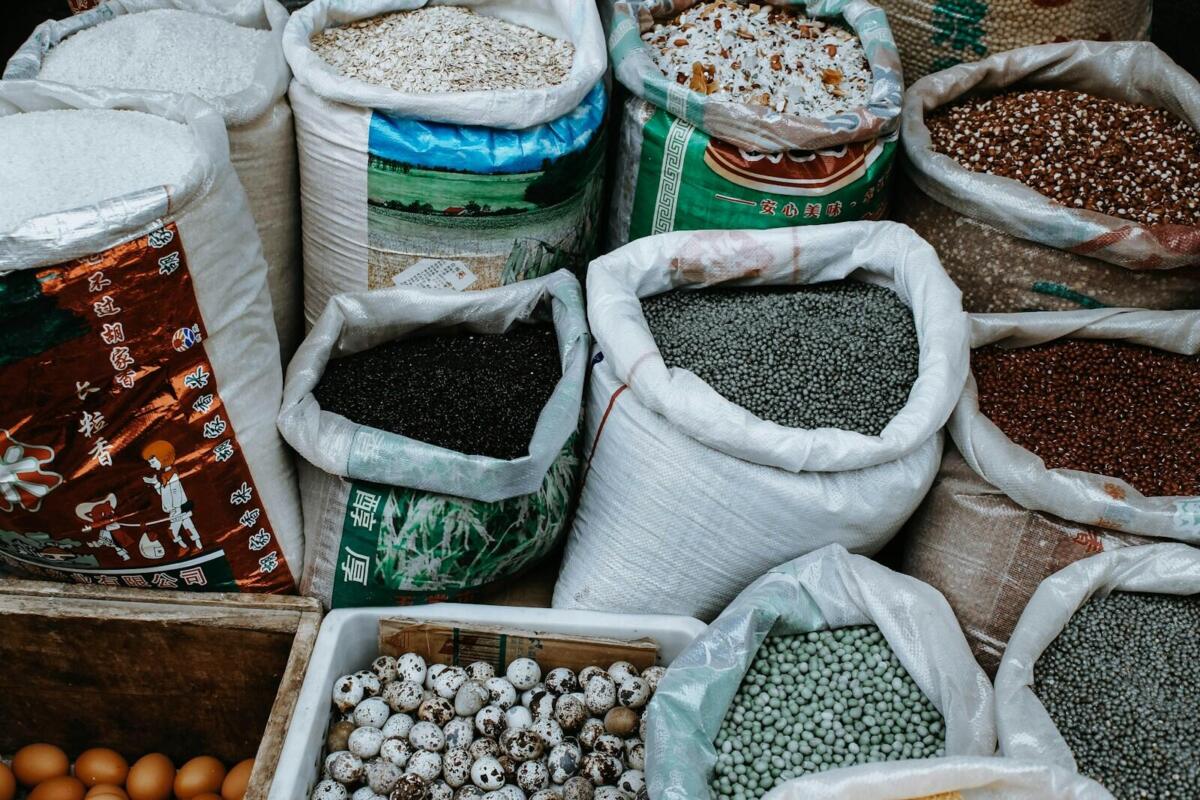
A Buyers Guide to Premium African Agro. The global landscape for agricultural exports is undergoing a significant transformation, and Africa is positioning itself as a crucial player in this arena. As we progress into 2026, the demand for African agro-exports has been steadily increasing, driven by a confluence of factors that highlight the continent’s potential in supplying premium agricultural products to the international market. Buyers are increasingly turning their attention to Africa, captivated by its rich agricultural heritage and the diverse range of produce available.

Click here to start selling on Comilmart
One notable trend contributing to this shift is the growing emphasis on sustainable sourcing among global consumers. More buyers are prioritizing practices that favor environmental sustainability and social responsibility. African countries, in response, are adopting modern agricultural techniques that not only enhance the quality and yield of crops but also ensure ecological preservation. These sustainable practices are becoming critical in meeting the expectations of discerning buyers who seek to align their sourcing choices with ethical standards.
Moreover, Africa’s unique climate and geography offer unparalleled advantages for cultivating a variety of crops, from exotic fruits to high-quality grains. The continent is endowed with fertile lands and favorable weather conditions, which are increasingly attractive attributes for international stakeholders looking for reliable sources of supply. As a result, African agro-exports are gaining recognition for their high quality, contributing both economic stability and growth in the regions where they are produced.
Understanding this emerging landscape is paramount for buyers interested in tapping into Africa’s agricultural potential. As the market evolves, so too does the need for informed sourcing strategies that leverage Africa’s strengths in agro-exports, allowing partnerships to flourish and fostering long-term sustainability in sourcing practices. In the subsequent sections of this guide, we will delve deeper into the various aspects shaping the agro-export landscape, equipping buyers with the insights necessary to navigate this dynamic market.
Product on sale
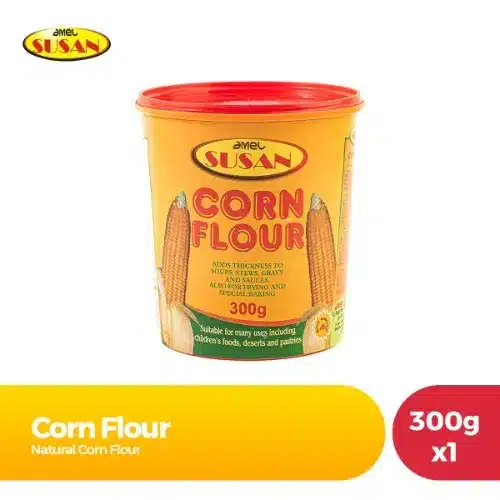
Amel Susan Corn Flour 300g X1
Original price was: $1.70.$1.63Current price is: $1.63.
Amel Susan Corn Flour – 300g pack of finely milled corn flour, ideal for thickening sauces, baking, and making light, fluffy meals. Perfect for everyday cooking.
$ USD
Why Source Agro Products from Africa?
Africa is increasingly becoming a preferred destination for sourcing agro products, attributed to several compelling advantages. One significant benefit is the continent’s diverse climatic conditions, which facilitate the cultivation of a wide variety of agricultural products. From tropical to temperate climates, the adaptability of crops across different regions in Africa enhances the availability of both staple and exotic produce, meeting diverse market demands.
Furthermore, there is a notable trend towards organic and natural farming practices within Africa. Many farmers are adopting sustainable methods that prioritize environmental health and social responsibility, allowing for the production of high-quality agro exports. This shift is aligned with global consumer preferences for healthy, environmentally friendly food options. Consequently, buyers can access a plethora of organic products, which are often certified and sought after in international markets.
Another key factor driving interest in African agro products is competitive pricing. The cost of raw materials and labor in various African countries tends to be lower compared to other regions, allowing buyers to obtain quality products at a reduced cost. This presents a lucrative opportunity for companies looking to optimize their supply chains and improve their bottom lines without compromising on quality.
Additionally, Africa is witnessing rapid advancements in its export infrastructure. Developments in logistics, transportation networks, and trade agreements are enhancing the efficiency of delivering agro products to global markets. Improved access to shipping facilities and distribution channels results in shorter lead times and increased reliability for international buyers.
In conclusion, sourcing agro products from Africa presents an array of advantages including climate diversity, organic farming practices, competitive pricing, and a developing export infrastructure. These factors collectively create a compelling case for international buyers seeking premium agricultural goods in 2026.
Product on sale
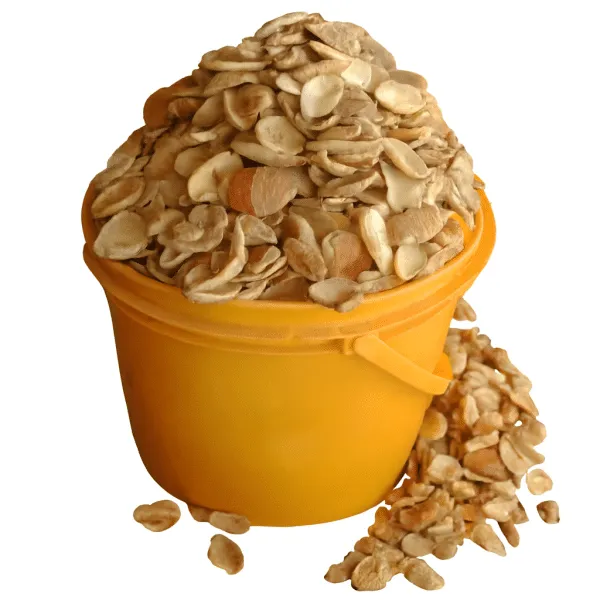
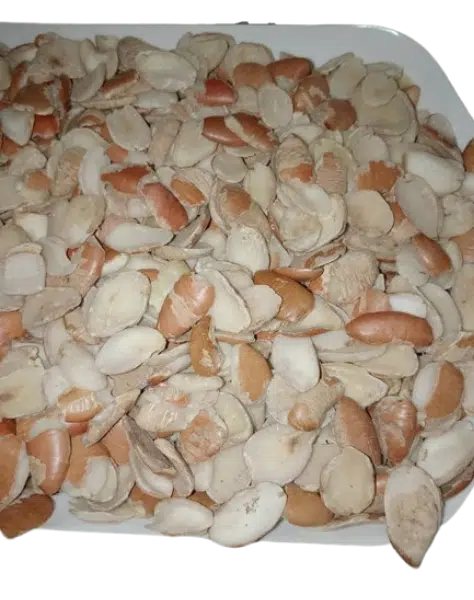
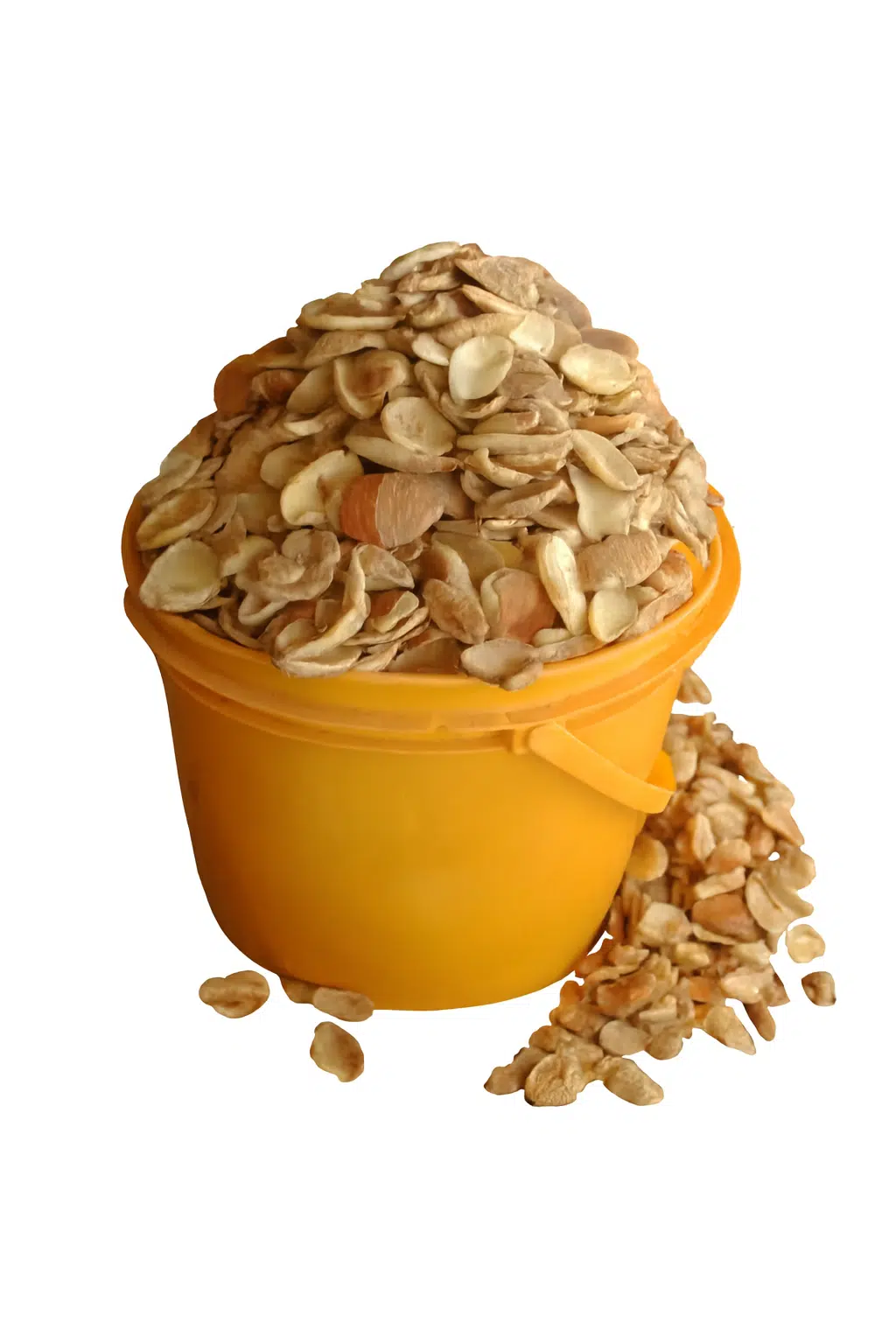
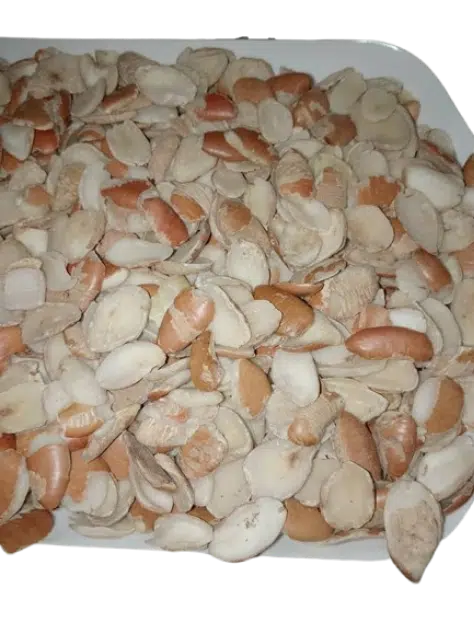
Ador Natural Ogbono (Per Custard)
Original price was: $32.50.$29.23Current price is: $29.23.
Enjoy the rich taste and aroma of Ador Natural Ogbono from Kenvic Edibles. Perfect for soups and stews, it cooks well, smells amazing, and draws beautifully. Order now for a delicious meal!
$ USD
Top Premium African Agro-Export Products in 2026
As the global market for agricultural produce continues to expand, Africa stands out as a key player owing to its diverse agro-export products. Among the premium offerings in 2026 are cocoa, cashew nuts, sesame seeds, hibiscus flower, ginger, palm oil, soybeans, charcoal, bitter kola, and ogbono (bush mango). Each of these commodities is expected to play a significant role in meeting the increasing demand from international markets.
Cocoa production is predominantly concentrated in the Ivory Coast and Ghana, which together account for approximately 60% of the world’s cocoa supply. As the demand for chocolate rises, buyers should pay attention to the quality, including the bean variety and fermentation practices, which greatly affect flavor profiles.
Cashew nuts are primarily sourced from Nigeria and Ivory Coast. The global appetite for this nutritious snack food is on the rise, making it essential for buyers to consider the nuts’ primary grading and processing methods to ensure they meet quality standards.
Sesame seeds, cultivated mainly in Nigeria and Tanzania, have witnessed a surge in demand due to their health benefits and culinary uses. Buyers should assess the purity and oil content of the seeds.
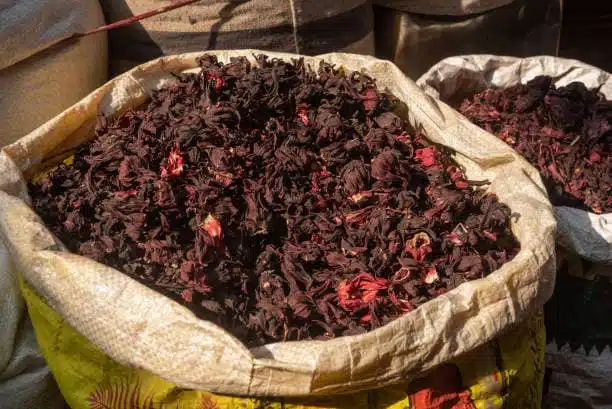
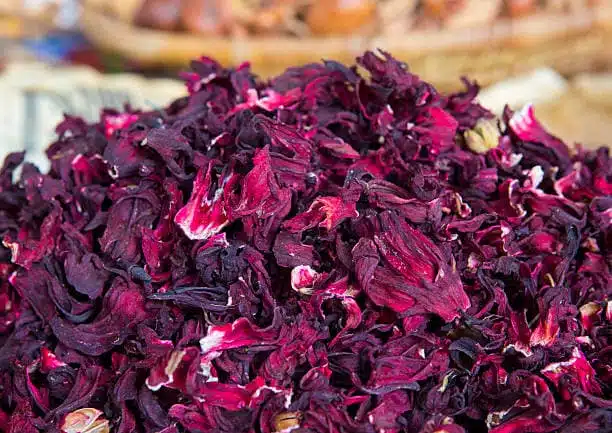
The hibiscus flower, popular for its medicinal properties, is mainly grown in countries like Sudan and Egypt. Its popularity for herbal teas and natural colorants necessitates an evaluation of the drying and packaging methods to maintain product integrity.
Ginger, known for its culinary and health benefits, sees extensive production in Nigeria and Madagascar. Buyers must consider the freshness and sourcing techniques involved in procurement. Meanwhile, African palm oil, predominantly produced in Nigeria, remains an important commodity in both food and non-food applications, influencing critical purchasing decisions based on quality classifications.
Soybeans, mainly from South Africa and Tanzania, are gaining traction in the global market; buyers might look for non-GMO varieties as consumer preferences shift. Charcoal production, especially from countries like Senegal, has presented opportunities for sustainable sourcing.
Bitter kola and ogbono are unique indigenous products experiencing revived interest due to their nutritional profiles, with Nigeria being the leading supplier. Evaluating origin and processing will be crucial for buyers looking to source these unique agro-exports.

Product on sale
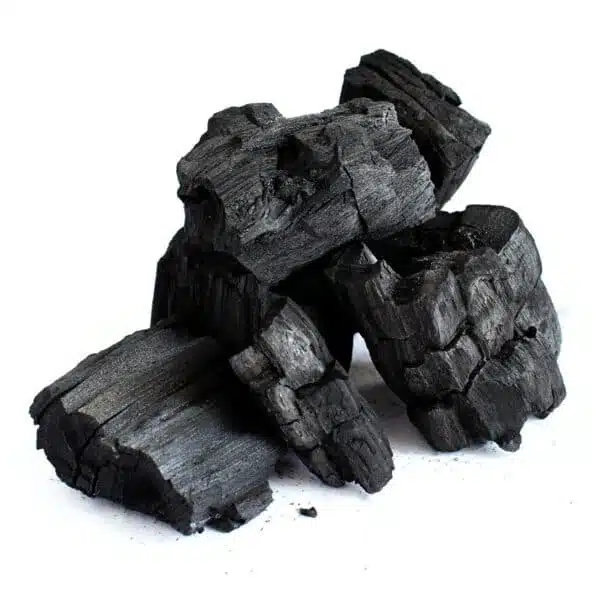
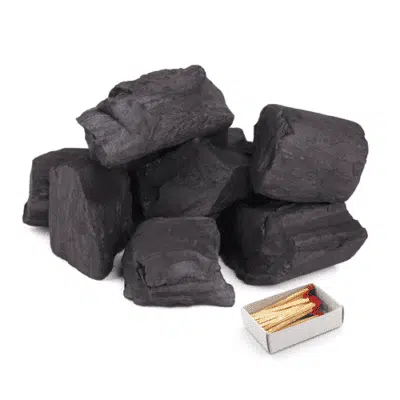
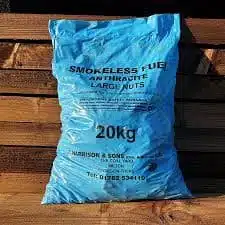
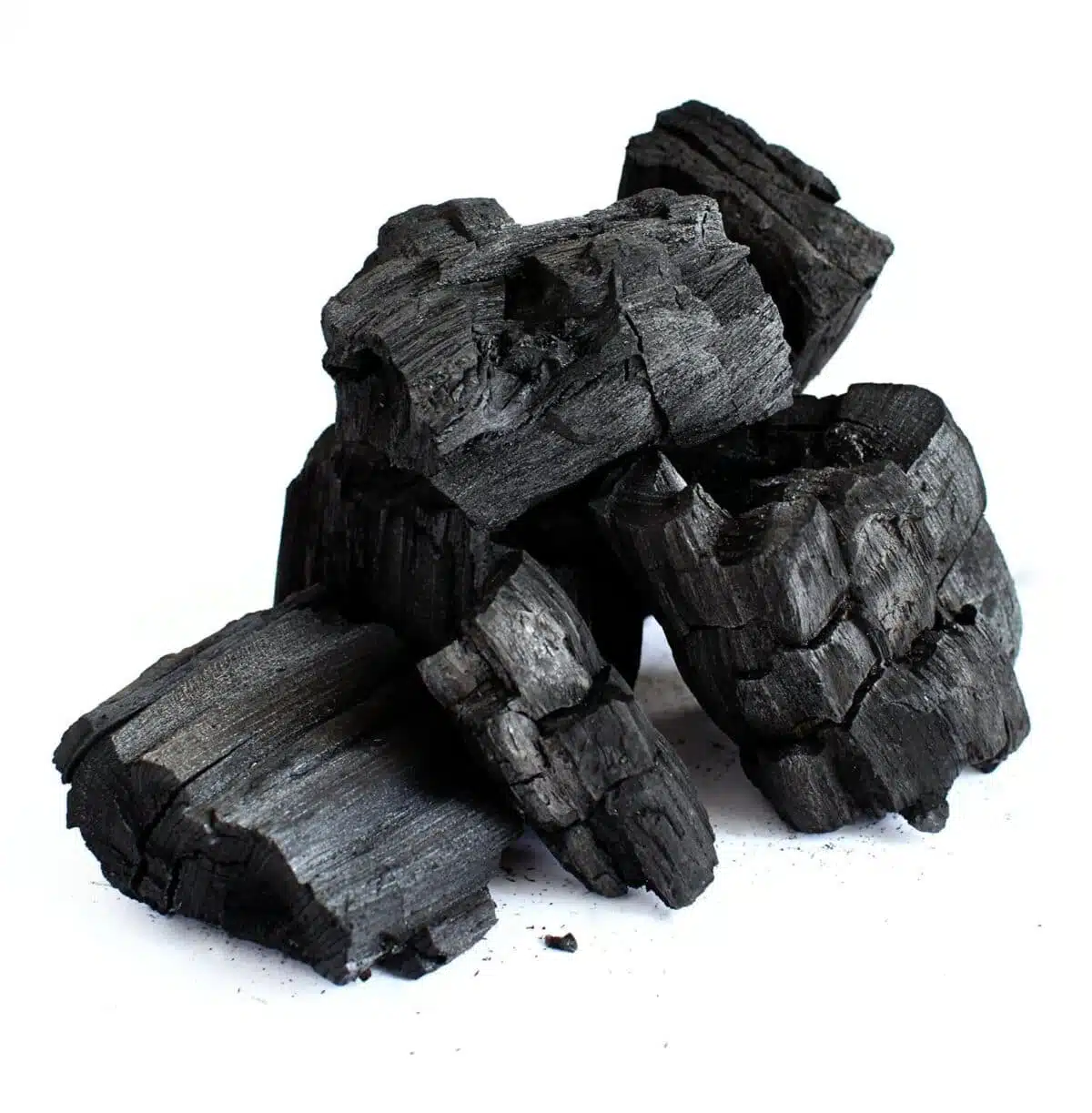
20kg Premium Hardwood Lump Charcoal
Original price was: $2.50.$2.10Current price is: $2.10.
Elevate your grilling experience with our premium hardwood lump charcoal. Crafted from 100% natural hardwoods, this charcoal offers superior flavor, consistent heat, and extended burn times for all your BBQ needs. Ideal for both grilling and smoking, it lights quickly and burns clean, leaving minimal ash. Perfect for kamado grills, smokers, and traditional barbecues, our hardwood charcoal imparts a rich, authentic smoky taste to meats, vegetables, and more. Experience restaurant-quality results in your backyard with this high-performance, eco-friendly fuel. Enhance your outdoor cooking with our top-rated, all-natural hardwood lump charcoal, designed for discerning grill masters.
The minimum quantity order is 40ft container (20 to 22 metric ton)
20000 in stock
$ USD
Key Challenges Buyers Face When Sourcing from Africa
International buyers seeking premium African agro-exports often encounter a variety of challenges that can complicate the sourcing process. One of the foremost issues is establishing trust with suppliers. The agro-export sector can be rife with miscommunication, differing business practices, and a lack of established reputations. Buyers may find it difficult to ascertain the reliability of suppliers, particularly in countries where regulatory frameworks are still developing. This challenge necessitates due diligence and the establishment of robust relationships built on transparency and mutual understanding.
Logistics and shipping constitute another significant hurdle in the procurement process. Africa’s vast size and varying infrastructural capabilities can lead to delays and increased costs. The nuances of navigating customs regulations, port inefficiencies, and unreliable transportation networks complicate the timely delivery of goods. Buyers must often employ local expertise to mitigate these logistical challenges, which can add layers of complexity to the sourcing process.
Quality verification remains critical when sourcing agro products, as inconsistencies in quality can jeopardize buyer satisfaction and market reputation. Buyers must implement strict quality control measures, including vetting suppliers, conducting pre-shipment inspections, and ensuring compliance with international standards. The importance of these measures cannot be overstated, as they play a pivotal role in maintaining product quality and mitigating return rates.
Finally, buyers face potential payment risks linked to international transactions. Currency fluctuations, differences in payment methods, and concerns over fraud can deter buyers from engaging with African suppliers. Developing a robust payment strategy, which includes employing secure payment platforms and establishing clear terms, is essential for minimizing risks associated with international procurement.

Egusi (Melon Seeds)-1 basket
$1.52
Premium quality Egusi (Melon Seeds), clean and carefully selected for rich, delicious soups. Mamaland Foods Ltd is here for you — place your order today.
$ USD
How to Identify Reliable African Suppliers
When sourcing premium agro-exports from Africa, identifying reliable suppliers is paramount to ensuring quality and maintaining supply chain integrity. A systematic approach can significantly enhance your chances of partnering with trustworthy suppliers. One of the first steps in this process is to check for necessary certifications. Valid certifications indicate adherence to international standards and regulations. Look for suppliers with certifications such as Food Safety System Certification (FSSC 22000) or GlobalG.A.P., which assure that the products are both safe and of high quality.
Another vital aspect is to thoroughly examine the track records of potential suppliers. This involves not only reviewing their history of exports but also gathering feedback from previous clients. Reliable suppliers should be transparent and willing to provide references or testimonials that can be independently verified. Attention should also be given to their experience in the specific agricultural products you are interested in, as specialized knowledge can influence product quality and compliance.
Requesting product samples before making significant purchases is a best practice that cannot be overlooked. It allows buyers to assess the quality of the products firsthand. Evaluating these samples will give you insight into whether the supplier meets your standards and expectations. Additionally, consider conducting factory visits if feasible. Evaluating the operations firsthand can reveal the true capabilities and practices of a supplier, providing clarity on their production processes and quality control measures.
Utilizing digital platforms can also aid in verifying the credibility of potential suppliers. Websites such as Alibaba, TradeKey, and specialized directories for African exporters can provide valuable information and connect buyers with reputable suppliers. Look for profiles with verified business statuses and positive reviews to ensure that the suppliers are legitimate.
Digital marketplaces have emerged as transformative platforms for sourcing agro-related products, particularly within the context of African agro-exports. They facilitate connections between buyers and sellers, thus promoting efficiency and transparency in transactions. One of the most significant advantages of utilizing digital marketplaces, such as comilmart, is the access they provide to verified vendors. This feature is crucial for buyers who prioritize quality and want assurance about the origins of the products they intend to procure.
Moreover, these platforms offer secure transaction processes that enhance buyer confidence. By implementing advanced security measures, digital marketplaces minimize the risks associated with online purchasing. This includes safeguarding sensitive information and ensuring that transactional processes are conducted smoothly, thereby encouraging more stakeholders to engage in the agro-export market.
Improved communication between buyers and sellers is another notable benefit. Digital marketplaces often feature integrated messaging systems, allowing quick and effective communication. This capability facilitates negotiations, clarifications, and the exchange of vital information regarding product specifications, pricing, and availability. In this way, both parties can build stronger, lasting relationships based on trust and mutual understanding.
Additionally, digital marketplaces provide global visibility for agro-export products, enabling sellers to reach a broader audience than would be possible through traditional means. This exposure is particularly advantageous for rural farmers and small-scale producers who might otherwise struggle to access international markets. By leveraging online platforms, they can showcase their products to potential buyers worldwide, ultimately driving sales and fostering economic growth within their communities.
In essence, digital marketplaces represent a significant advancement in the sourcing landscape for African agro-exports, facilitating smoother transaction processes, encouraging effective communication, and enhancing market visibility for a wider range of stakeholders.



Product on sale
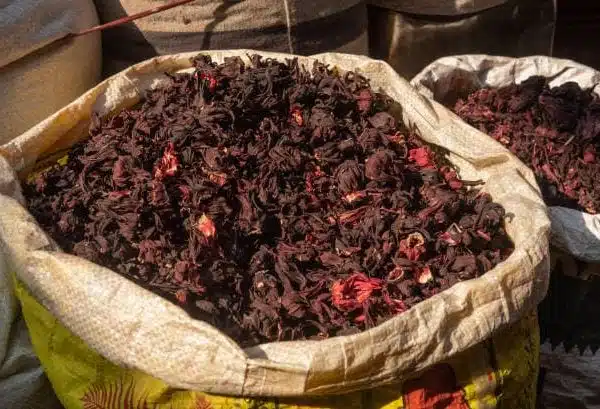
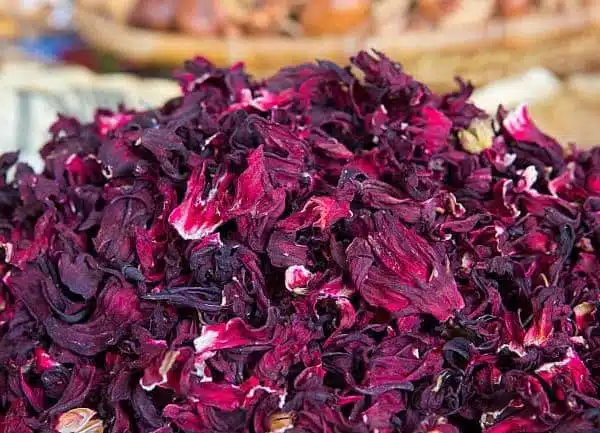
Premium Dried Hibiscus Flower (Zobo)
Original price was: $25.00.$23.00Current price is: $23.00.
Discover the vibrant taste and health benefits of our premium dried Hibiscus Flower (Zobo). Sourced organically and naturally, these beautiful crimson petals are perfect for brewing refreshing Zobo drinks, herbal teas, and adding a tangy, floral note to culinary creations. Rich in antioxidants and vitamin C, our hibiscus flowers are ideal for promoting well-being. This 100% natural product is free from additives, ensuring a pure and authentic experience. Elevate your beverages and dishes with the distinctive flavor and stunning color of high-quality hibiscus, a versatile ingredient for health-conscious consumers and culinary enthusiasts alike. Enhance your search ranking for ‘dried hibiscus’, ‘Zobo drink’, ‘herbal tea ingredients’, and ‘natural food coloring’.
$ USD
Step-by-Step Guide to Sourcing Agro Products from Africa
Sourcing agro products from Africa can be a rewarding endeavor, provided it is approached systematically. The first fundamental step is to identify the right product that meets your specific needs. This requires comprehensive market research to ascertain what agro products are in demand and how they fit with your business goals. Consider the sustainability and supply stability of these products, along with their compliance with international health and safety standards.
Once you have defined your choice of products, the next step is to request samples from potential suppliers. Receiving samples allows you to evaluate the quality of the products, as well as assess packaging and other essential factors. It’s important to take note of the supplier’s response time and willingness to accommodate your requests, as these can reflect their reliability and commitment to customer satisfaction.
Verifying suppliers stands as a crucial component of the sourcing process. Conduct due diligence by investigating the supplier’s background, production capabilities, and reputation in the market. Utilizing resources such as trade organizations and online platforms can prove beneficial in confirming their legitimacy. It is also advisable to seek testimonials or reviews from previous clients to ensure the credibility of your suppliers.
After establishing a trustworthy supplier, the next step involves negotiating terms. Discuss pricing, payment options, delivery schedules, and other critical details to reach a mutually beneficial agreement. Transparent negotiations can strengthen your relationship with suppliers and pave the way for future collaborations.
In addition, leveraging secure marketplaces for transactions will enhance the strength of your sourcing efforts. Online platforms that specialize in agro exports offer protection and facilitate safe payments while providing extensive product listings. Finally, arranging logistics effectively is paramount; consider factors such as shipping methods, customs regulations, and delivery timelines to ensure smooth and efficient transport of the agro products to your location.
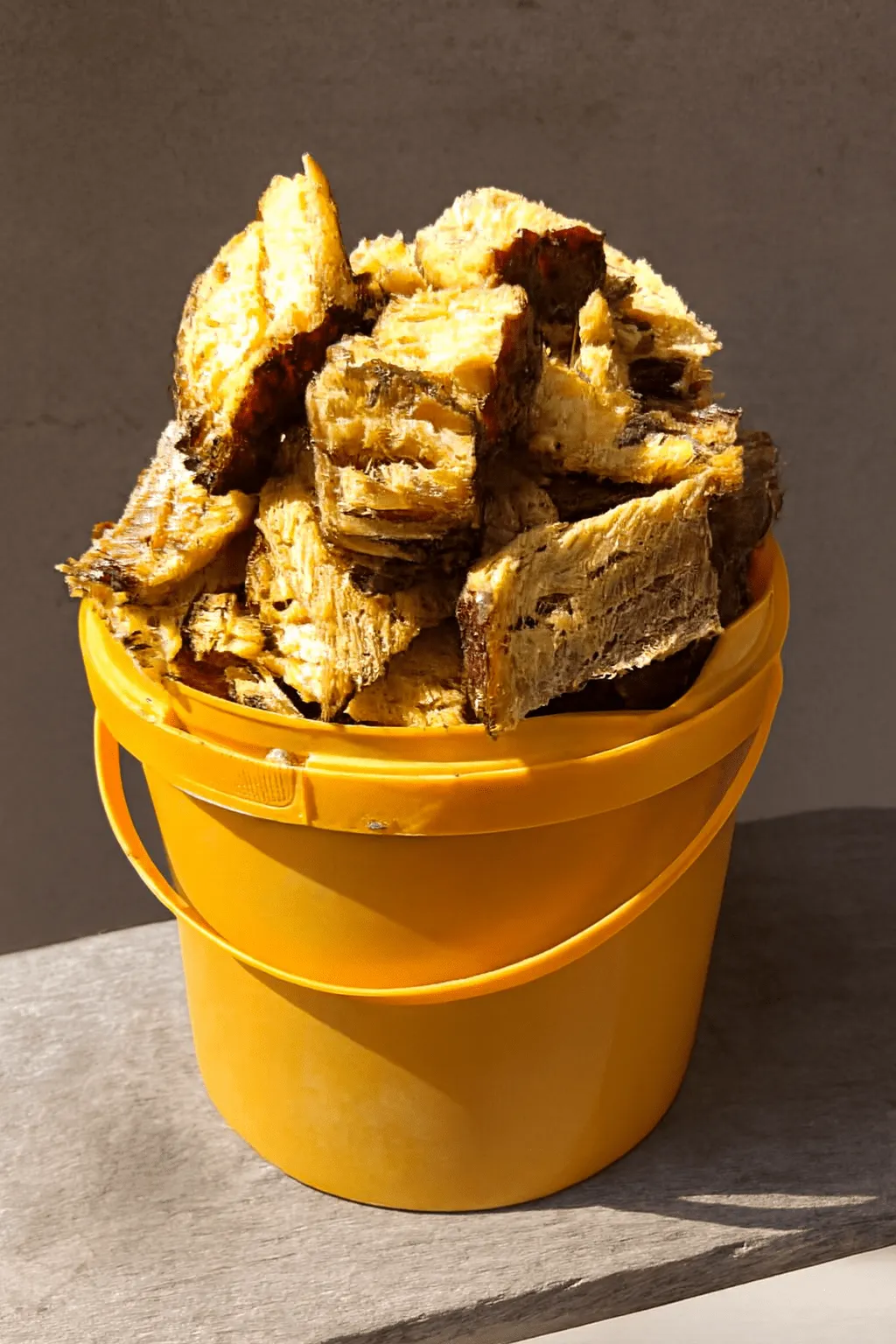
“Mangala Fish
$42.66
“Mangala Fish – a smoky, flavorful Nigerian delicacy, carefully smoked to preserve freshness and enhance taste, perfect for soups and stews.”
$ USD
Logistics, Shipping, and Export Considerations
Sourcing premium agro-exports from Africa involves a careful understanding of logistics and shipping processes, crucial for ensuring timely and cost-effective delivery. Key shipping terms like Cost, Insurance, and Freight (CIF), Free on Board (FOB), and Ex Works (EXW) play significant roles in this domain. Understanding these terms helps buyers determine their responsibilities and the financial implications related to international shipping.
CIF indicates that the seller covers costs, insurance, and freight necessary to transport goods to a specified port. This term is beneficial for buyers who prefer to minimize risk by obtaining comprehensive clarity on shipping expenses upfront. On the other hand, FOB places the responsibility on the seller until the goods are loaded onto the ship. This arrangement can provide buyers control over the shipping process but necessitates accurate coordination with freight forwarders.
With EXW, the seller’s responsibility ends once the goods are made available at their premises. Buyers opting for this term must manage all export and logistics processes, making it crucial for them to understand their roles in international trade logistics.
Africa boasts several critical ports that facilitate the export of agro-products, including the Port of Durban in South Africa, the Port of Mombasa in Kenya, and the Port of Lagos in Nigeria. Each port has specific strengths, handling different types of cargo and offering various logistical support services. Choosing the right port is essential for optimizing shipping times and costs.
Several factors can influence shipping timelines and costs, including seasonal weather patterns, the availability of shipping vessels, customs regulations, and local regulatory compliance. Buyers should remain attentive to these considerations to streamline their sourcing strategies and enhance the reliability of their agro-exports from Africa.

Product on sale
Bio Medium Balls For Catfish Pond – 1kg
Original price was: $133.12.$130.17Current price is: $130.17.
Bio Medium Balls are plastic filtration media designed to enhance water quality in catfish ponds. Each 1kg pack contains approximately 155–160 balls, each about 1.5 to 2 inches in diameter. These balls provide surface area for beneficial microorganisms to thrive, helping to reduce harmful substances, control algae growth, and maintain a balanced aquatic ecosystem
$ USD
Future Trends in African Agro-Exports (2026 and Beyond)
The landscape of African agro-exports is poised for significant transformation in 2026 and beyond, driven by various future trends that hold the potential to reshape import-export dynamics. One of the most prominent trends is the growth of digital trade. As technology continues to advance, African agro-exporters are increasingly utilizing e-commerce platforms to reach global markets. This digital transformation facilitates seamless transactions, improves supply chain efficiency, and enhances market access for local producers. The adoption of digital tools not only bridges the gap between producers and consumers but also enables real-time data analysis to better meet market demands.
Sustainability initiatives are becoming a crucial aspect of the agro-export sector. With consumers worldwide increasingly prioritizing ethically sourced and environmentally friendly products, African exporters are adopting sustainable agricultural practices. This shift is not only beneficial for fostering environmental stewardship but also essential for enhancing the marketability of products on a global scale. By embracing sustainable practices, producers can tap into the growing demand for eco-conscious goods, thus increasing their competitiveness in international markets.
Moreover, the anticipated increase in global demand for high-quality agro-products presents both opportunities and challenges for African exporters. As international markets expand, there is a rising expectation for premium agro-exports, which compels producers to elevate quality standards. This trend is driven by changing consumer preferences that favor health-conscious and high-grade food products. Consequently, meeting these expectations will require investments in quality control and adherence to international standards.
Finally, the rise of e-commerce platforms is expected to significantly influence the agro-export sector. These platforms not only simplify the buying and selling processes but also enhance transparency in trade practices. As a result, trade dynamics are becoming more competitive, allowing African producers to flourish in a global marketplace. Overall, the future of African agro-exports is vibrant and promising, characterized by innovation and adaptability.

Product on sale
Clean Crayfish – 1 Custard
Original price was: $6.38.$6.30Current price is: $6.30.
Well-cleaned, dry crayfish with no sand or stones. Fresh, aromatic, and ideal for everyday cooking.
$ USD
Conclusion: Embrace African Agro-Exports
As we find ourselves in an evolving global market, the African agro-export sector offers immense potential for international buyers seeking quality products. The continent, rich in diverse agricultural resources, presents unique opportunities that can drive business growth and sustainability for companies worldwide. From staple foods to specialty crops, Africa’s agro-exports are increasingly gaining recognition for their quality and innovation, responding to the growing demands of global consumers.
To tap into this vast supply chain, buyers are encouraged to explore various platforms that can simplify the process of connecting with trustworthy suppliers. One such platform is Comilmart, which serves as a bridge between international buyers and reliable African agro-exporters. Engaging with local suppliers allows businesses to not only access high-quality products but also to foster meaningful trade relationships that can lead to long-term benefits.
Investing in African agro-exports means being part of a dynamic market that is poised for growth. The importance of sustainability and quality assurance in these products should not be underestimated, as they align with the values of increasingly conscientious consumers. As agricultural practices in Africa continue to improve and become more efficient, the potential for growth in exports remains significant. By embracing African agro-exports, companies can not only enhance their product offerings but also contribute positively to the development of African economies.
In conclusion, the African agro-export market is flourishing and ripe with opportunities for international buyers. The key lies in forming partnerships with reputable suppliers who understand the nuances of the market and can provide the products that meet international standards. Therefore, take proactive steps to explore this promising sector, leveraging platforms like Comilmart to begin your journey in the world of African agro-exports.