

















Introduction
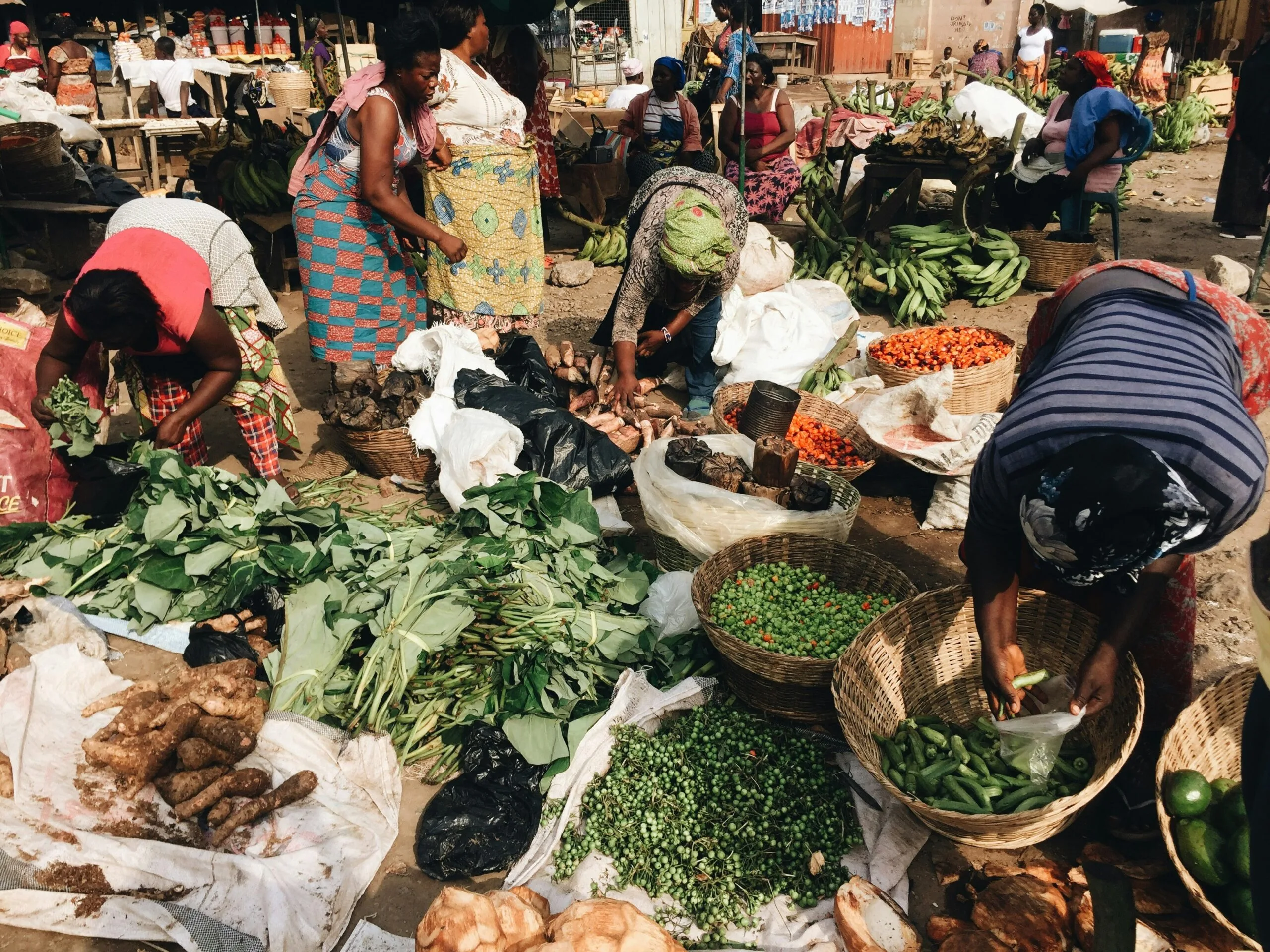
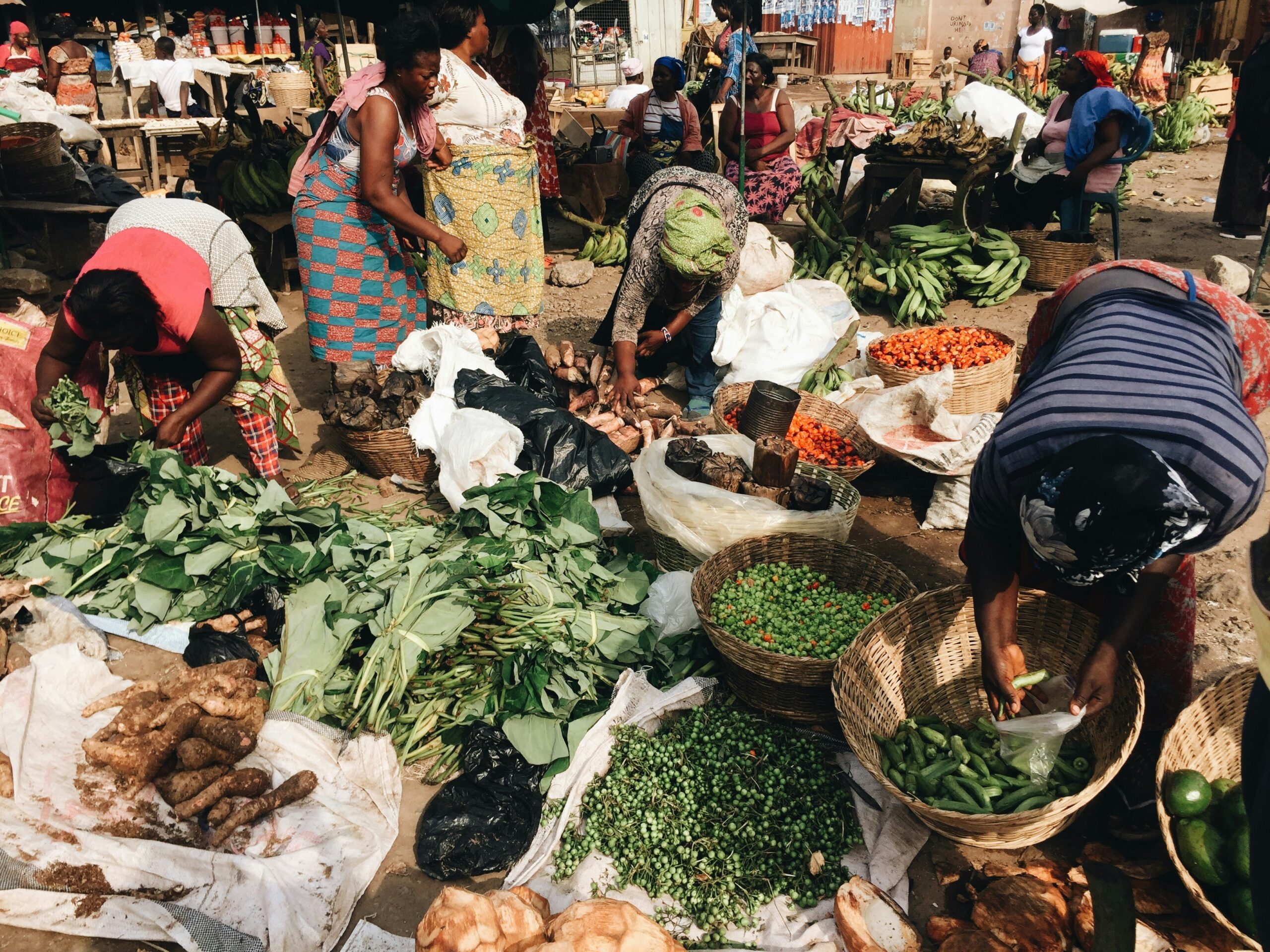
How to Start Agricultural Product Exportation from Africa to the International Market. Africa stands as a continent filled with vast agricultural potential and numerous opportunities for entrepreneurs seeking to enter the agricultural export sector. With its diverse climate and rich biodiversity, Africa is endowed with the capability to produce a wide range of high-quality agricultural products that can meet the increasing global demand. Exporting agricultural products not only contributes to the economies of African nations but also facilitates the growth of local businesses, generating revenue and creating jobs.
Click here to Start selling your agro product on Comilmart
Economic benefits derived from agricultural exportation are substantial. The continuous global shift towards sustainable and organic products has led to a rising demand for natural agricultural commodities. As a major supplier, Africa is positioned to capitalize on this trend. Products such as cocoa, sesame, ginger, and cashew not only cater to various international markets but also provide competitive advantages owing to their unique flavors, quality, and sustainable cultivation practices.
Moreover, commodities like charcoal and palm oil are indispensable in various global markets, with their production significantly impacting local economies. The exportation of spices, which are in high demand for culinary uses, health benefits, and their essential role in food preservation, presents an attractive opportunity for aspiring exporters. The potential profitability of these products underscores the importance of integrating knowledge and strategies that enable effective entry into the international market.
As agricultural exportation from Africa continues to evolve, understanding the intricacies of the market, product selection, and logistical requirements will be crucial for new entrants. This guide aims to provide a comprehensive overview from the basics to more advanced strategies that will equip aspiring exporters with the necessary tools and knowledge to thrive in the agricultural export sector.
Product on sale
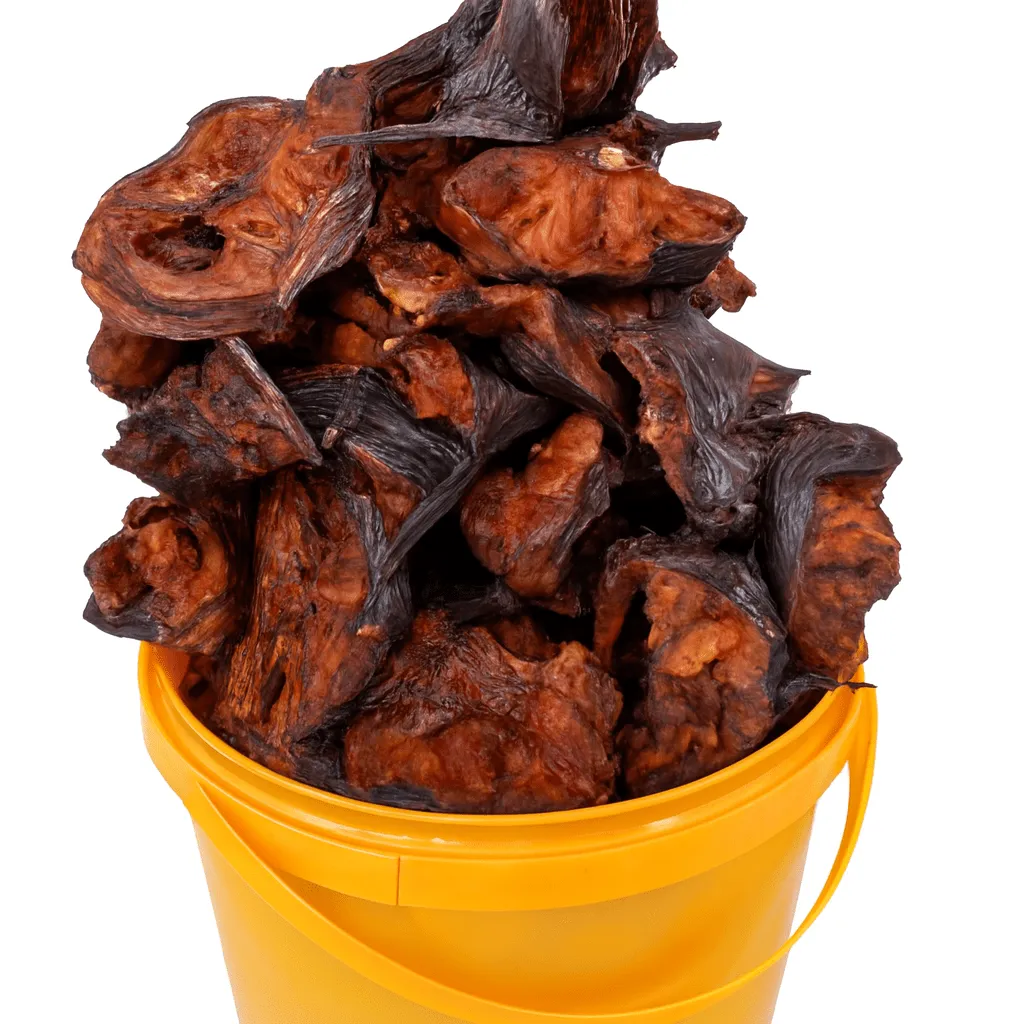
Premium Smoked Fish 100pieces – Whole & Naturally Preserved
Original price was: $89.30.$85.00Current price is: $85.00.
NadoOrganic Food’s smoked fish is richly flavored, naturally preserved, and perfect for traditional soups, stews, and sauces. Packed whole in bulk for freshness and convenience.
$ USD
Choosing the Right Product
When embarking on agricultural product exportation, selecting the right products is crucial for success in the competitive international market. The initial step involves conducting thorough market research to identify high-demand commodities that align with current consumer trends. Awareness of global market dynamics will guide exporters in recognizing which products can yield significant returns on investment.
Several factors should inform your product selection. First, it’s essential to analyze consumer preferences and behavior in target markets. This can be achieved through surveys, focus groups, and studying existing sales data of similar products. Understanding what international customers prioritize—whether it be organic certification, taste, nutritional value, or sustainability—will aid in tailoring your offerings to meet their demands.
Additionally, consider profitability by assessing production costs against potential selling prices in the export market. This involves not just the price of raw materials, but also associated costs such as packaging, transportation, and tariffs. A product’s profitability is also influenced by seasonal availability; supplying products during peak demand periods ensures higher pricing and reduced competition, thus maximizing returns.
Furthermore, evaluate market trends regarding sustainability and ethical sourcing, as these factors are increasingly influencing consumer choices in many regions. Products adhering to social and environmental standards may enjoy a competitive edge. Engaging with local agricultural boards or trade organizations can also provide invaluable insights into which products are gaining traction abroad, leading to informed decision-making.
In summary, a systematic approach to product selection encompasses a deep understanding of market needs, profitability analysis, and alignment with consumer values, enabling new entrants into agricultural exportation to secure viable products for international trade.
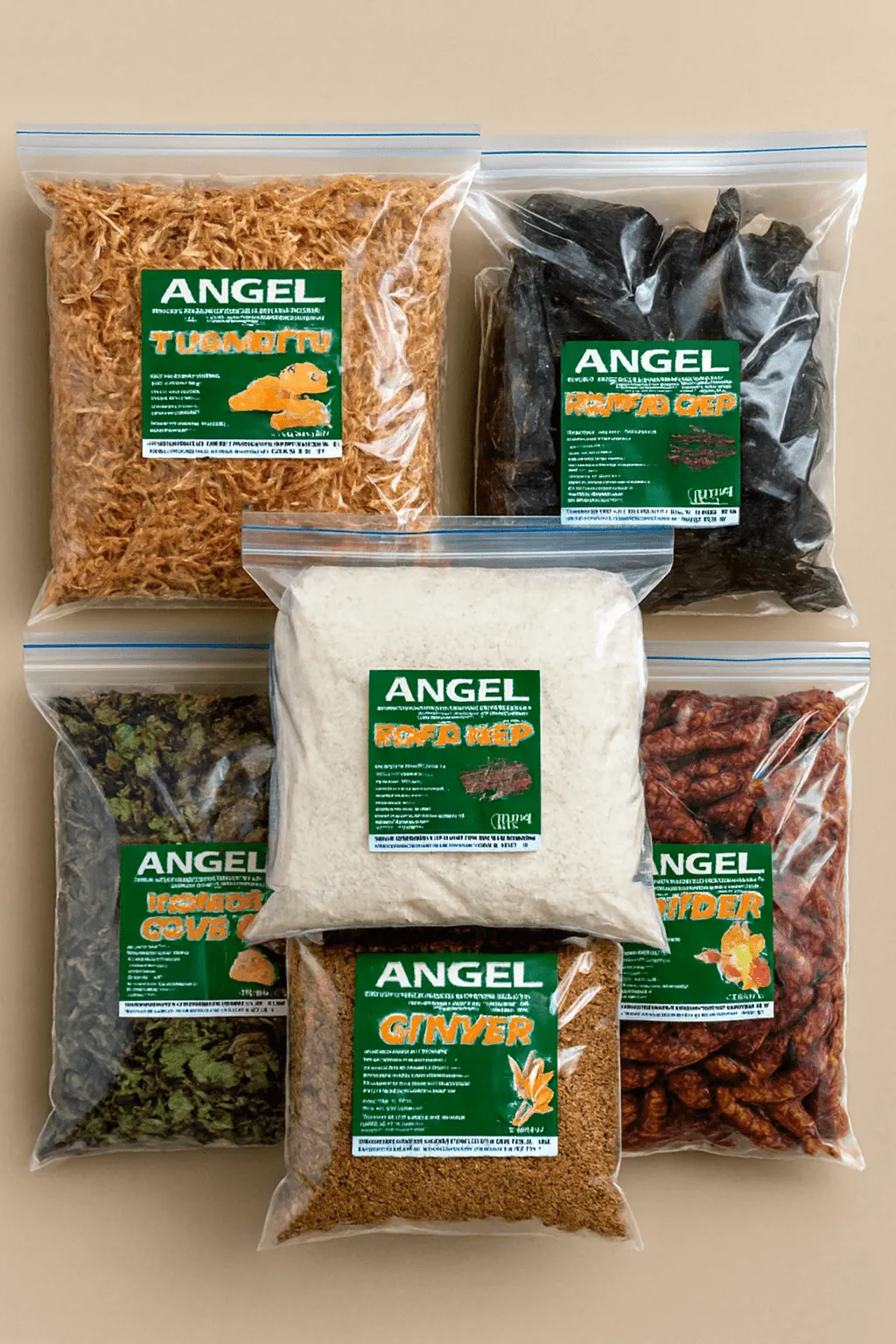
Ultimate Native Soup Ingredients Combo Pack
$210.00
A complete native soup ingredients bundle packed with premium dried fish, spices, seasoning, and local essentials for preparing rich, traditional meals.
$ USD
Sourcing Agricultural Products
Sourcing high-quality agricultural products is crucial for establishing a successful export business. This involves finding trustworthy farmers and suppliers who can provide the necessary products while adhering to international standards. One effective method is to collaborate with local cooperatives, which often represent a group of farmers and can offer a more reliable supply chain. Cooperatives also provide farmers with access to resources such as training, financing, and improved market opportunities, thereby enhancing the overall quality of the agricultural produce.
Engaging with local markets is another strategy to explore when looking for agricultural products. Here, exporters can connect directly with farmers, observe their farming practices, and assess the quality of crops before making any commitments. Local markets serve as a vibrant hub for discovering potential suppliers and understanding the unique agricultural dynamics of the region.
To ensure that the products meet international buyer expectations, it is imperative to implement stringent quality control measures and adhere to established grading standards. This may involve conducting thorough inspections during various stages of the production and pre-export processes. Implementing a systematic grading process helps identify the quality of produce based on characteristics such as size, color, and freshness, ultimately guaranteeing that only the best products are sent to international markets.
Additionally, forming strong relationships with farmers and suppliers is essential for successful sourcing. Regular communication and feedback not only build trust but can also enable exporters to negotiate better prices and flexible terms. By understanding farmers’ challenges and needs, exporters can help implement better farming practices, ensuring sustainable sourcing in the long run.
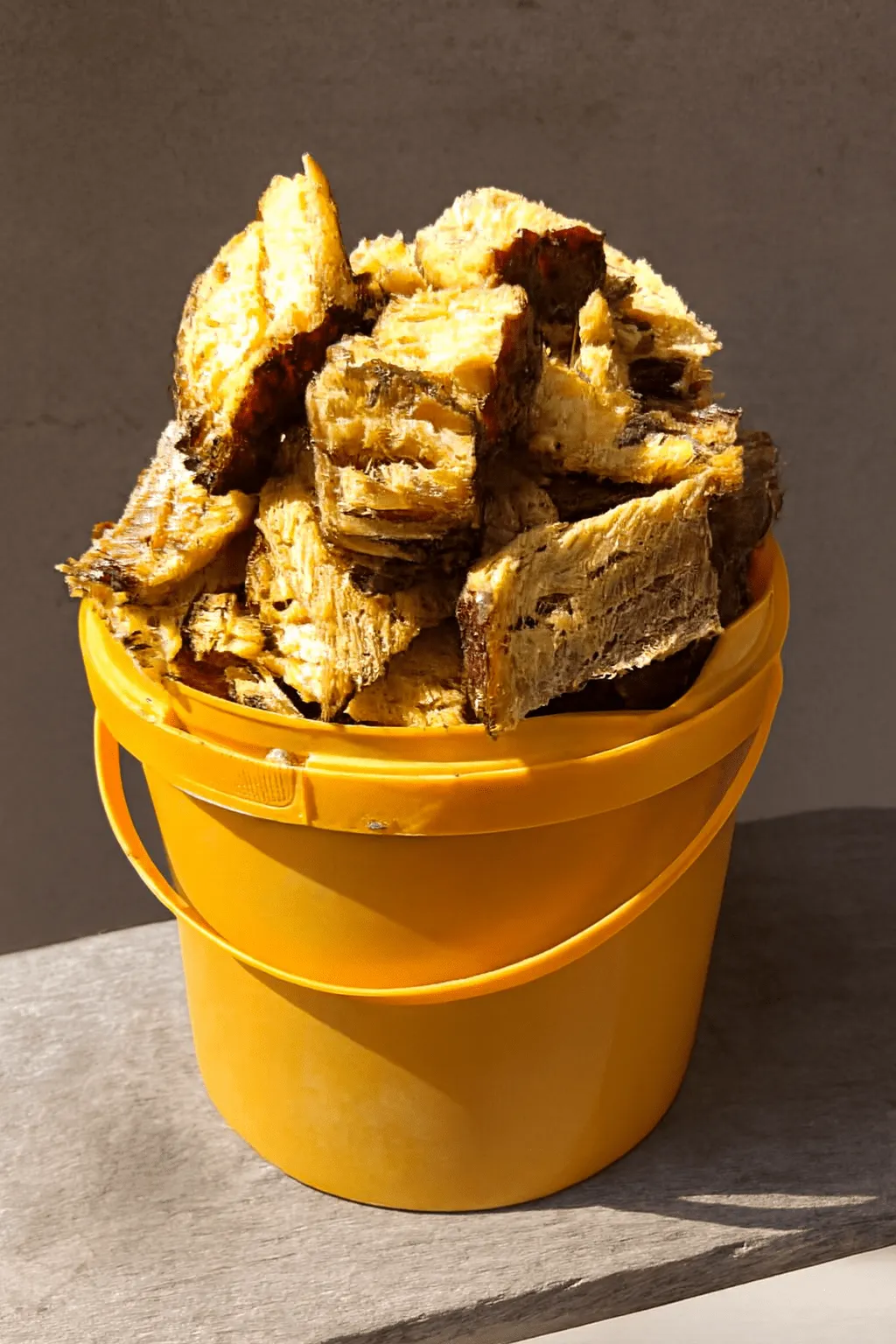
“Mangala Fish
$42.66
“Mangala Fish – a smoky, flavorful Nigerian delicacy, carefully smoked to preserve freshness and enhance taste, perfect for soups and stews.”
$ USD
Legal Requirements and Documentation
Embarking on agricultural product exportation from Africa necessitates a thorough understanding of the legal framework and documentation required for a seamless operation. Primarily, the process begins with the registration of your business, which is a fundamental legal requirement. This step not only lends legitimacy to your operations but also ensures compliance with the respective laws governing trade in your country.
Once your business is registered, obtaining the appropriate export licenses and permits becomes imperative. Different countries may have specific requirements for exporting agricultural products, and these must be adhered to rigorously. Export licenses serve as a legal allowance for businesses to ship goods outside their borders, thus ensuring that your goods meet international standards and regulations.
Certifications play a crucial role in agricultural product exportation. Essential certifications, such as phytosanitary certificates, verify that the products are pest-free and comply with the standards of the importing country. Moreover, adherence to the regulations set by the National Agency for Food and Drug Administration and Control (NAFDAC) is critical for products being exported, particularly food items. This ensures that all products are safe for consumption and meet public health standards.
In addition to national compliance, familiarity with international compliance standards is vital. These standards often vary and can include certifications related to organic farming methods, fair trade practices, and adherence to sustainable agriculture guidelines. It is essential to ensure that your products are not only compliant with local regulations but also resonate with the expectations of international partners.
To sum up, understanding the legal requirements and securing the necessary documentation is fundamental for anyone considering the exportation of agricultural products from Africa. It not only protects your business from legal repercussions but also enhances the credibility of your products in the global market.

“Large Size – 100 pieces
$105.00
“Large Size – 100 pieces of durable, high-quality items, ideal for bulk use and everyday convenience.”
$ USD
Packaging and Quality Standards
In the realm of agricultural product exportation, effective packaging plays an integral role in enhancing product appeal, preserving quality, and ensuring compliance with international standards. The significance of adhering to these standards cannot be overstated, as they not only fulfill buyer expectations but also mitigate the risk of product spoilage during transit.
First and foremost, exporters must familiarize themselves with the specific packaging requirements set forth by target markets. These requirements often include specifications on materials, labeling, and even packaging dimensions. Packaging materials should be selected based on their ability to protect the agricultural products from environmental stressors such as moisture, temperature fluctuations, and physical damage. For instance, breathable materials may be ideal for fresh fruits and vegetables, as they help maintain the necessary airflow.
Furthermore, the use of appropriate storage methods prior to shipment is pivotal. Properly controlled storage conditions, including temperature and humidity control, can significantly influence the freshness of agricultural products. Implementing preservation techniques, such as vacuum sealing or the use of modified atmosphere packaging, can enhance the longevity and quality of perishable items during transport.
Additionally, understanding international quality standards, such as those outlined by the International Organization for Standardization (ISO) or the Codex Alimentarius, is essential for exporters. Compliance with these standards not only enhances product credibility but also fosters trust with international buyers. Failure to meet these standards can result in rejected shipments, financial losses, and damage to reputation.
In conclusion, the packaging of agricultural products destined for international markets requires careful consideration of quality standards and preservation techniques. By committing to high-quality packaging and adhering to international requirements, exporters can ensure that their products reach consumers in optimal condition, thus enhancing competitiveness in the global marketplace.

stockfish cutlets
$28.00
Premium stockfish cutlets, carefully cut and cleaned. Ready for cooking soups, stews, and traditional dishes. Fresh, flavorful, and high-quality.
$ USD
Finding International Buyers
Identifying and reaching international buyers is a crucial step in the agricultural exportation process. One effective avenue for finding buyers is through online marketplaces that cater specifically to agricultural products. Platforms like Alibaba, TradeKey, and Global Sources offer exporters the ability to connect with a vast network of potential buyers from various countries. These platforms provide a user-friendly interface for listing products, set up inquiries, and ultimately negotiate deals. Utilizing these marketplaces can significantly widen the exporter’s reach, especially in the initial stages.
In addition, joining trade platforms that facilitate business transactions across borders can be beneficial. Many of these platforms provide additional resources such as market research, buyer databases, and matchmaking services that help exporters find suitable buyers. Moreover, they often feature tools for understanding buyer requirements, which is pivotal for successful exports.
Trade fairs and exhibitions also play a vital role in connecting exporters with international buyers. Participating in such events allows exporters to showcase their products directly to potential buyers, providing an excellent opportunity for face-to-face interaction. Trade fairs often attract key players in the industry, and attending these can lead to invaluable partnerships. Planning participation requires attention to detail, as setting up a visually appealing booth and preparing marketing materials can make a significant difference in drawing interest.
Furthermore, engaging with export promotion agencies can provide additional support in finding international buyers. These agencies offer guidance, resources, and sometimes even facilitate introductions to potential customers. Building relationships with trade representatives can lead to ongoing opportunities for exports.
Professional communication and relationship building are paramount throughout this process. Developing an understanding of various cultural norms and business practices will enhance credibility and establish trust with international buyers. Effective communication, coupled with consistent follow-ups, can greatly improve the chances of creating a lucrative export business.

Dried Shrimp
$2.28
Premium-quality dried shrimp, rich in flavor and perfect for enhancing soups, stews, sauces, and traditional dishes.
$ USD
Selling Through Comilmart
In the realm of agricultural product exportation, leveraging online platforms like Comilmart can significantly enhance visibility and reach. Comilmart serves as a digital marketplace that connects sellers of agricultural products with a broad audience, including both local buyers and international markets. By understanding the intricacies of this platform, exporters can optimize their presence and showcase their offerings effectively.
The first step to successfully listing agricultural products on Comilmart is to create a compelling profile. This involves not only providing necessary business information but also highlighting the unique selling points of your products. Sellers should focus on imagery and detailed descriptions, as these elements can greatly influence purchasing decisions. High-quality images that clearly portray the product’s quality and packaging will attract more attention from potential buyers, while informative descriptions that include specifications and benefits are essential for effective communication.
Moreover, utilizing keywords relevant to your agricultural products in your listings can significantly improve searchability. Incorporating synonyms and related terms can enhance visibility, allowing your products to appear in a wider range of searches. It is advisable to use terms that your target market may utilize when seeking specific agricultural goods. However, care must be taken to avoid keyword stuffing – a natural and intuitive approach is preferable to maintain readability and professionalism.
To attract both local and international buyers, it is recommended to engage in effective marketing strategies. Promotions, seasonal discounts, and engaging content can draw interest. Utilizing social media marketing to share your Comilmart listings can also increase traffic to your profile and ultimately foster growth in your sales efforts.

Egusi (Melon Seeds)-1 basket
$1.52
Premium quality Egusi (Melon Seeds), clean and carefully selected for rich, delicious soups. Mamaland Foods Ltd is here for you — place your order today.
$ USD
Pricing and Negotiation
Establishing a competitive pricing strategy is crucial for exporters venturing into the international agricultural market. One of the first steps in calculating export pricing involves understanding the various costs associated with your products, which include production, packaging, shipping, and any tariffs imposed by importing countries. A comprehensive pricing strategy will increase your overall competitiveness while ensuring profitability.
Paramount to this process is the understanding of different pricing incoterms. Familiarize yourself with terms such as Free on Board (FOB), Cost, Insurance, and Freight (CIF), and Ex Works (EXW). FOB indicates that the seller takes responsibility until the goods have been loaded onto the shipping vessel, while CIF includes transportation costs all the way to the buyer’s destination. EXW, on the other hand, suggests that the seller makes the goods available at their premises, and the buyer bears all responsibilities and risks thereafter. Understanding these terms can help you draft an accurate pricing model that aligns with international shipping practices.
When engaging in negotiations with potential buyers, it is essential to adopt a strategic approach. Begin by conducting extensive market research to determine competitor pricing strategies and buyer expectations. This will not only allow you to set informed prices but also provide leverage during negotiations. Communicate clearly and assertively your product’s unique selling proposition (USP) and be prepared to discuss quality, certification, and sustainability practices, which are increasingly valued in the international market.
Moreover, be aware of local cultural nuances in your negotiation style. Establishing rapport and demonstrating respect for the buyer’s culture can facilitate smoother communication. Aim to create a win-win scenario where both parties feel satisfied with the transaction terms, thereby laying the groundwork for a long-term business relationship.

Premium Ogbono Seeds – Wild Mango Kernels (Whole) | NadoOrganic Food
$20.86
NadoOrganic Food’s premium ogbono seeds are naturally dried and hand-selected for quality. Perfect for thickening soups and stews, these wild mango kernels deliver authentic flavor and rich texture to traditional West African dishes.
$ USD
Logistics and Shipping
The logistics aspect of agricultural product exportation plays a crucial role in ensuring that goods reach international markets efficiently and safely. One of the primary considerations for exporters is selecting the appropriate shipping method—air freight or sea freight. Each has its advantages and disadvantages depending on the nature of the product, cost considerations, and time constraints.
Air freight is typically the faster option, making it ideal for perishable goods that require swift delivery. However, it is often significantly more expensive than sea freight. On the other hand, sea freight is generally more cost-effective for larger shipments and non-perishable items, although it entails longer transit times. Exporters must weigh these factors based on their specific products and target markets.
Another vital component of logistics is the role of freight forwarders. Freight forwarders are professionals who manage the shipment process on behalf of exporters. They have strong networks and expertise to help navigate complex logistics and ensure compliance with international shipping regulations. Leveraging their services can simplify the exportation process significantly, particularly for beginners who may be unfamiliar with the various requirements.
Documentation is also a critical factor in shipping agricultural products. Essential documents include the Bill of Lading, commercial invoice, packing list, and certificates of origin or phytosanitary certificates when necessary. These documents facilitate smooth transit through customs and help prevent delays that could jeopardize the quality of perishable goods. Moreover, proper documentation reflects professionalism and adherence to international trade norms, which can build trust with international clients.
In summary, understanding the complexities of logistics and shipping is vital for successful agricultural product exportation. By selecting the right shipping methods, working with experienced freight forwarders, and ensuring all necessary documentation is in order, exporters can enhance their competitiveness in the global market.
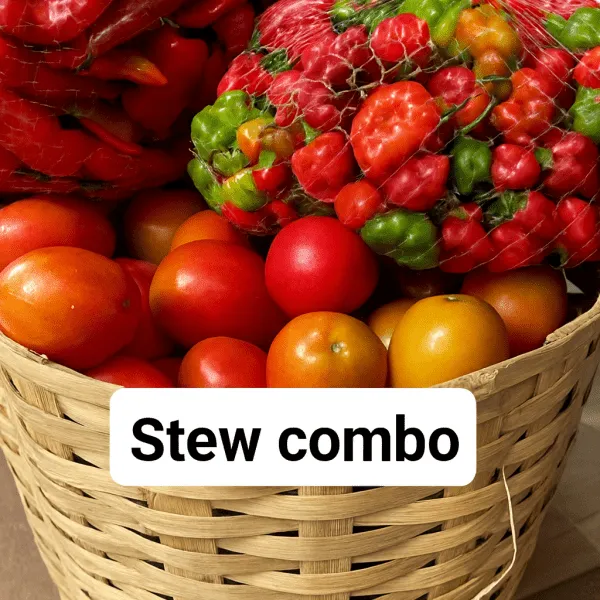
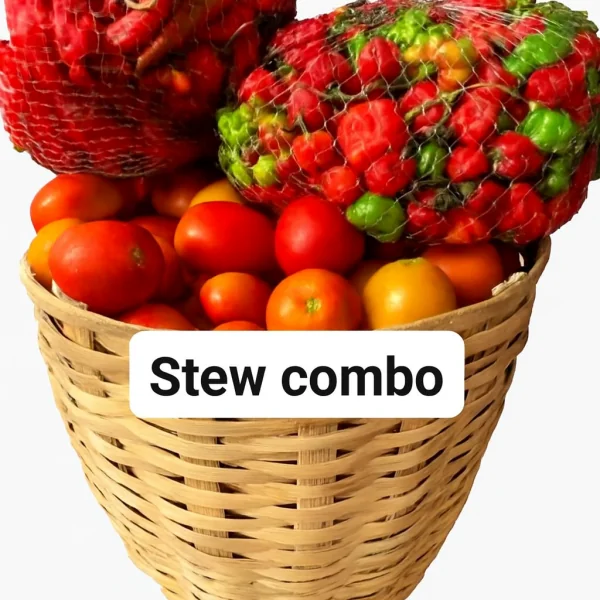
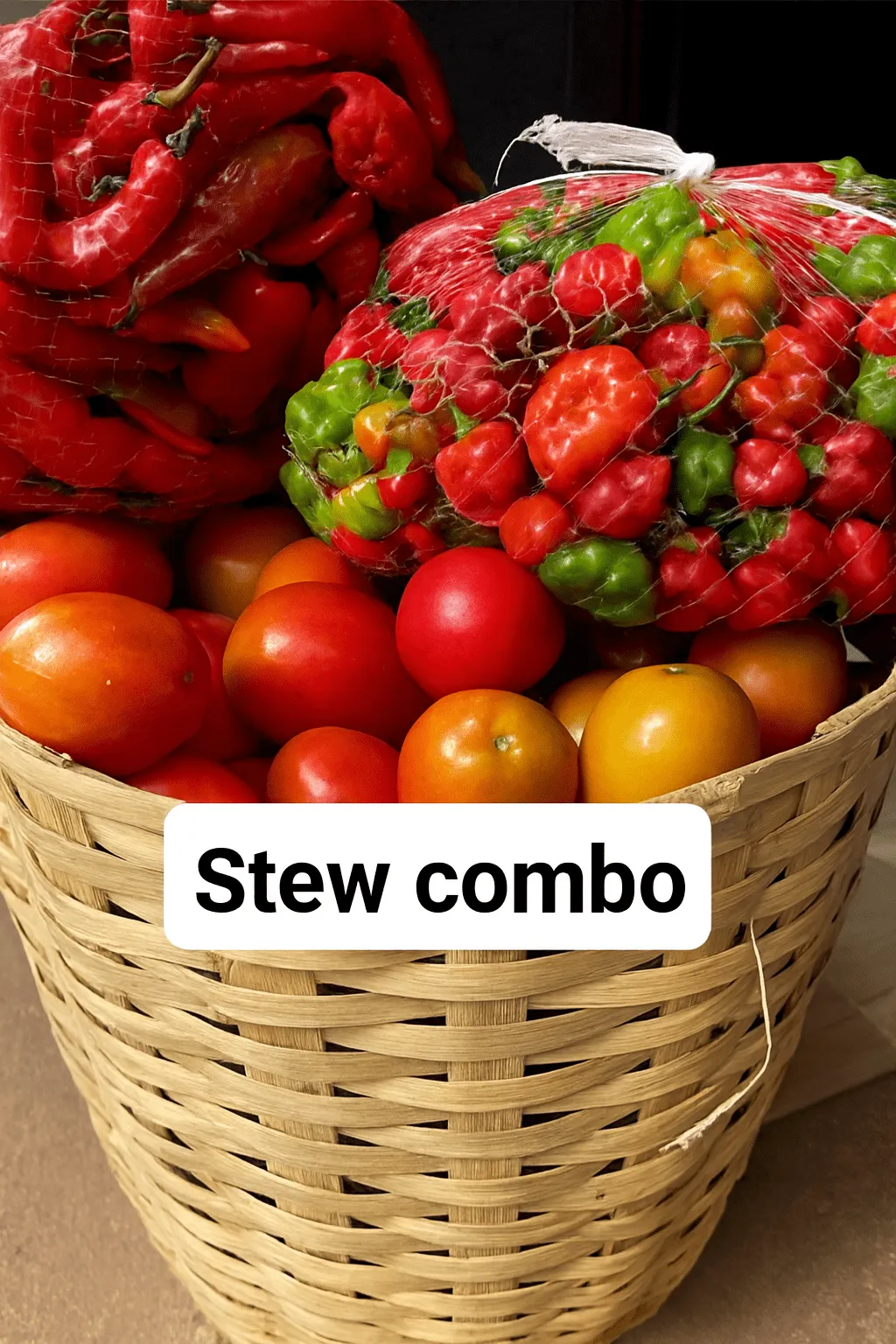
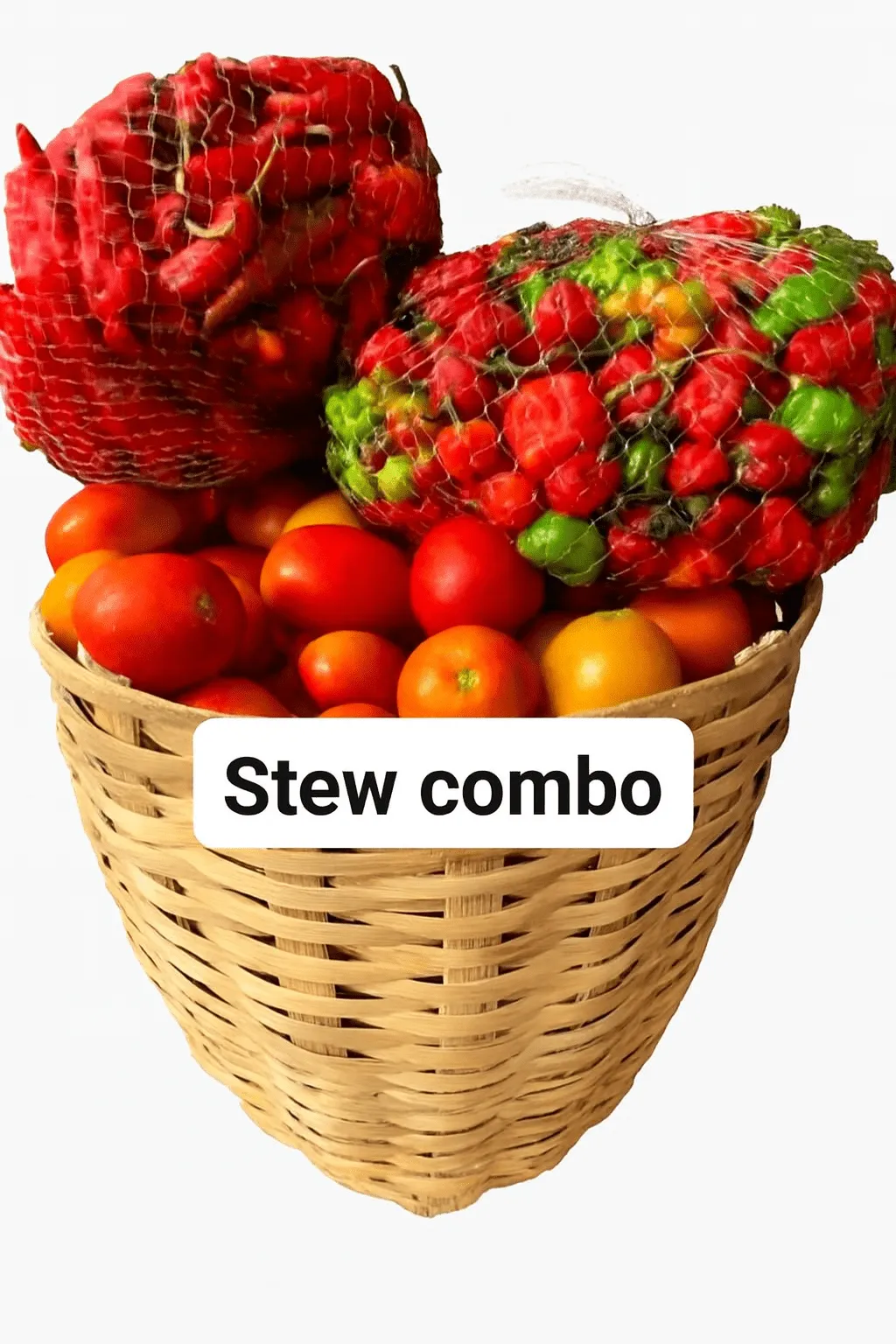
Stew Combo – Shombo, Rodo, Tomatoes & Onions
$14.79
Stew Combo — fresh Shombo, Rodo, tomatoes, and onions, all in one convenient pack for easy, flavorful cooking.
$ USD
Payment Methods and Risk Management
When engaging in agricultural product exportation from Africa to the international market, understanding secure payment methods is crucial. One of the most widely recommended options is a letter of credit (LC), which serves as a guarantee from the buyer’s bank to the seller’s bank that payment will be made once the terms of the contract are met. This method offers a level of security to both parties, ensuring that sellers receive their money before their products are shipped, and buyers receive the goods as specified.
Escrow services provide another layer of protection in international trade. In this scenario, a neutral third party holds the payment until both the buyer and seller fulfill their obligations. This reduces the risk of fraud since funds are released only when all conditions are satisfied, thus safeguarding both parties against potential scams that can occur in global trade.
Navigating the complex landscape of international transactions entails being aware of various fraud risks. Scammers often exploit gaps in communication and the relative anonymity of digital transactions. As a result, exporters should be cautious when interacting with new buyers, especially if they exhibit unusual behavior or resist standard payment methods. Conducting thorough due diligence is essential. This includes verifying the legitimacy of the buyer through references, checking their creditworthiness, and maintaining open lines of communication to assess their business practices.
Implementing escrow-style protections enhances trust in the transaction process and can create a more favorable environment for conducting business. Both buyers and sellers must be diligent in adopting secure payment methods and employing risk management strategies to mitigate potential losses. By prioritizing these practices, participants in agri-export can foster sustainable and mutually beneficial trade relationships on the international stage.




Bush Snails – 30 Medium Pieces
$25.79
Fresh, delicious, and perfect for your favorite traditional dishes!
$ USD
Scaling the Agricultural Export Business
As you venture into the agricultural export sector, understanding how to scale your business efficiently is crucial for long-term success. One effective strategy for scaling up is to build strong, enduring relationships with your buyers. Establishing rapport not only helps in retaining clients but also opens doors for referrals, which can significantly increase your market reach. It’s essential to communicate with your clients regularly and understand their needs, ensuring that you adapt your offerings accordingly.
Moreover, expanding your product range can be an effective way to scale your agricultural export business. By diversifying the products you offer, you can attract a broader audience and reduce the risks associated with depending on a single crop or export product. Researching market trends, understanding consumer preferences, and adapting your product line to meet these demands will enhance your business’s competitiveness in the global market.
Effective branding and positioning are also key elements in the scaling process. A strong brand identity can differentiate your offerings from those of competitors, creating recognition and loyalty among consumers. As you develop your brand, consider crafting a compelling narrative that highlights the unique attributes of your products, such as their origin, quality, and sustainability practices. Utilizing digital marketing platforms to position your brand effectively will help engage with your target market efficiently and attract international buyers.
Ultimately, the combination of building relationships, expanding product ranges, and implementing effective branding strategies will facilitate significant growth in your agricultural export business. By appreciating and leveraging these elements, you prepare yourself to not only meet the demands of an evolving market but to excel within it.
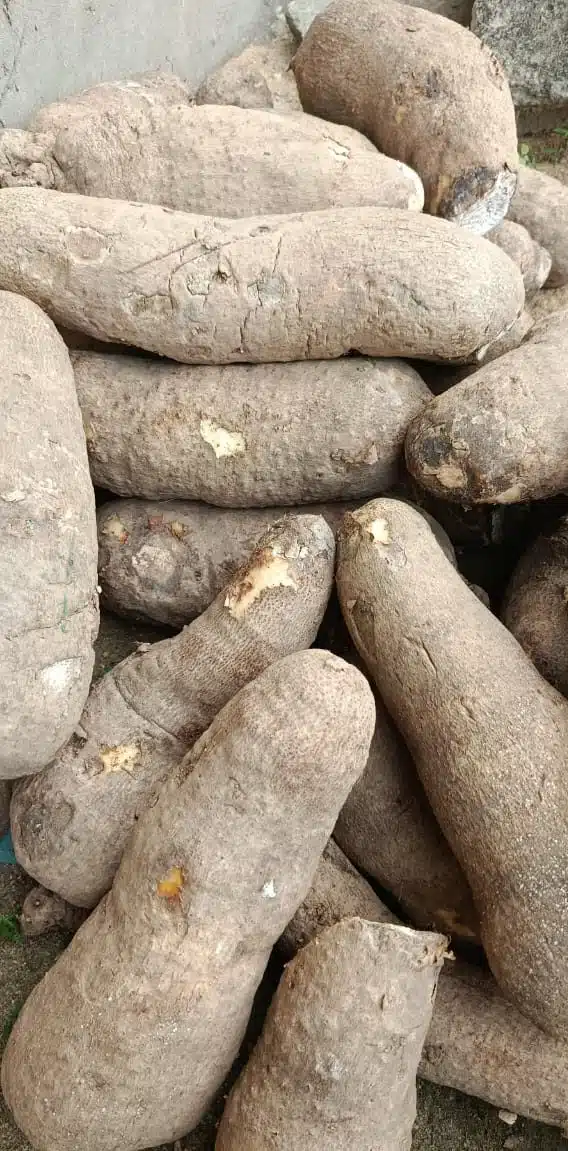
One Tuber of Yam
$0.98
Fresh, high-quality yam tuber, perfect for your meals and traditional dishes. Naturally grown and carefully selected for size and quality.
$ USD
Common Mistakes to Avoid
Entering the agricultural exportation market can be a lucrative endeavour for many African producers. However, several common mistakes can hinder success if not carefully navigated. One of the most significant pitfalls is poor quality control. Ensuring that products meet international quality standards is essential for maintaining buyer trust and securing repeat business. Implementing stringent quality assurance measures and regular product checks can help mitigate this risk.
Another mistake frequently seen in agricultural exportation is incorrect pricing. Determining a competitive price that accounts for production costs, shipping fees, and market rates is crucial. Overpricing can deter potential buyers, while underpricing might lead to financial losses. Engaging in market research and using pricing strategies, such as cost-plus pricing or competitor analysis, can aid exporters in setting the right price point.
Inadequate documentation represents another barrier to successful exportation. Insufficient paperwork can lead to delays at customs, fines, or cargo being rejected. Exporters should familiarize themselves with the required documentation for their products, which may include export permits, phytosanitary certificates, and invoices. Consulting with trade experts or freight forwarders can provide insights into necessary paperwork and streamline the export process.
Lastly, establishing trust with buyers is vital in the exportation realm. Trust-related concerns can arise from miscommunication, lack of transparency, or delayed shipments. To cultivate a positive relationship, exporters should maintain open lines of communication, provide updates on shipment statuses, and be honest about potential challenges. Building a reputation for reliability can significantly enhance relationships with international buyers, contributing to long-term success in the agricultural export market.

Nembe Native Crayfish – Custard Rubber
$5.91
Premium Nembe native crayfish neatly packed in a custard rubber. Clean, naturally aromatic, and perfect for soups and traditional dishes.
$ USD
Conclusion
In navigating the path of agricultural product exportation from Africa to the international market, it is crucial for aspiring exporters to begin their journey with a strategic approach. Starting small allows individuals to gain valuable experience in understanding the nuances of the export industry. It also permits the gradual honing of business operations, enabling exporters to learn from setbacks and refine their strategies effectively.
As you engage in agricultural product exportation, consider leveraging trusted platforms like comilmart. Such platforms not only provide access to a wider network but also offer essential tools that can facilitate smoother transactions. The importance of engaging with reputable partners cannot be overstated as it fosters a sense of reliability and security in the export operations.
The agricultural export business possesses immense potential for growth and profitability. The global demand for diverse agricultural products has been consistently rising, presenting substantial opportunities for new entrants. With the right strategies in place, exporters can successfully tap into well-paying markets and contribute to the economic development of their regions. Thus, a confident approach and commitment to improving one’s knowledge and operational capabilities can yield lucrative rewards.
In conclusion, the agricultural exportation landscape is ripe with opportunities for those willing to learn and adapt. By starting small, utilizing reliable platforms such as comilmart, and progressively scaling operations, aspiring exporters can navigate this dynamic market effectively. The journey may be challenging, but with dedication and perseverance, the rewards of participating in the agricultural export business can be significant.