

















Introduction
The global landscape of food (African Non GMO Crops) consumption is undergoing a significant transformation, reflecting a growing awareness and preference for health-conscious choices among consumers. As people increasingly seek healthier, natural options, there is a marked shift in demand from genetically modified organisms (GMOs) towards non-GMO products. This trend underscores a broader movement towards sustainability and natural farming practices, appealing to a health-oriented consumer base.
Click here to start selling on Comilmart
Within this context, African non-GMO crops are emerging as a crucial player in the global health markets. Africa’s diverse agricultural heritage offers a wealth of indigenous crops that are cultivated without the use of genetic modification techniques. As global health markets expand, the significance of sourcing non-GMO crops from Africa cannot be overstated. The continent’s favorable climate and rich biodiversity provide optimal conditions for cultivating a variety of crops that meet the rising consumer demand for natural food sources.
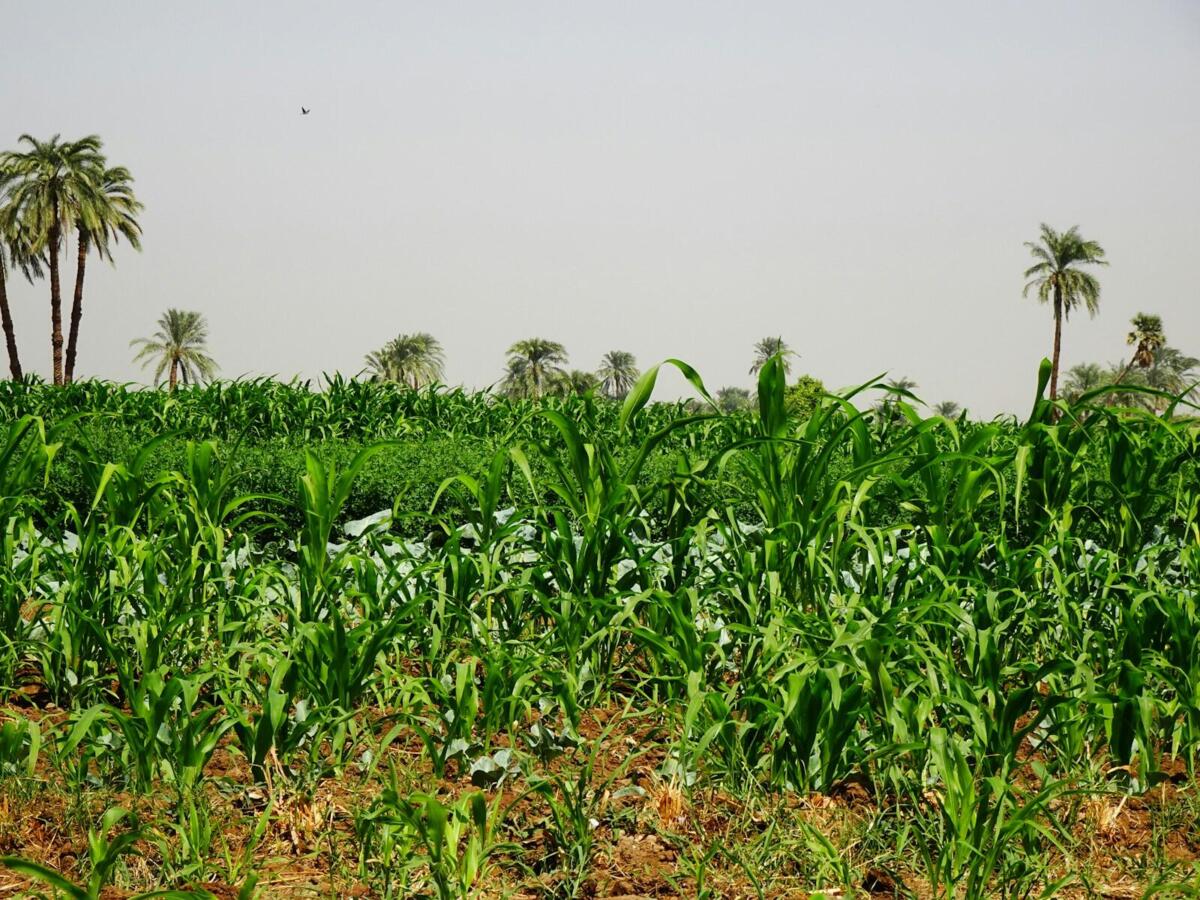
Moreover, the preference for non-GMO foods is not solely based on health benefits; it is also intertwined with ethical and environmental considerations. Many consumers are concerned about the impact of GMOs on ecological balance and biodiversity, making non-GMO crops more appealing as they often promote sustainable farming practices. This creates an opportunity for African farmers, who are increasingly adopting organic methods and traditional farming practices that align with these consumer values.
As we delve deeper into the reasons why African non-GMO crops are becoming the top choice for health markets worldwide, it is essential to understand the implications of this trend. By aligning agricultural practices with global market demands, Africa stands to enhance its position as a leading supplier of healthier food choices, ultimately contributing to improved global health outcomes.
Understanding Non-GMO Crops
Non-GMO crops refer to agricultural products that have not been genetically modified through genetic engineering techniques. Unlike genetically modified organisms (GMOs), which may undergo alterations in their DNA to achieve desired traits such as pest resistance or enhanced nutritional content, non-GMO crops retain their natural genetic makeup. These crops arise from traditional breeding methods, which include selection and cross-breeding, allowing them to adapt to various environmental challenges without the infusion of foreign genes.
The growing consumer concern surrounding GMOs largely stems from potential health risks, environmental issues, and ethical considerations. While the scientific community continues to engage in extensive research, many individuals express skepticism regarding the long-term impacts of consuming genetically modified food products. This apprehension has led consumers to seek alternatives, resulting in a heightened demand for non-GMO crops.
Non-GMO crops are often associated with various advantages, including the notion of being more natural and potentially safer for human consumption. Moreover, consumers are increasingly aware of how agricultural practices can affect environmental sustainability. Non-GMO cultivation methods typically emphasize biodiversity and ecological balance, which can lead to a lower ecological footprint when compared to large-scale GMO farming operations. These practices resonate well with individuals who prioritize environmental stewardship and sustainable farming methods.
In addition to health and environmental implications, the market for non-GMO crops continues to expand as consumers educate themselves about their food choices. As stakeholders in the global health markets, consumers become imperative to shaping agricultural practices and policies. The movement towards non-GMO products signifies not just a dietary preference but also a broader appeal for transparency and responsibility in food sourcing.
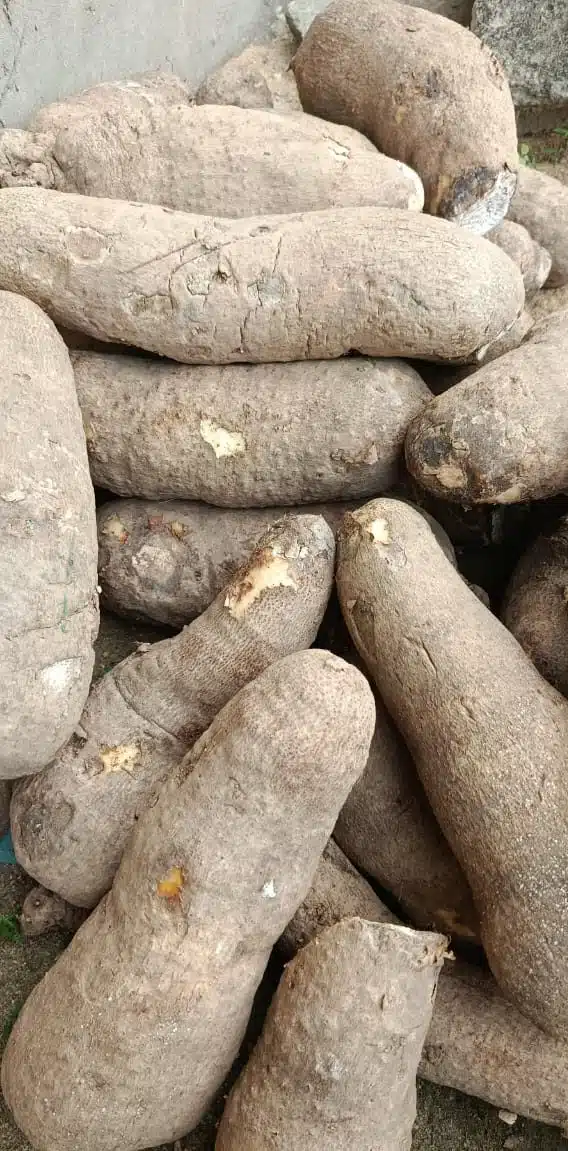
One Tuber of Yam
$0.98
Fresh, high-quality yam tuber, perfect for your meals and traditional dishes. Naturally grown and carefully selected for size and quality.
$ USD
Why African Crops Are Naturally Non-GMO
African crops have gained significant attention for their inherent non-GMO status, primarily due to traditional farming methods and the continent’s rich agricultural heritage. Unlike many regions that focus on industrial-scale agriculture backed by genetic modification technologies, African farmers often adhere to time-honored practices that emphasize sustainability. These practices include the use of organic seeds and natural pest management techniques, fostering an ecosystem where crops can thrive without synthetic interventions.
Indigenous agricultural techniques play a crucial role in the cultivation of non-GMO crops across Africa. Many communities have cultivated local varieties of grains, legumes, and vegetables for generations, selecting plants that are well adapted to their particular environments. This crop selection process, based on centuries of knowledge, results in a diverse range of foods that do not involve genetic modifications. This diversity not only supports local diets but also contributes to food security and nutritional resilience, which are vital for health markets.
An additional factor contributing to the non-GMO status of African crops is the legislative framework in various countries that restricts the use of genetically modified organisms. Such regulations safeguard traditional farming methods while promoting local agriculture. Furthermore, there is a growing recognition among consumers, especially in health-conscious markets, about the benefits of non-GMO foods, prompting increased demand for African agricultural products. The shift towards natural farming aligns with global trends prioritizing health and sustainability, further solidifying the appeal of African crops.
In light of these practices and regulations, the perception of African agricultural products is increasingly positive. By emphasizing non-GMO cultivation methods, African countries are positioning themselves as leaders in the global movement towards healthier food options.

Product on sale
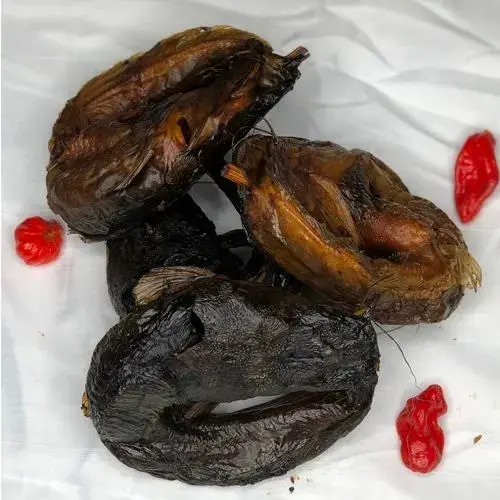
Charcoal Smoked Catfish – 1kg – 4pieces
Original price was: $10.00.$8.48Current price is: $8.48.
Charcoal smoked catfish is a traditional Nigerian delicacy made by slowly smoking fresh catfish over natural charcoal. This process infuses the fish with a rich, smoky flavor while preserving its nutrients and extending shelf life. Each 1kg pack contains 4 pieces, carefully cleaned, lightly salted, and ready to cook. Ideal for soups, stews, or as a protein-rich snack, it’s sand-free and hygienically prepared for convenience and taste.
$ USD
Health Benefits of Non-GMO Foods
Non-GMO foods have garnered significant attention in recent years due to the increasing awareness of their health benefits. One prominent advantage is their nutritional profile. Non-GMO crops are often cultivated using traditional farming methods, allowing for a richer expression of flavor and nutrient density. For instance, studies indicate that non-GMO fruits and vegetables tend to contain higher levels of vitamins, minerals, and antioxidants compared to their genetically modified counterparts, providing a greater boost to overall health.
Another vital aspect is the reduction of chemical exposure associated with non-GMO foods. Genetically modified organisms (GMOs) often require the use of herbicides and pesticides that can leave harmful residues on food products. In contrast, non-GMO farming practices prioritize natural alternatives, resulting in a lower chemical burden for consumers. This reduced exposure can have protective benefits, particularly concerning long-term health outcomes.
Furthermore, consumer perception plays an essential role in the rising popularity of non-GMO foods. Many individuals associate non-GMO options with higher safety, quality, and sustainability standards. This trust is pivotal for health-conscious consumers, who often prefer products that do not contain genetically modified ingredients. Purchasing non-GMO foods fosters a sense of empowerment, as individuals make informed choices that align with their values regarding health and the environment.
In summary, the health benefits of non-GMO foods extend beyond mere nutrition. They encompass a combination of enhanced nutrient content, reduced chemical exposure, and a heightened sense of consumer trust. As the global health market continues to evolve, the preference for non-GMO crops, particularly from regions like Africa, is likely to strengthen, reflecting a significant shift towards healthier food options.


Product on sale
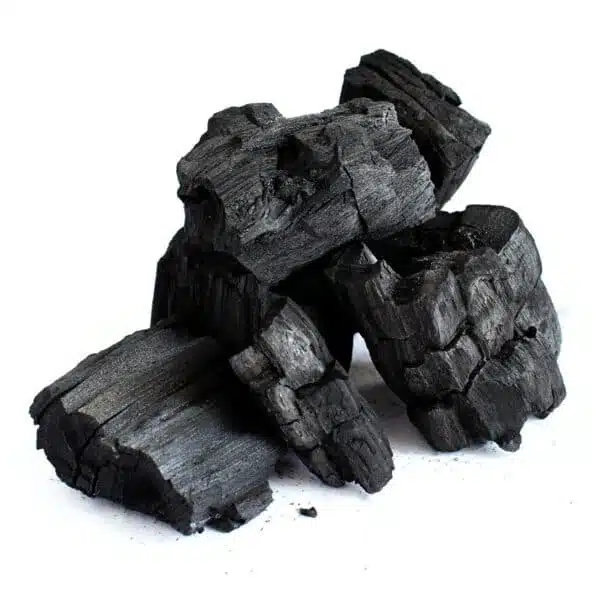
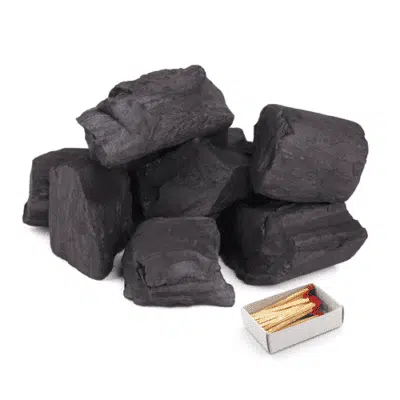
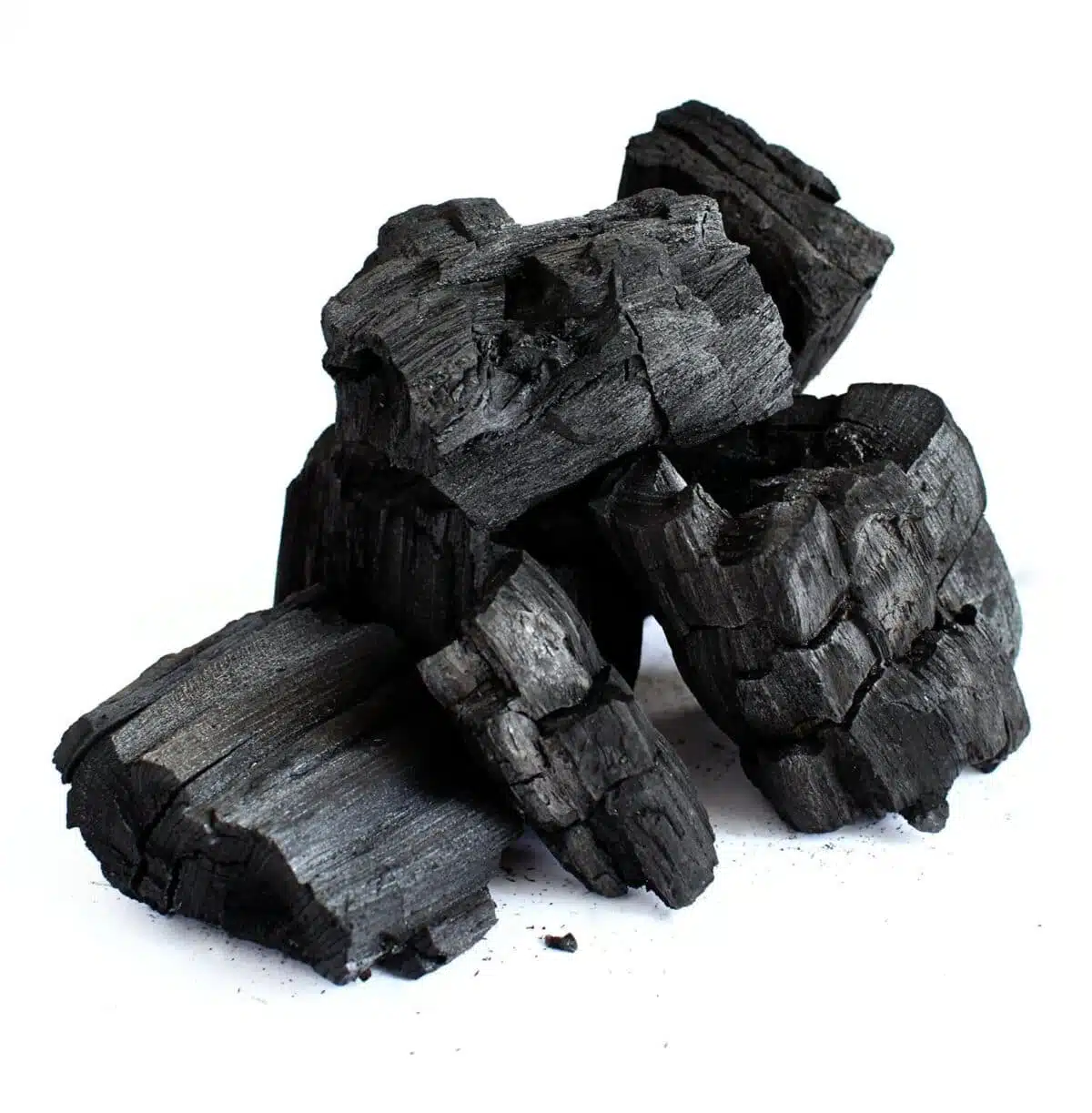
20kg Premium Hardwood Lump Charcoal
Original price was: $2.50.$2.10Current price is: $2.10.
Elevate your grilling experience with our premium hardwood lump charcoal. Crafted from 100% natural hardwoods, this charcoal offers superior flavor, consistent heat, and extended burn times for all your BBQ needs. Ideal for both grilling and smoking, it lights quickly and burns clean, leaving minimal ash. Perfect for kamado grills, smokers, and traditional barbecues, our hardwood charcoal imparts a rich, authentic smoky taste to meats, vegetables, and more. Experience restaurant-quality results in your backyard with this high-performance, eco-friendly fuel. Enhance your outdoor cooking with our top-rated, all-natural hardwood lump charcoal, designed for discerning grill masters.
The minimum quantity order is 40ft container (20 to 22 metric ton)
20000 in stock
$ USD
Top African Non-GMO Crops in High Demand
Africa is home to numerous non-genetically modified organisms (non-GMO) crops that are increasingly gaining traction in global health markets. These crops are not only vital to the local economies of producing countries but are also sought after for their health benefits and nutritional value. Below are some notable non-GMO crops from Africa that are in high demand.
Cocoa is primarily cultivated in West African countries, including Ivory Coast, Ghana, and Nigeria. Known for its rich flavor and health benefits, cocoa is a key ingredient in various products, notably chocolate. The global demand for sustainably sourced cocoa is on the rise, making it a lucrative crop for African farmers.
Sesame seeds, particularly from countries like Ethiopia and Nigeria, are recognized for their oil content and nutritional properties. They are used not only in food products but also in cosmetics and pharmaceuticals. The growing awareness of the health advantages associated with sesame is fueling their demand on the international stage.
Ginger, predominantly grown in countries such as Nigeria, is valued for its medicinal properties and culinary applications. With the global spice market expanding, the demand for African non-GMO ginger has surged.
Hibiscus flower, cultivated mainly in countries like Sudan and Egypt, is celebrated for its antioxidant-rich properties. It’s commonly used in teas and herbal beverages, contributing to a notable increase in market interest.
Cashew nuts, primarily produced in Mozambique and Nigeria, have seen a spike in demand due to their health benefits and versatility. This nut is not only consumed as a snack but is also utilized in numerous culinary applications.
Soybeans, particularly from South Africa and Zambia, are essential in producing a variety of health-food products. The increasing trend towards plant-based diets is elevating the demand for non-GMO soybeans within health markets.
Palm oil from Nigeria and Ghana is utilized in cooking and food processing. With a growing focus on sustainable sourcing, the demand for responsibly produced palm oil is gathering momentum.
Lastly, bitter kola, predominantly found in West African nations, is prized for its medicinal properties and is becoming increasingly popular in health supplements. This crop underlines the potential of African agriculture in addressing global health needs.
The market dynamics surrounding these crops demonstrate not only the agricultural diversity of the African continent but also its potential to significantly contribute to global health and nutrition.

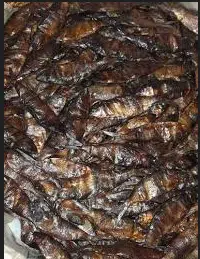
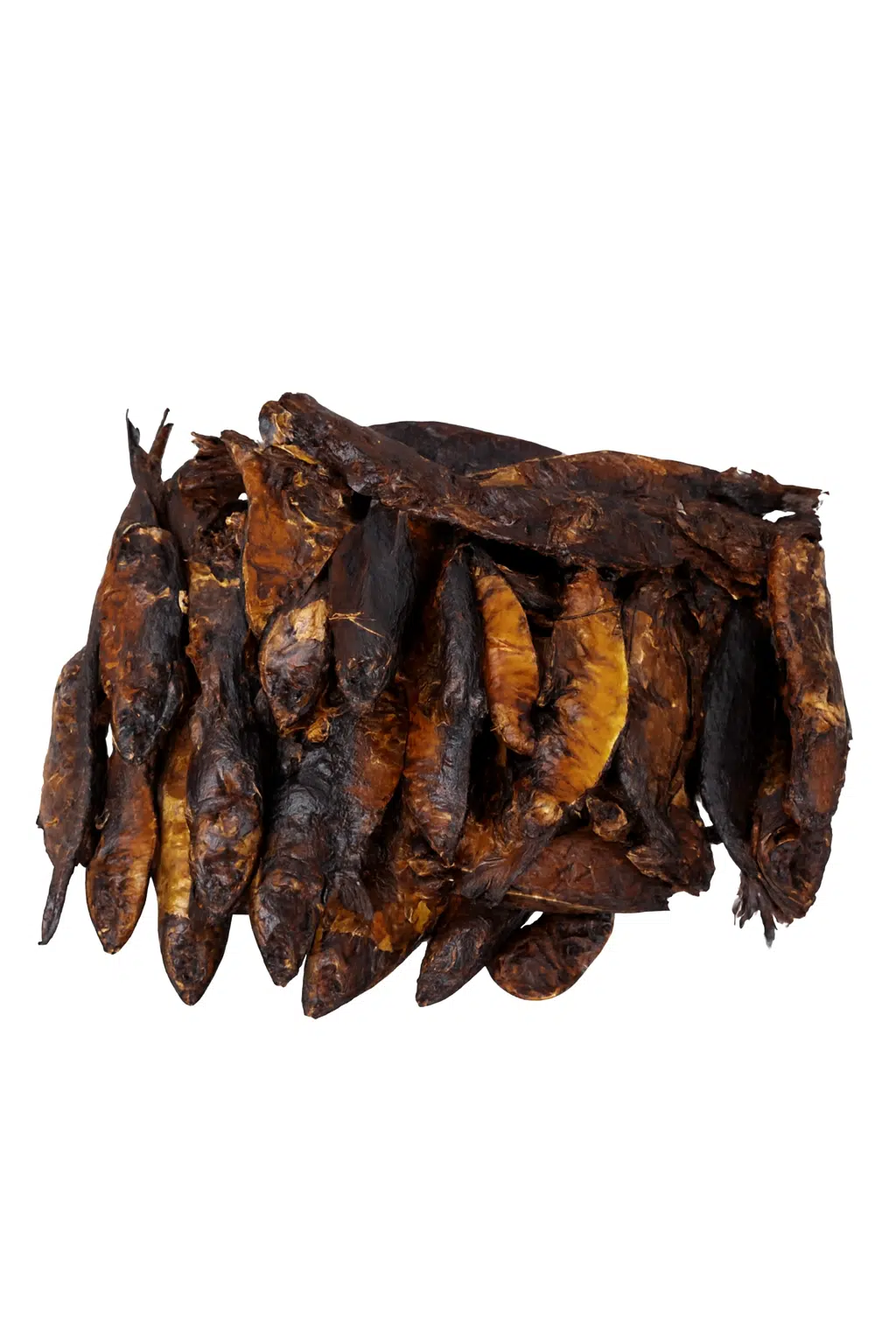
Fresh Mangala Fish – Premium Quality for Delicious Meals
$33.08
Discover the exquisite taste and nutritional benefits of our fresh Mangala Fish. Sourced responsibly and delivered with care, this premium fish is perfect for a variety of culinary creations, from grilling and frying to curries and stews. Known for its firm texture and mild, sweet flavor, Mangala Fish is a versatile ingredient that elevates any meal. Rich in Omega-3 fatty acids, protein, and essential vitamins, it’s a healthy choice for the whole family. Our Mangala Fish is carefully inspected to ensure the highest quality and freshness, making it an ideal option for health-conscious foodies and professional chefs alike. Enhance your cooking with this delightful and nutritious seafood option.
$ USD
Why Global Health Markets Prefer African Crops
The global health markets are increasingly gravitating towards African non-GMO crops for a myriad of reasons that collectively emphasize their appeal. First and foremost is the organic nature of these produce offerings. Many markets, notably those in Europe and North America, are experiencing a growing demand for organic products that are free from genetically modified organisms. African farmers often utilize traditional farming methods that eschew synthetic pesticides and fertilizers, hence delivering products that resonate with health-conscious consumers.
Another pivotal factor is the authenticity and traceability of African crops. In a world where consumers are becoming increasingly aware of the origin of their food, the transparency offered by African farming practices stands out. Many African farmers provide detailed information regarding the cultivation and harvesting processes of their produce. This traceability not only enhances trust but also aligns with the global emphasis on food safety and quality.
Moreover, competitive pricing plays a critical role in the global appeal of African non-GMO products. Compared to other regions, the cost of production in several African countries can be significantly lower, enabling them to offer products at competitive rates without compromising on quality. This pricing strategy allows international buyers to procure high-quality non-GMO crops without incurring excessive costs, making them an attractive option in a competitive marketplace.
As these factors coalesce, they form a compelling argument for why global health markets are increasingly opting for African crops. The intersection of organic appeal, authenticity, traceability, and competitive pricing contributes to a clear and favorable perception in the international arena. Such characteristics foster a sustainable and profitable relationship between African farmers and global health markets, which benefits both parties and promotes healthier food choices worldwide.
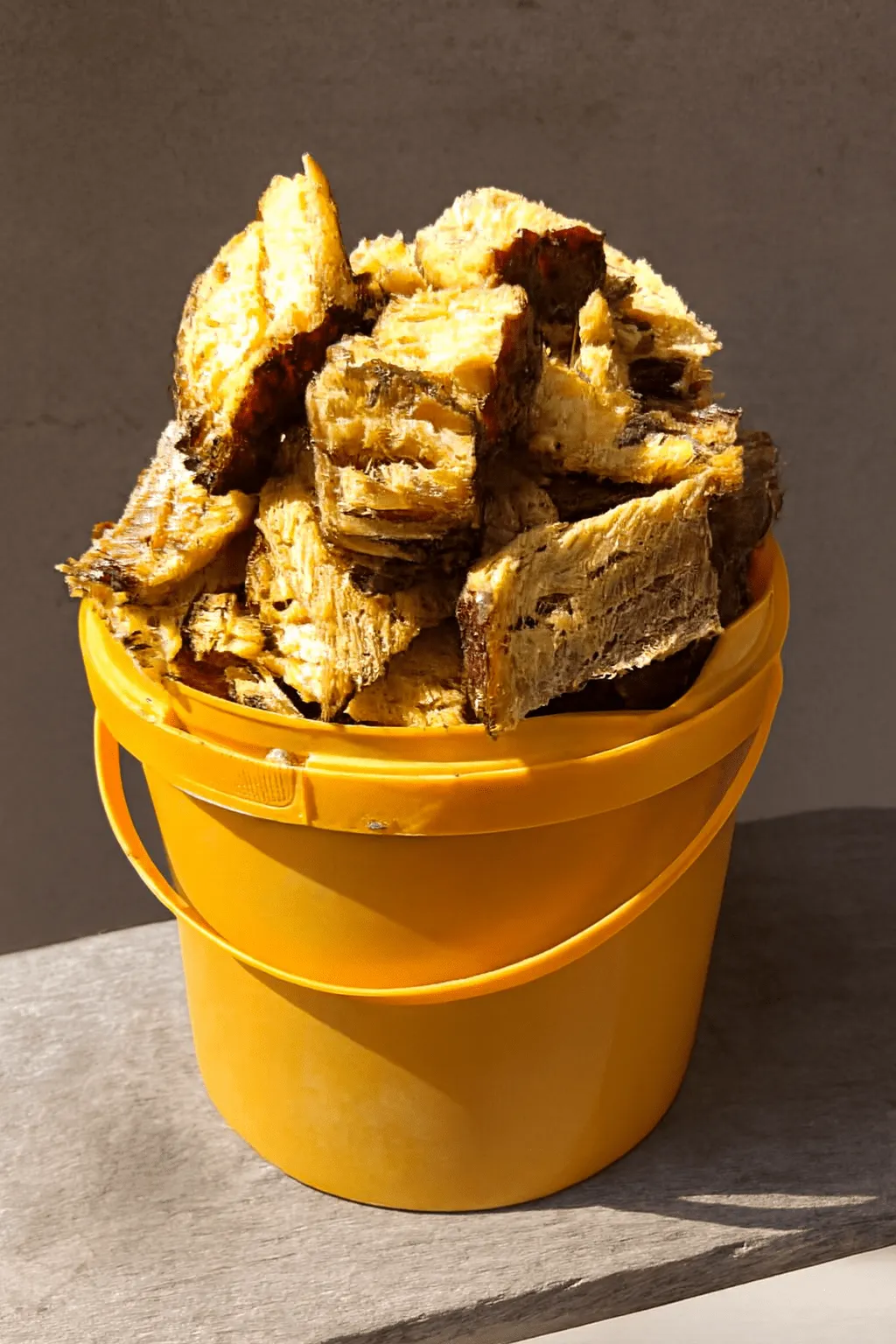
“Mangala Fish
$42.66
“Mangala Fish – a smoky, flavorful Nigerian delicacy, carefully smoked to preserve freshness and enhance taste, perfect for soups and stews.”
$ USD
Economic Opportunities in African Agro Exports
African agro exports, particularly those centered around non-GMO crops, are increasingly recognized for their economic potential. With a growing global demand for clean and sustainably produced food, African nations are strategically positioned to tap into this burgeoning market. The emphasis on non-GMO crops aligns with the preferences of health-conscious consumers around the world, creating a unique selling proposition that can significantly enhance Africa’s presence in global trade.
The export market for non-GMO crops within Africa is expanding, driven by factors such as better agronomic practices and an increase in production capacity. As African farmers shift towards non-GMO farming techniques, they not only meet the stringent requirements of international markets but also enhance local food security. This evolution in agricultural practices supports the notion that non-GMO crops can yield economic benefits while catering to a health-focused clientele. Consequently, these crops pave the way for greater export volumes and increased revenue streams for participating nations.
Moreover, as the agricultural sector continues to expand, significant potential for job creation arises in areas such as farming, processing, and distribution. Employment opportunities in agriculture can help alleviate poverty and boost local economies, particularly in rural areas where farming is a primary source of livelihood. In this regard, fostering sustainable agricultural practices aligns with long-term economic development goals across various African regions.
Establishing robust global trade partnerships is paramount for maximizing the benefits associated with African agro exports. Such partnerships enable knowledge exchange, technology transfer, and access to wider markets, facilitating a shared developmental trajectory. When international markets engage with African nations, both entities stand to gain, creating a dynamic interaction that promotes growth in the agricultural sector.
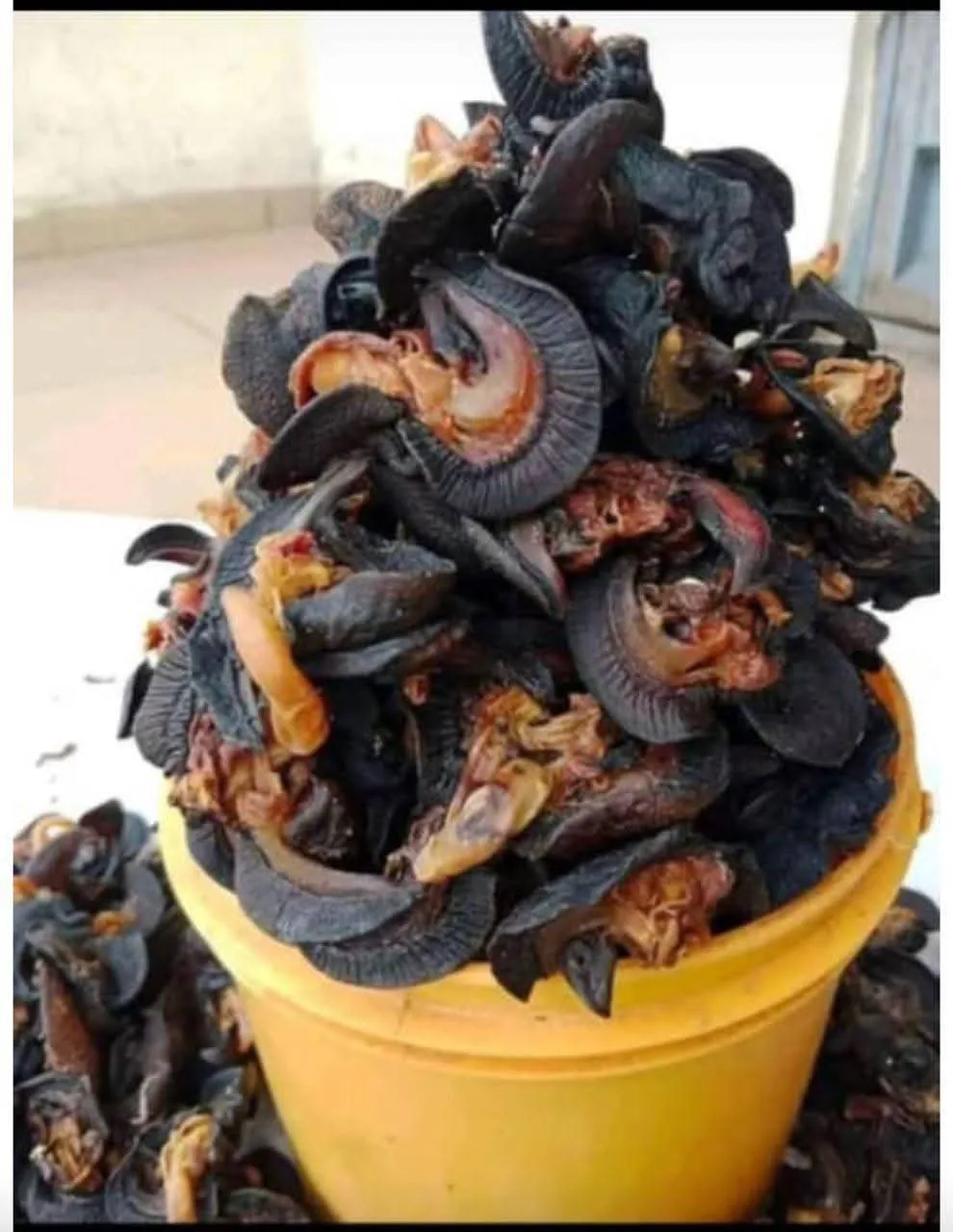
“Big Size – 100 pieces
$91.88
“Big Size – 100 pieces of reliable, high-quality items, perfectly packed for bulk convenience and everyday use.”
$ USD
Challenges in Sourcing Non-GMO Crops from Africa
Sourcing non-GMO crops from Africa can present a range of challenges that require careful navigation by buyers. One of the most significant hurdles is the verification of non-GMO claims. In many regions, the systems for certifying non-GMO status may be less developed compared to countries with established agricultural infrastructures. Buyers must often rely on documentation and assurances from suppliers, which can vary significantly in reliability. This lack of standardized verification systems can lead to hesitance among buyers who prioritize transparency and trust in their sourcing processes.
Moreover, logistical concerns compound the difficulties in sourcing non-GMO crops from Africa. The continent encompasses diverse geographic regions with varying infrastructure capabilities. Factors such as transportation, storage facilities, and access to markets can affect the timely delivery of crops. Insufficient transportation networks or delays at ports can complicate the supply chain, causing potential shortages and price fluctuations. Buyers may also face challenges related to the perishability of certain crops, making swift and efficient logistics crucial.
Reliability of suppliers is another key issue for buyers seeking non-GMO crops from Africa. The agricultural landscape can be fragmented, with numerous smallholders contributing to the market. While this diversity can enhance the availability of specific non-GMO crops, it can also lead to inconsistencies in crop quality and supply. Establishing long-term relationships with trustworthy suppliers is essential, yet it requires time investment and due diligence. Buyers must often conduct on-the-ground assessments to ensure that suppliers adhere to non-GMO farming practices rigorously.
Product on sale
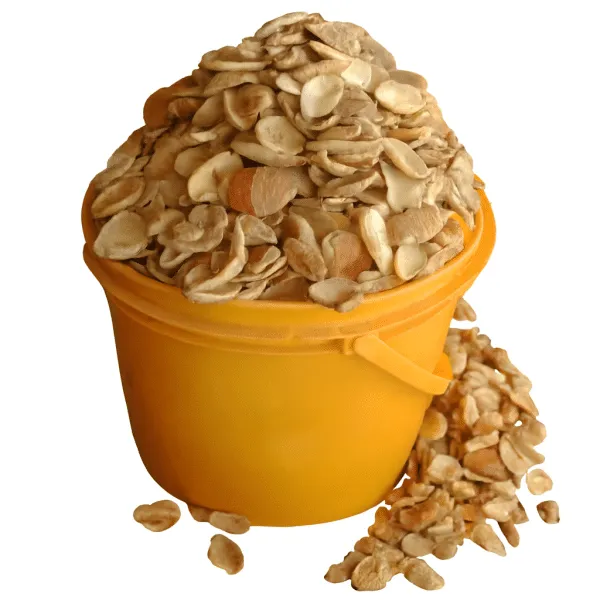
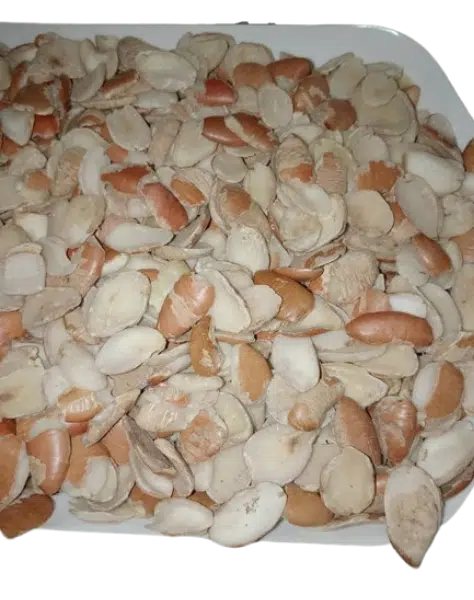
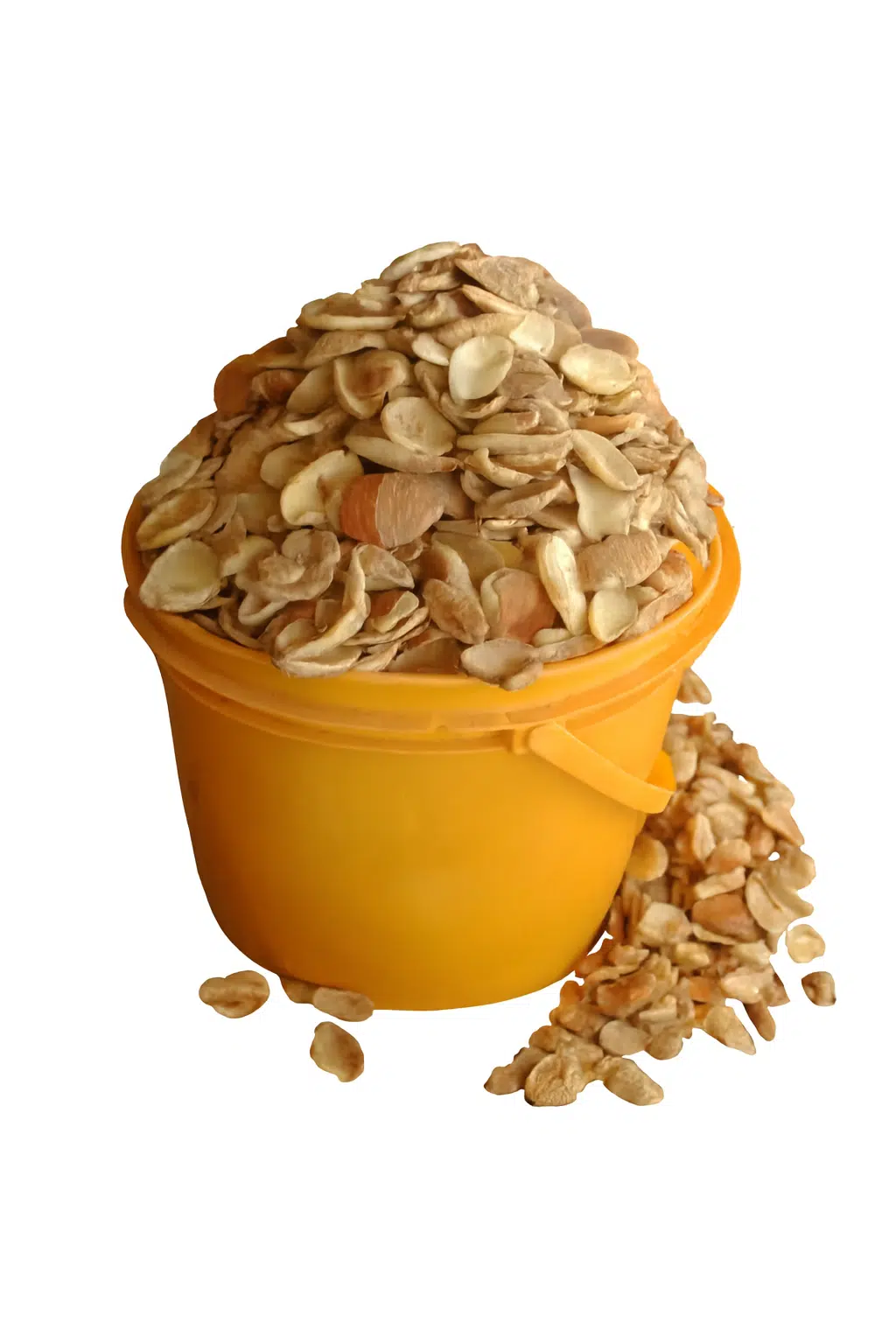
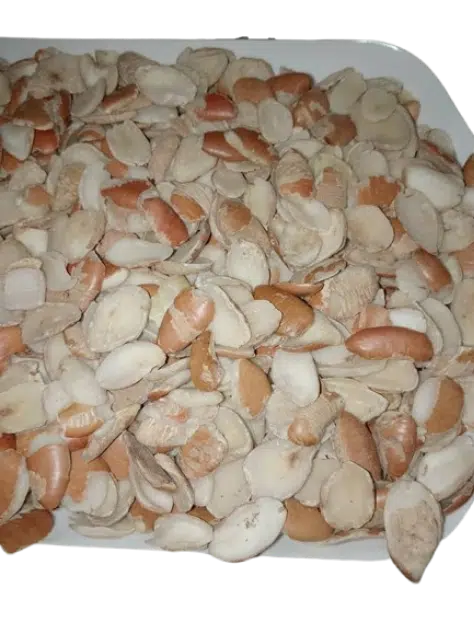
Ador Natural Ogbono (Per Custard)
Original price was: $32.50.$29.23Current price is: $29.23.
Enjoy the rich taste and aroma of Ador Natural Ogbono from Kenvic Edibles. Perfect for soups and stews, it cooks well, smells amazing, and draws beautifully. Order now for a delicious meal!
$ USD
How to Source Non-GMO Products from Africa Safely
Sourcing non-GMO products from Africa involves various crucial steps that ensure the integrity of the supply chain and compliance with global health standards. As global demand for non-GMO crops increases, buyers must adopt best practices to ensure safe sourcing.
The first step in sourcing non-GMO products safely is to conduct thorough supplier verification. It is essential to research and identify reputable suppliers who specialize in non-GMO crops. Engage with suppliers who are transparent about their farming practices and supply chain logistics. This will help mitigate risks associated with potential contamination and ensure that the products meet the required non-GMO standards.
Obtaining the necessary certifications is another crucial aspect. These certifications often include international standards such as the Non-GMO Project Verified seal or other reputable organic certifications. Ensure that the suppliers can provide documentation that verifies that their products are indeed non-GMO. This practice not only protects buyers but also instills trust and credibility in the transaction.
Furthermore, conducting sample testing prior to bulk purchasing can significantly reduce risks. By testing small samples from potential suppliers, buyers can confirm that the products meet their specific requirements. This process also allows for assessing the quality of the goods before committing to larger orders.
In today’s digital age, leveraging online marketplaces dedicated to non-GMO products can also prove beneficial. These platforms often provide detailed supplier profiles, customer reviews, and an assurance of product authenticity. By utilizing these marketplaces, buyers can easily compare offerings and make informed decisions.
In conclusion, sourcing non-GMO products from Africa can be a safe and rewarding venture when approached methodically. By implementing supplier verification, ensuring proper certifications, conducting testing, and utilizing digital marketplaces, international buyers can enhance their sourcing practices and support sustainable agriculture.

Product on sale
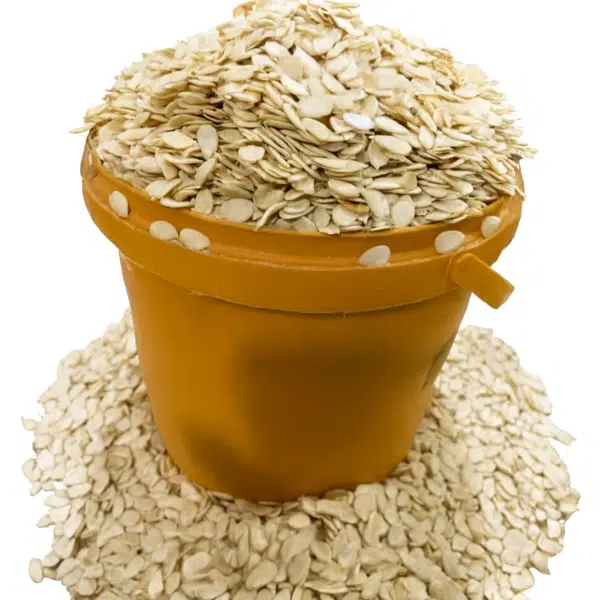
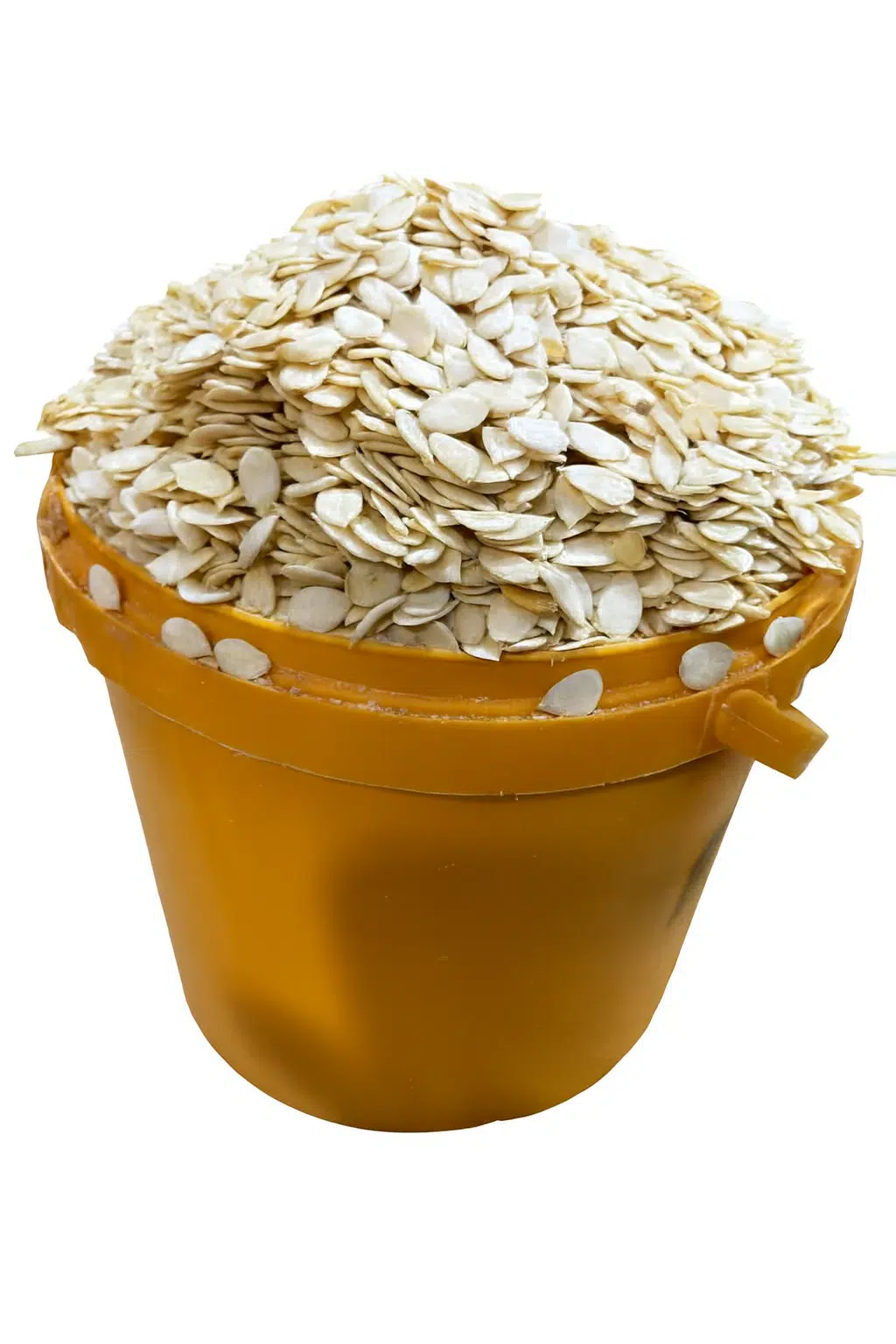
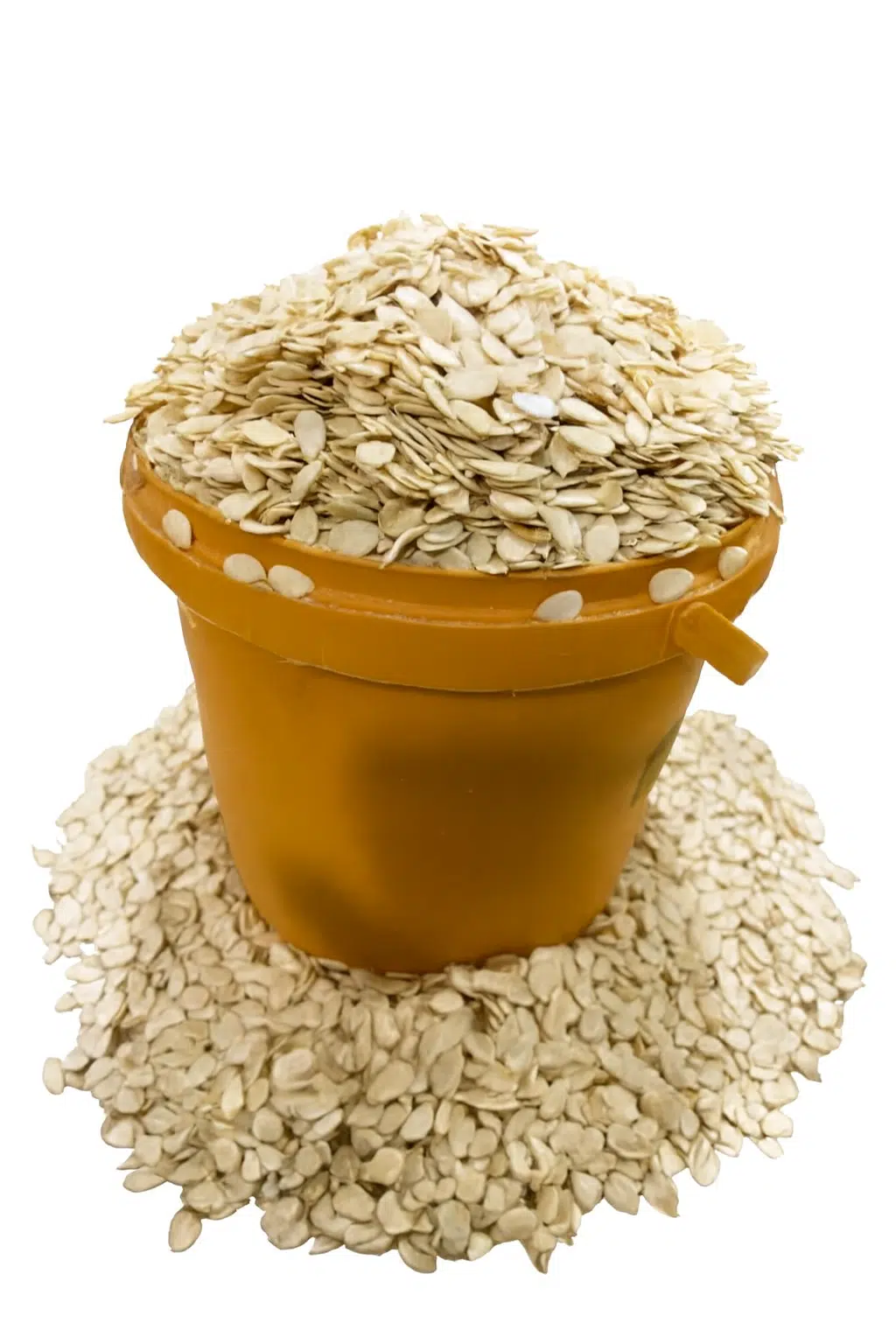
GoldenTots – Melon: A Custard
Original price was: $20.00.$17.67Current price is: $17.67.
Sweet, creamy, and ready to enjoy! GoldenTots Melon: A Custard brings natural melon flavor to your desserts and snacks.
$ USD
Role of Digital Platforms (Comilmart)
In the contemporary agricultural landscape, digital platforms have emerged as pivotal tools in enhancing the relationship between buyers and sellers, particularly in the non-GMO crop market. Comilmart serves as a noteworthy example of these digital platforms, facilitating connections that transcend geographical barriers while promoting the trade of verified non-GMO crops. This innovative framework allows farmers and vendors to showcase their produce, ensuring that buyers can access reliable suppliers of non-GMO options.
One of the key advantages of platforms like Comilmart is the emphasis on verified vendors. The vetting process ensures that only reputable sellers are allowed to participate, fostering trust among buyers who prioritize quality and authenticity in their agricultural purchases. This layer of security is critical in a market where consumers are increasingly concerned about the provenance and integrity of their food.
Furthermore, Comilmart simplifies the sourcing process by integrating technology that allows for efficient communication and streamlined transactions. Buyers can easily browse through a range of non-GMO crops, compare prices, and make informed decisions within moments. This not only saves time but also reduces the logistical challenges associated with sourcing agricultural products.
Security is another vital aspect of Comilmart’s operation. The platform supports secure transactions, assuring users that their financial and personal information is safeguarded during the purchasing process. Such security measures are fundamental in preserving buyer confidence, particularly when engaging with new suppliers for the first time.
Ultimately, the role of digital platforms like Comilmart in the non-GMO agriculture sector is instrumental in promoting sustainable farming practices while enhancing market accessibility for all stakeholders involved. The combination of verified vendors, secure transactions, and a simplified sourcing process contributes to a more resilient and transparent agricultural marketplace.
Product on sale
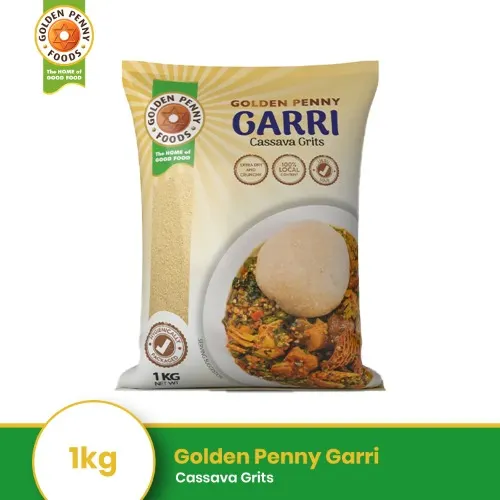
Golden Penny Garri- Cassava Grits – 1kg
Original price was: $5.30.$2.60Current price is: $2.60.
Honeywell Semolina – 1kg x 10 Packs is a premium-quality semolina made from 100% durum wheat, renowned for its superfine texture and creamy color. Fortified with essential vitamins, including Vitamin A, it offers a nutritious option for traditional Nigerian meals like swallow dishes. Its high water absorption ensures a higher yield, making it both economical and satisfying.
$ USD
Future Trends in Non-GMO and Organic Markets (2026)
The global market for non-GMO and organic crops is on a promising trajectory as we approach 2026. A significant increase in demand reflects a heightened consumer awareness regarding health, nutrition, and environmental sustainability. As more individuals seek alternatives to genetically modified organisms (GMOs), farmers and producers are increasingly turning to non-GMO methods and organic practices. This shift not only emphasizes health benefits but also resonates with growing environmental concerns.
Anticipated trends suggest that by 2026, demand for non-GMO crops will soar, primarily driven by both consumer preferences and regulatory changes aimed at promoting sustainability. As scientific studies continue to unveil the potential risks associated with GMOs, consumers are expected to embrace non-GMO products with increased fervor. This trend extends beyond merely personal health; it encompasses a broader commitment to sustainable agriculture and biodiversity.
Furthermore, sustainability practices are likely to become more ingrained within agricultural frameworks. Farmers will adopt regenerative practices, focusing on soil health and innovative crop rotations to maintain productivity without chemical inputs. These methods not only enhance the quality of non-GMO and organic products but also contribute positively to the ecosystem by reducing agrochemical runoff and promoting wildlife habitats.
Digital sourcing will also play a pivotal role in shaping the future dynamics of non-GMO and organic markets. Technology will enable more efficient supply chains, allowing consumers to access direct-from-farm products swiftly. E-commerce platforms tailored to organic and non-GMO goods could help bridge the gap between suppliers and health-conscious consumers, fostering a transparent marketplace.
This convergence of increased demand, sustainable practices, and digital advancements is set to redefine the non-GMO and organic landscape by 2026, making it a critical focus for stakeholders in agriculture and health markets.
Product on sale
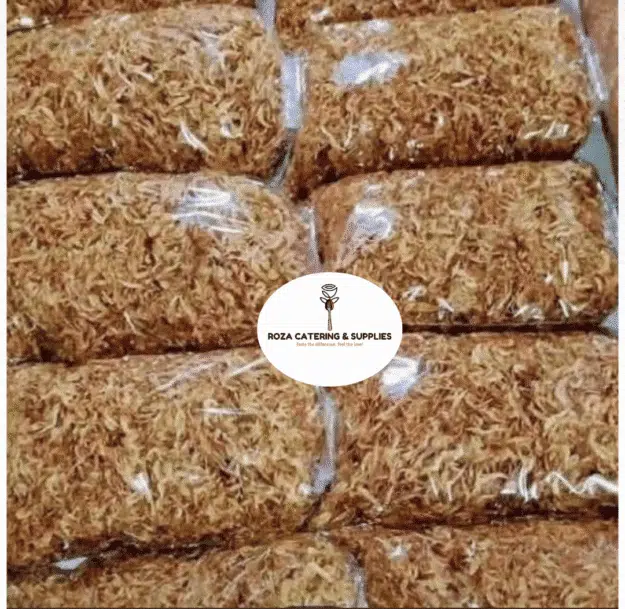
Oron Crayfish (Paint rubber) 4 liters
Original price was: $23.00.$21.00Current price is: $21.00.
Premium dried crayfish sourced from Oron, Akwa Ibom. Packed in a 4-liter paint rubber container, this seafood staple adds rich, smoky flavor to soups, stews, and sauces. Clean, well-sorted, and perfect for bulk cooking or resale.
$ USD
Frequently Asked Questions about African Non-GMO Crops
1. What are non-GMO crops?
Non-GMO crops are those that have not been genetically modified through any laboratory processes. These crops are cultivated using traditional farming practices, ensuring that they retain their natural genetic makeup. In recent years, African non-GMO crops have gained attention for their health benefits and ecological advantages.
2. Why choose non-GMO crops from Africa?
African non-GMO crops are becoming increasingly popular due to their organic cultivation methods and resilience to local climate conditions. Additionally, they are often grown in soils rich in nutrients, leading to healthier produce, which aligns with the growing demand for sustainable food sources in global health markets.
3. Are there health benefits associated with non-GMO crops?
Many consumers choose non-GMO crops due to concerns about potential health risks associated with genetically modified organisms. Non-GMO crops from Africa are frequently viewed as a safer option, as they are cultivated without synthetic pesticides and fertilizers, thus potentially reducing exposure to harmful chemicals.
4. How can consumers verify the non-GMO status of crops?
To verify the non-GMO status of crops, consumers can look for certification labels from recognized non-GMO organizations. It is essential to purchase from reputable suppliers who can provide documentation confirming that their products are indeed non-GMO.
5. Are non-GMO crops more expensive than GMO crops?
Generally, non-GMO crops can be more expensive than GMO alternatives due to the labor-intensive farming practices and lower yields associated with organic farming methods. However, many consumers are willing to invest in non-GMO crops for their perceived health benefits and ethical considerations.
6. What is the future outlook for African non-GMO crops?
The future is promising for African non-GMO crops as global demand for organic and health-conscious food products continues to rise. Increased awareness of sustainability and environmental impacts is driving consumers towards non-GMO options, positioning Africa as a key player in this vital market.
7. How can I support African non-GMO farmers?
Supporting African non-GMO farmers can be achieved by purchasing their products directly or choosing brands that prioritize sourcing from these farmers. Additionally, advocating for policies that promote sustainable agriculture and raising awareness about the benefits of non-GMO crops can further strengthen their market presence.
Product on sale
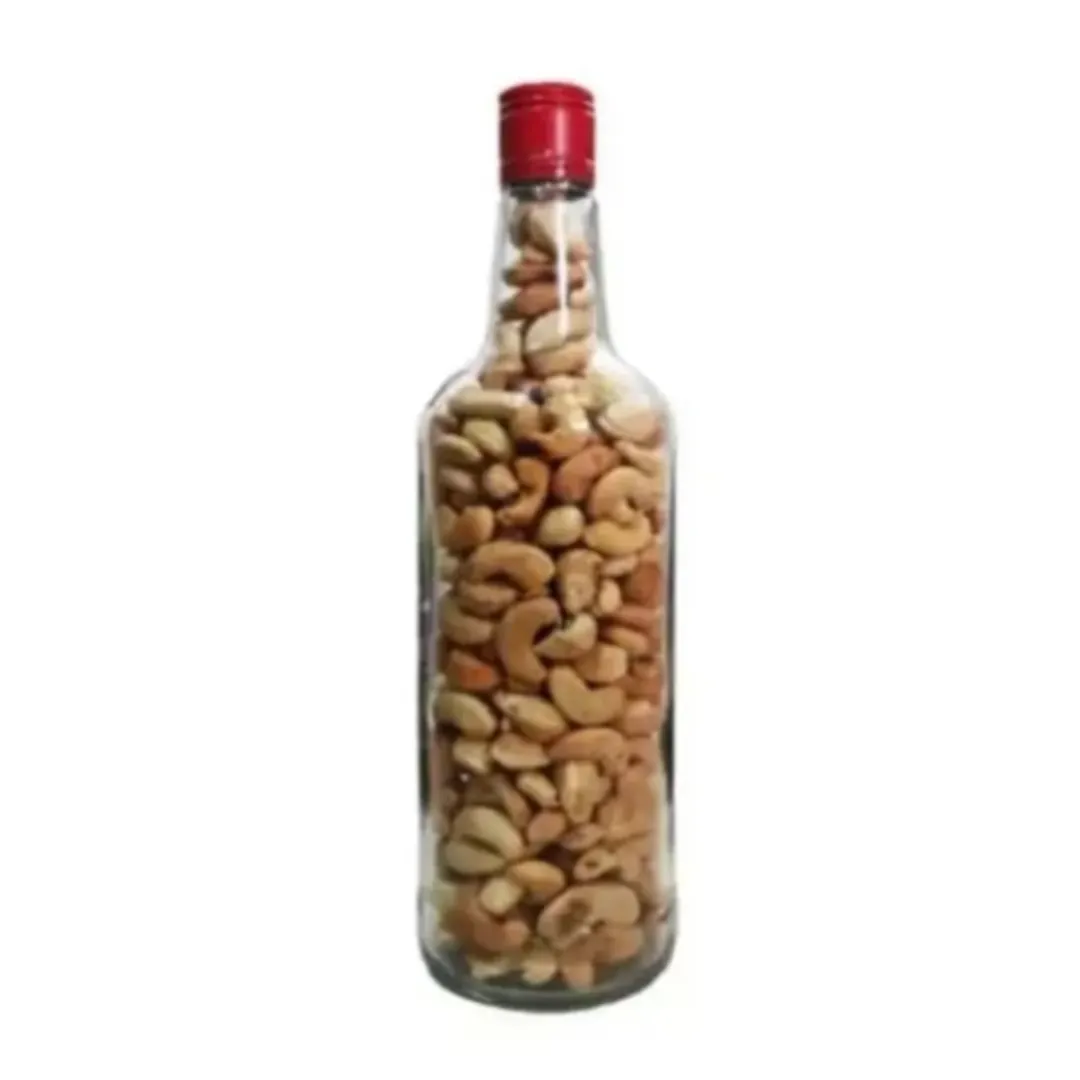
Cashew Nut – 1kg X 6
Original price was: $40.27.$40.25Current price is: $40.25.
Crunchy, premium-quality cashew nuts, 6 packs of 1kg each, rich in protein and healthy fats.
$ USD
Conclusion
In light of the various discussions regarding the rise of African non-GMO crops in health markets, it is clear that these products provide a sustainable and health-conscious alternative for consumers worldwide. The growing awareness of the potential health risks associated with genetically modified organisms (GMOs) has prompted many individuals and businesses to seek out non-GMO options, particularly those sourced from Africa. This shift not only benefits consumers but also supports local farmers and communities engaged in traditional agricultural practices.
African non-GMO crops are increasingly recognized for their rich nutritional profiles and variety, catering to the evolving preferences of health-oriented markets. Additionally, the continent’s agricultural landscape is characterized by a commitment to biodiversity and ecological resilience, making these crops a robust choice for those who prioritize sustainability in their consumption habits. The integration of these non-GMO crops into the global marketplace highlights Africa’s strategic role as a supplier of health-promoting products, capable of meeting the demands of discerning consumers.
As the trend toward health-conscious eating continues to flourish, sourcing products through platforms like Comilmart can connect consumers with a reliable supply of African non-GMO crops. This not only reinforces the values of health and sustainability but also directly contributes to the economic empowerment of African farmers. Choosing non-GMO products from Africa aligns well with the consciousness surrounding food sources and promotes a positive relationship between consumers and producers.
In conclusion, the significance of African non-GMO crops as a burgeoning choice in global health markets cannot be overstated. As more individuals prioritize their health through informed dietary choices, it is essential to recognize and support the value these crops deliver to both personal well-being and community development. By choosing to source non-GMO crops from Africa, consumers can align their health-conscious values with their purchasing decisions, ultimately contributing to a healthier future for all.