


















Introduction
How Local Vendors Can Reach International Buyers. In today’s interconnected world, the concept of global selling has emerged as a transformative opportunity for vendors, particularly those based in Africa. Selling products to international buyers opens doors to wider markets and fosters economic growth, allowing local vendors to transcend the limitations often posed by regional markets. Traditionally, vendors in Africa have concentrated their efforts on local selling, which, while valuable, can result in restricted sales potential and reduced profitability. This limitation is where the prospect of reaching international buyers can catalyze significant business growth.

The move towards global selling not only enables vendors to increase their customer base but also introduces them to diverse consumer tastes and preferences, which can help them innovate and enhance their offerings. Moreover, the rise of e-commerce platforms and digital payment solutions has made it easier than ever for African vendors to engage with international markets. This evolution in commerce allows them to showcase their unique products—tangible artifacts, handcrafted items, cultural goods—to an eager global audience.
Furthermore, the shift towards global selling supports the narrative of African creativity and craftsmanship, positioning local vendors as key players in the global economy. Through international exposure, they can not only achieve financial success but also promote African culture and heritage. This transformative journey encourages vendors to embrace the possibilities of expansion beyond their immediate surroundings, motivating them to leverage technology and online platforms in reaching potential buyers worldwide.
As we delve deeper into the strategies and tools that can assist vendors in this endeavor, it is essential to recognize the myriad of opportunities that lie ahead. The potential for growth is immense and accessible; local vendors must adopt a global perspective to fully realize their business ambitions.
Click here to start selling on Comilmart
The Limitations of Local Selling
Local vendors in Africa often encounter several significant limitations when operating solely within their immediate markets. One of the primary challenges is market saturation. As more vendors enter the local space, the competition intensifies, making it increasingly difficult for individual sellers to differentiate themselves. This oversaturation can lead to price wars, where vendors are forced to lower prices to attract customers, ultimately diminishing profit margins and threatening businesses’ sustainability.
Another limitation of relying solely on local selling is the restricted customer base. Vendors are often dependent on their immediate geographic area for sales, which can substantially limit growth opportunities. In many cases, the local market lacks diversity in consumer demographics and purchasing power. This situation is exacerbated in smaller communities where residents may have limited disposable income, leading vendors to struggle with insufficient sales volume. Consequently, local vendors may find it challenging to reach their financial goals and invest in growth.
Economic fluctuations also pose a significant risk for local vendors. Changes in the local economy, such as inflation or unemployment rates, can drastically influence consumer spending behavior. For instance, during economic downturns, consumers are more likely to prioritize essential goods over luxury items, further narrowing vendors’ selling potential. These economic uncertainties highlight the vulnerability of businesses that do not diversify their sales strategies.
Given these limitations, it is evident that local vendors must look beyond their immediate surroundings to thrive. By expanding their reach to global markets, they can mitigate risks associated with local market dependencies and unlock new avenues for growth and profitability. The necessity for broader market engagement becomes clear in light of these challenges, encouraging vendors to consider international selling as a viable solution.






Product on sale
360 Rugged Case + Inbuilt Screen Guard For IPhone 14 Pro Max
Original price was: $11.33.$10.00Current price is: $10.00.
360° Rugged Case with Built-in Screen Guard – Ultimate Protection for iPhone 14 Pro Max!
Shield your device with this durable, full-body rugged case featuring a built-in screen protector for 360° protection against drops, scratches, and impacts. Designed for a perfect fit, it ensures maximum durability without compromising style!
$ USD
The Growing Opportunity in Global E-commerce
The landscape of global e-commerce has experienced unprecedented growth in recent years, presenting a remarkable opportunity for local vendors in Africa to reach international buyers. According to a report by eMarketer, global e-commerce sales surpassed $4.9 trillion in 2021 and are projected to grow to over $6.3 trillion by 2025. This surge is indicative of a shifting consumer behavior towards online shopping, emphasizing the need for vendors to adapt and explore international markets.
In particular, markets such as Europe, North America, and Asia show a growing demand for unique products often sourced from Africa, including artisanal crafts, textiles, and organic food items. The African Continental Free Trade Area (AfCFTA) further facilitates this by reducing trade barriers and encouraging economic integration, thereby opening up channels for African vendors to penetrate foreign markets.
Furthermore, platforms like Alibaba, Etsy, and Amazon have made it easier for vendors worldwide to list their goods and gain visibility. Recent statistics indicate that over 2.14 billion people are expected to buy goods and services online in 2021, and with this digital customer base expanding, the demand for authentic, locally-sourced products from Africa is on the rise.
Moreover, the demographics of the global shopping audience show that millennials and Gen Z consumers are more inclined to purchase products that reflect unique cultural stories and fair trade practices, qualities that many African products embody. As these generations become a larger portion of the global consumer market, local vendors in Africa are uniquely positioned to meet their preferences.
In conclusion, the growth of global e-commerce represents a significant opportunity for African vendors to expand their reach and tap into new revenue streams. By leveraging the unique qualities of their products and utilizing global online marketplaces, these vendors can successfully navigate the international marketplace.
Addressing Common Fears and Challenges of Exporting
Exporting goods to international markets is often met with apprehension from local vendors. Common fears typically include logistical challenges, payment processing, and navigating complex international regulations. However, by addressing these concerns with strategic solutions, vendors can successfully sell globally from Africa.
Logistics can be a daunting aspect of exporting, with issues such as shipping costs and delivery times causing hesitation. To mitigate these fears, it is advisable for vendors to research and partner with reliable logistics providers. By understanding various shipping options—air, sea, or land—vendors can choose the most suitable and cost-effective methods for their products. Additionally, leveraging technology, such as tracking software, can enhance transparency throughout the shipping process and build trust with international buyers.
Payment processing presents another common hurdle. Vendors may worry about securing reliable transactions or dealing with currency fluctuations. Utilizing established global payment platforms, such as PayPal or Stripe, can streamline payment procedures and offer security measures that protect both the seller and the buyer. Furthermore, vendors should consider pricing their products in popular currencies, making purchases easier for international customers.
Lastly, the complexities of international regulations may discourage many vendors from entering the global market. However, it is essential to recognize that numerous resources exist to assist with understanding the legalities of exporting. Government trade agencies often provide guidance on compliance, documentation, and tariffs. By staying informed and educated about such regulations, local vendors can navigate these challenges with greater confidence.
In summary, while fears and challenges exist in the realm of exporting, addressing them through practical solutions enables vendors to embrace global selling opportunities successfully.
You may be interested to read

The Best Mobile Phones Suitable for Africa
Africa is a diverse continent with a wide range of needs and lifestyles when it comes to mobile phones. From bustling urban centers to remote rural areas, the ideal phone should be versatile, reliable, and able to meet the unique challenges of the region. Here are some factors to consider, alongside some recommendations for the best mobile phones suitable for Africa:

A Step-by-Step Guide to Selling Globally
For local vendors in Africa aiming to reach international buyers, a systematic approach is essential. The first step is to identify export-ready products, which involves assessing the demand in target markets and ensuring compliance with international quality standards. This requires thorough market research to understand what products resonate with international consumers and align with their preferences.
Next, adequate packaging is paramount. Utilizing packaging that meets international standards not only protects products during transit but also enhances their appeal. Vendors should consider sustainable packaging options, as environmentally conscious consumers are increasingly making purchasing decisions based on sustainability. Beyond aesthetics, proper labeling with details such as product ingredients, origin, and usage instructions is necessary.
Understanding pricing strategies for international markets is another critical step. This involves analyzing local and global competitors, factoring in shipping costs, customs duties, and other overheads. It is advisable for vendors to adopt a competitive pricing model that provides value while ensuring profit margins remain healthy. Currency fluctuations must also be taken into account when establishing prices to avoid potential losses.
Leveraging e-commerce platforms can significantly enhance visibility in international markets. Vendors should consider using established platforms like Amazon, eBay, or region-specific sites like Jumia to showcase their products globally. These platforms not only allow for vast reach but also provide essential tools for managing international transactions, payments, and logistics.
Lastly, promoting products globally is vital. This can be achieved through digital marketing strategies, including social media advertising and search engine optimization. Vendors should create engaging content that highlights product features and benefits to capture the attention of potential buyers. Targeting niche markets through personalized marketing campaigns can lead to increased conversion rates.

Product on sale
13×4 13×6 C Cut HD Lace Frontal Wig Bone Straight Human’hair
Original price was: $22.80.$22.20Current price is: $22.20.
The 13×4/13×6 C-Cut HD Lace Frontal Wig – Bone Straight Human Hair is a high-quality wig featuring a transparent HD lace frontal for a natural scalp blend. Made from 100% human hair, it offers a sleek bone-straight style with a C-cut for added flair. The pre-plucked hairline ensures a realistic look. Available in various densities and lengths, it’s perfect for versatile styling.
$ USD
Using Comilmart as Your Platform
Comilmart is an emerging platform designed to assist African vendors in reaching international buyers effectively. It serves as a bridge between local artisans, merchants, and potential customers globally. One of the key features of Comilmart is its user-friendly interface, which allows vendors to set up their online stores with relative ease. By providing a platform that simplifies the listing and selling process, Comilmart empowers local vendors in Africa to present their products to a worldwide audience.
Another significant aspect of Comilmart is its built-in tools for marketing and promotion. Vendors can leverage social media integration and promotional campaigns directly through the platform, increasing visibility among international buyers. The platform also offers insights and analytics regarding customer behavior, enabling merchants to tailor their offerings to better meet market demands and preferences.
Comilmart further supports transactions by offering various payment options that cater to different regions. This flexibility ensures that international buyers can purchase goods without encountering payment issues, fostering a hassle-free shopping experience. Additionally, the platform provides logistics solutions that assist vendors in managing shipping and delivery timelines, which are essential for maintaining customer satisfaction.
Furthermore, Comilmart fosters a community-oriented environment by allowing vendors to connect with each other, share experiences, and collaborate on best practices for successful international trade. This aspect is particularly advantageous for new sellers who may benefit from guidance and support offered by more experienced peers. Overall, Comilmart stands as a comprehensive tool that not only facilitates local vendors’ global outreach but also enriches their understanding of international markets.
Real-Life Vendor Success Stories
In recent years, an increasing number of African vendors have harnessed the power of e-commerce to break into global markets, transcending geographic boundaries. These inspiring stories reveal the trials and triumphs experienced by individuals who have successfully transitioned from local sales to international trading.
One notable example is Fatou, a textile vendor from Senegal who specialized in handwoven fabrics. Initially limited to local markets, Fatou began exploring online platforms to showcase her products. Her success was not without challenges; she faced issues related to shipping logistics and navigating international payment systems. However, by partnering with logistics companies that offered reliable international shipping solutions and social media to promote her unique offerings, she succeeded in reaching buyers in Europe and the United States. Today, Fatou exports her fabrics worldwide, significantly expanding her business.
Another compelling story is that of Adebayo, a small-scale farmer from Nigeria. Initially, Adebayo struggled to find a market for his organic produce amidst local competition. Learning about the demand for organic products globally, he shifted his focus. Adebayo utilized online marketplaces targeted at health-conscious consumers abroad, thus leveraging this niche market. With the adoption of strategic pricing and robust marketing efforts, he successfully established a connection with buyers across the globe. Adebayo’s annual sales more than tripled in just a few years, showcasing the potential revenue that can be generated through global sales.
These accounts exemplify that while challenges such as logistical issues and payment barriers exist, they are surmountable. Through resourcefulness and effective planning, vendors can successfully navigate the complexities of global trade, thus encouraging others to take the plunge into international markets. Such stories serve as a testament to the vast possibilities available for local vendors looking to expand their reach beyond Africa.
Frequently Asked Questions (FAQs)
When considering global sales from Africa, vendors often have a plethora of questions regarding the process of exporting their products. It is essential to understand the nuances involved in reaching international buyers. Below are some commonly asked questions and their corresponding answers to aid local vendors in their quest to sell globally.
1. What are the first steps I should take to start exporting?
The initial steps include researching potential global markets for your products, understanding the specific regulations and requirements of those markets, and preparing your business for international sales. This includes ensuring compliance with all export laws and understanding tariff codes related to your goods.
2. How can I effectively market my products internationally?
Utilizing digital marketing strategies such as social media, search engine optimization (SEO), and online marketplaces can significantly boost your visibility among international buyers. Establishing a strong brand presence through engaging content can also generate interest and facilitate global sales.
3. What are the main challenges I may face in exporting?
Exporting can present several challenges, such as language barriers, differing regulations, and logistical issues. Furthermore, understanding cultural preferences and establishing trust with international buyers can be crucial components of successful sales. Therefore, investing time in market research is vital to navigate potential hurdles effectively.
4. Are there any costs associated with exporting?
Yes, there can be various costs related to exporting. These may include shipping fees, customs duties, taxes, and packaging costs. It is imperative to account for these expenses when pricing products to ensure profitability in international markets.
These FAQs aim to provide vendor guidance and assistance in making informed decisions about global selling. Should additional questions arise, engaging with export professionals or local business associations may prove beneficial in further clarifying the exporting process.
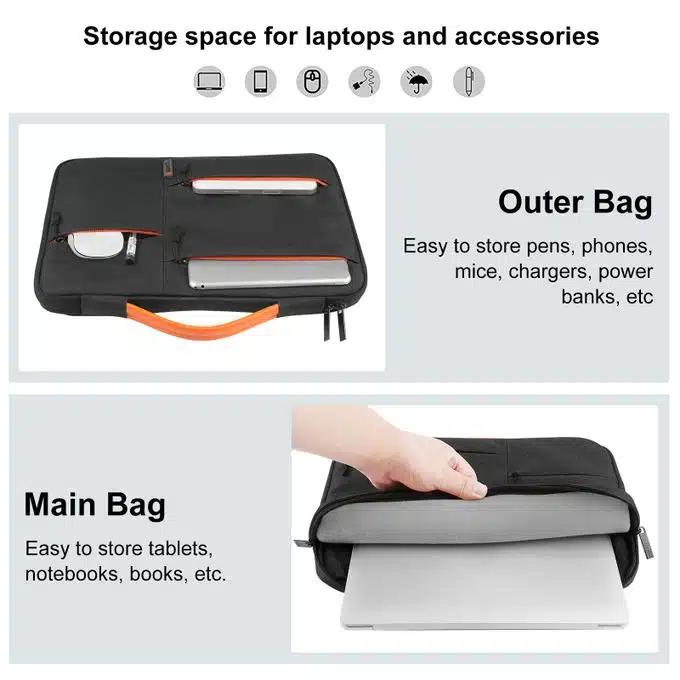
Product on sale
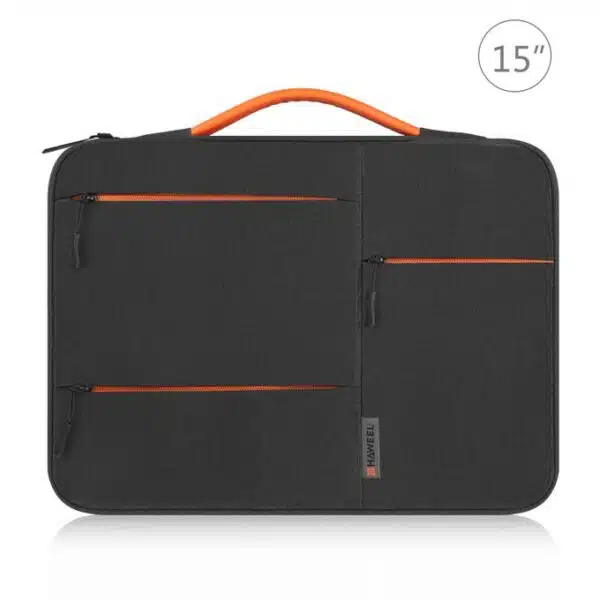
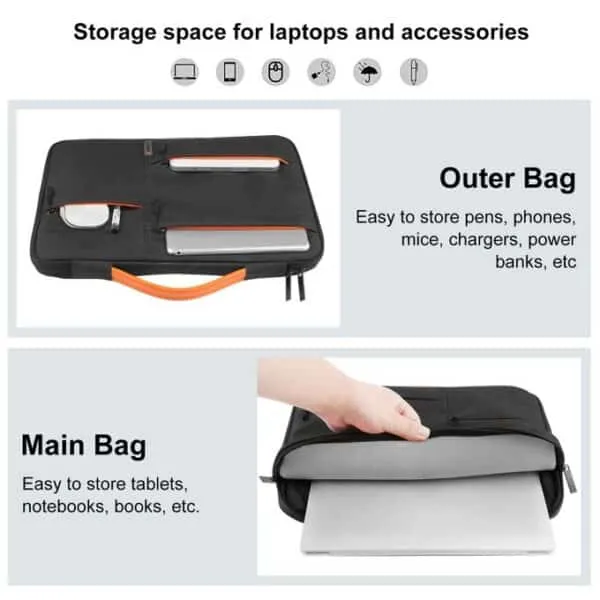
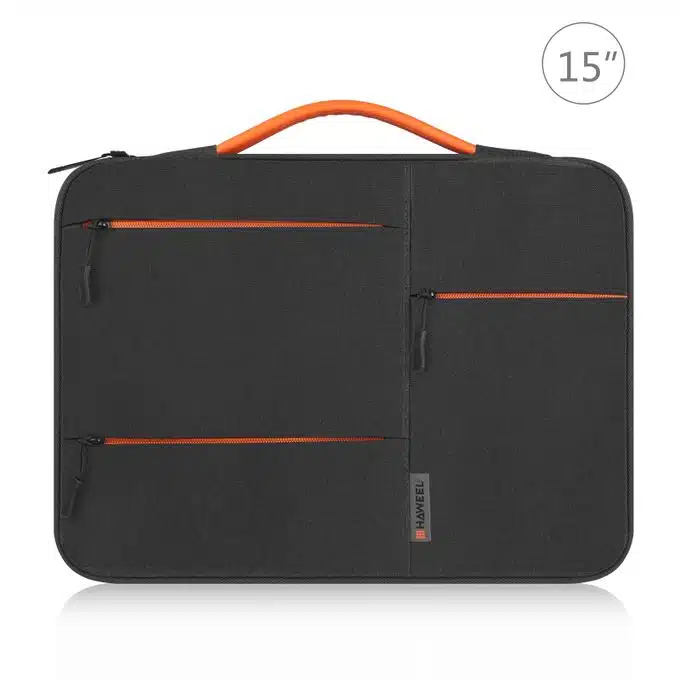
15.0 Inch-16.0 Inch Laptop Sleeve Case Zipper Handbag
Original price was: $15.00.$11.00Current price is: $11.00.
15″–16″ Laptop Sleeve Case
Sleek and lightweight, this zipper handbag-style sleeve offers reliable protection for 15″ to 16″ laptops. Perfect for daily commutes, travel, or office use—carry your device with confidence and style!
$ USD
Conclusion and Call-to-Action
In the evolving landscape of global commerce, selling internationally presents significant opportunities for local vendors in Africa. Throughout this blog, we have explored essential strategies for reaching international buyers, such as understanding market trends, leveraging online platforms, and effectively managing logistics. Each of these components plays a critical role in successfully expanding your business beyond local borders. By embracing technology and adopting best practices for global selling, vendors can enhance their visibility and attract new customers worldwide.
This journey towards global selling may seem daunting at first, but with determination and the right resources, it is entirely achievable. Platforms like Comilmart are designed to support African vendors in navigating the complexities of international sales. Registering on Comilmart provides access to a vibrant marketplace filled with potential buyers eager to explore unique products from Africa. Leveraging this platform can drastically simplify the process of reaching a global audience.
As you consider your options, remember that the key to success lies in taking that first step. With the right attitude and commitment, your products can captivate customers around the globe. We strongly encourage you to act now by signing up for a Comilmart account and embark on your venture into the international market. Don’t hesitate to explore the numerous resources and support available to you. The world is waiting for what you have to offer.