


















Introduction
How to Secure Reliable Bulk Agro Suppliers in Africa. The demand for African agro commodities has seen a remarkable increase in recent years, driven by both global population growth and rising consumer preferences for organic and sustainable products. As international trade continues to expand, the importance of cultivating reliable supply chains in Africa becomes paramount. This surge in interest presents opportunities and challenges for businesses looking to source bulk agro products, ranging from grains to fruits and vegetables.
Click here to start selling on Comilmart
Reliable suppliers are critical to maintaining the integrity and sustainability of operations within this sector. When companies engage with African agro-suppliers, they are not merely entering a transactional relationship; they are investing in a network that will dictate their supply chain’s efficiency, product quality, and ultimately, their reputation in the marketplace. However, the selection of suppliers without rigorous due diligence poses significant risks. Poor supplier selection can introduce vulnerabilities such as inconsistent supply, quality issues, and logistical challenges. All of these factors can create operational disruptions that may lead to financial losses and damage commercial relationships.
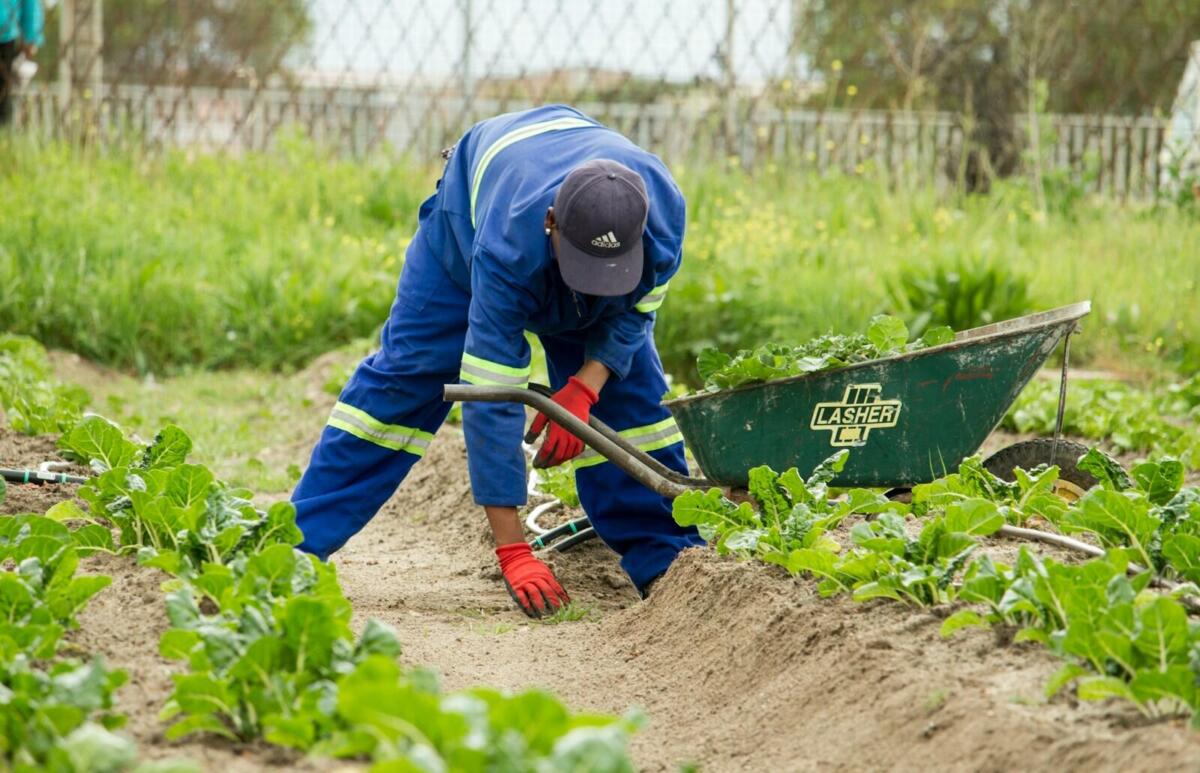
The stakes are particularly high given that agricultural production in Africa can be influenced by various factors including climate variability, political stability, and market fluctuations. Hence, understanding the complexities involved in sourcing from African suppliers is not merely an option, but a necessity for businesses that aim to thrive in a competitive landscape. By focusing on establishing robust supply chains, organizations can mitigate risks, enhance their market position, and ensure a steady influx of agro commodities that meet international standards.
Understanding the African Agro Supply Chain
The African agro supply chain is a complex network that plays a crucial role in the continent’s agricultural landscape. It encompasses the entire journey of agricultural products from the farm to the end consumer, including critical processes such as production, aggregation, exportation, and logistics. Each stakeholder in the supply chain holds a vital role, contributing to the efficiency and reliability of sourcing agricultural products.
At the beginning of the supply chain, farmers are the primary producers, cultivating various crops and livestock. Their responsibility is to ensure quality production, which requires access to necessary inputs such as seeds, fertilizers, and technology. Farmers often participate in cooperatives, which can enhance their bargaining power and access to markets.
Once the crops are harvested, aggregators come into play. Aggregators are entities or individuals who collect products from multiple farmers, helping consolidate supply and reduce transaction costs. They play a significant role in maintaining quality standards and ensuring that produce complies with market requirements. By aggregating products, they can negotiate better pricing with exporters and facilitate a smoother transition into the export market.
Exporters are critical to the supply chain, as they are responsible for transporting agricultural products to international markets. Their role involves securing the necessary certifications that guarantee product quality and safety, alongside dealing with logistics providers who manage transport and delivery. These logistics providers ensure that products are efficiently moved from farms to export locations, managing critical aspects such as warehousing, shipping, and complying with regulations.
In summary, understanding the various components of the African agro supply chain is essential for anyone looking to secure reliable bulk agro-suppliers in the region. By recognizing the functions of farmers, aggregators, exporters, and logistics providers, stakeholders can work collaboratively to improve the sourcing process and enhance agricultural trade.



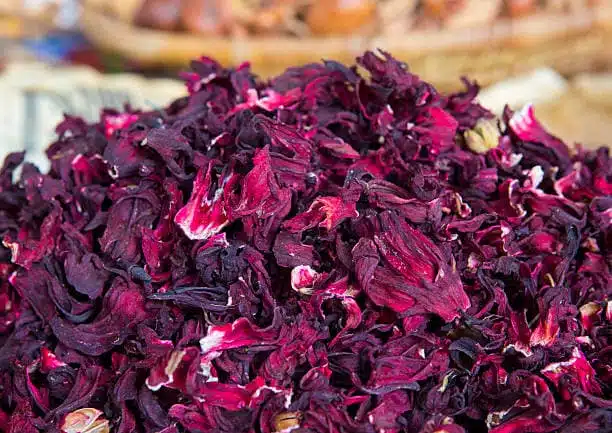
Product on sale
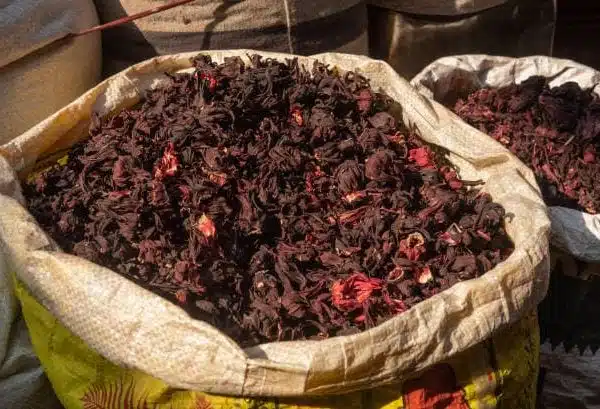
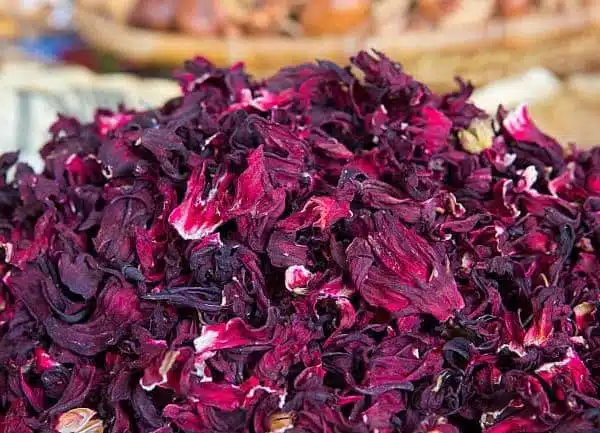
Premium Dried Hibiscus Flower (Zobo)
Original price was: $25.00.$23.00Current price is: $23.00.
Discover the vibrant taste and health benefits of our premium dried Hibiscus Flower (Zobo). Sourced organically and naturally, these beautiful crimson petals are perfect for brewing refreshing Zobo drinks, herbal teas, and adding a tangy, floral note to culinary creations. Rich in antioxidants and vitamin C, our hibiscus flowers are ideal for promoting well-being. This 100% natural product is free from additives, ensuring a pure and authentic experience. Elevate your beverages and dishes with the distinctive flavor and stunning color of high-quality hibiscus, a versatile ingredient for health-conscious consumers and culinary enthusiasts alike. Enhance your search ranking for ‘dried hibiscus’, ‘Zobo drink’, ‘herbal tea ingredients’, and ‘natural food coloring’.
$ USD
Why Africa is a Strategic Source for Bulk Agro Products
Africa has emerged as a crucial player in the global supply chain for bulk agro products. One of the primary reasons for this development is the continent’s rich agricultural resources. With vast arable land, diverse climates, and a variety of ecosystems, Africa is home to an array of crops and staple foods that cater to different markets. This natural endowment positions African farmers as key contributors to the global agro-product supply.
Another significant aspect is the competitive pricing of agricultural products in Africa. Due to lower labor and production costs relative to many developed countries, bulk agro products can be sourced at favorable prices. This price advantage becomes particularly appealing to international buyers seeking to minimize their production costs while securing high-quality products. Additionally, many African countries are investing in modern agriculture techniques, which further enhances productivity and quality, making their products increasingly competitive.
The continent’s expanding export capacity also plays a vital role in attracting global buyers. Over the past decade, several African nations have prioritized the enhancement of agricultural export infrastructure, including improvements in transportation and logistics. Investments in ports, roads, and storage facilities have facilitated smoother trade processes, allowing for timely and efficient delivery of bulk agro products to international markets. As a result, buyers can rely on Africa not only for quality but also for consistency in supply.
Furthermore, various trade agreements and international partnerships have been established, promoting African agricultural exports and opening up new markets. These developments create an advantageous environment for international buyers looking to source bulk agro products from Africa. Therefore, the combination of abundant resources, competitive prices, and increased export capacity makes Africa an exceptionally strategic source for bulk agro products.
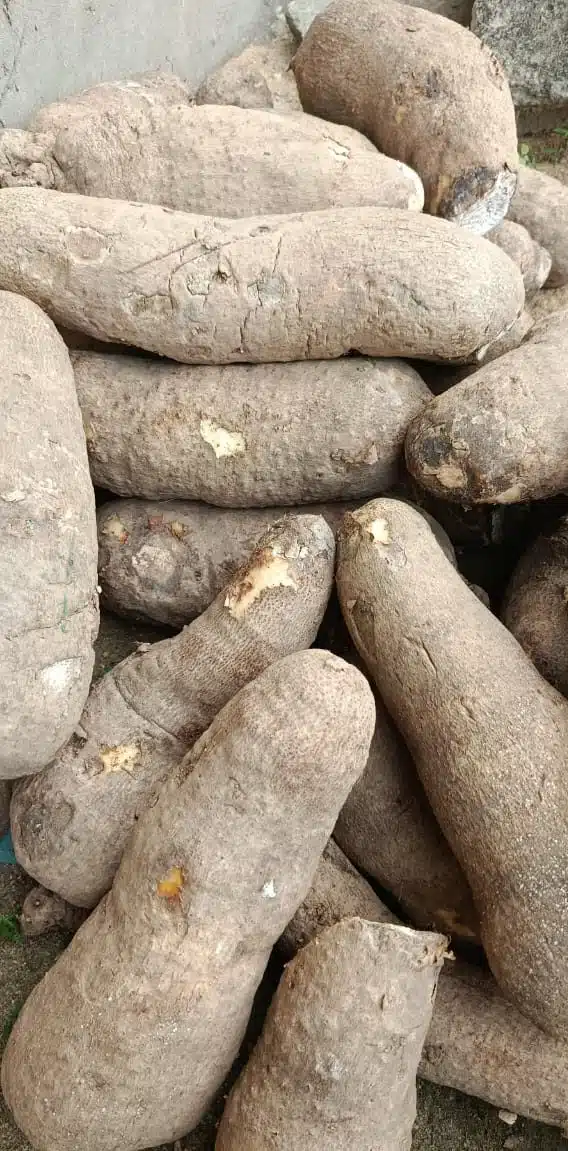
One Tuber of Yam
$0.98
Fresh, high-quality yam tuber, perfect for your meals and traditional dishes. Naturally grown and carefully selected for size and quality.
$ USD
Key Challenges in Sourcing Bulk Agro Products from Africa
Sourcing bulk agro products from Africa presents a multitude of challenges that can complicate the procurement process for businesses and suppliers alike. Understanding these challenges is crucial for developing effective strategies to navigate the landscape efficiently.
One of the foremost obstacles is supplier inconsistency. In many instances, suppliers may not adhere to agreed-upon standards of quality or delivery timelines. This inconsistency can stem from various factors, including lack of resources, inadequate training, or fluctuating market conditions. As a result, businesses must invest time and effort in building strong relationships with reliable suppliers to mitigate the risk of disruptions.
Another significant concern is the prevalence of fraud and scams. Unfortunately, the agro-product market in Africa is not immune to unethical practices, which can lead to substantial financial losses for unsuspecting buyers. Conducting thorough due diligence, including verifying supplier credentials and conducting site visits, is essential in minimizing exposure to fraudulent activities and ensuring that transactions are legitimate.
Logistics and infrastructure challenges further complicate sourcing efforts. Many regions in Africa lack well-developed transport networks, making it difficult to move products efficiently from rural farms to urban marketplaces. Poor infrastructure can lead to increased transportation costs, extended delivery times, and potential damage to products during transit. To counteract these issues, companies must establish effective logistics partnerships or leverage local knowledge to navigate these logistical hurdles.
Lastly, quality variability in agro products is a common issue. Variations in climate, farming methods, and agricultural practices can lead to inconsistencies in product quality. This variability can impact the buyer’s ability to meet consumer expectations. Implementing stringent quality control measures and engaging in regular communication with suppliers can help ensure a more consistent product supply.
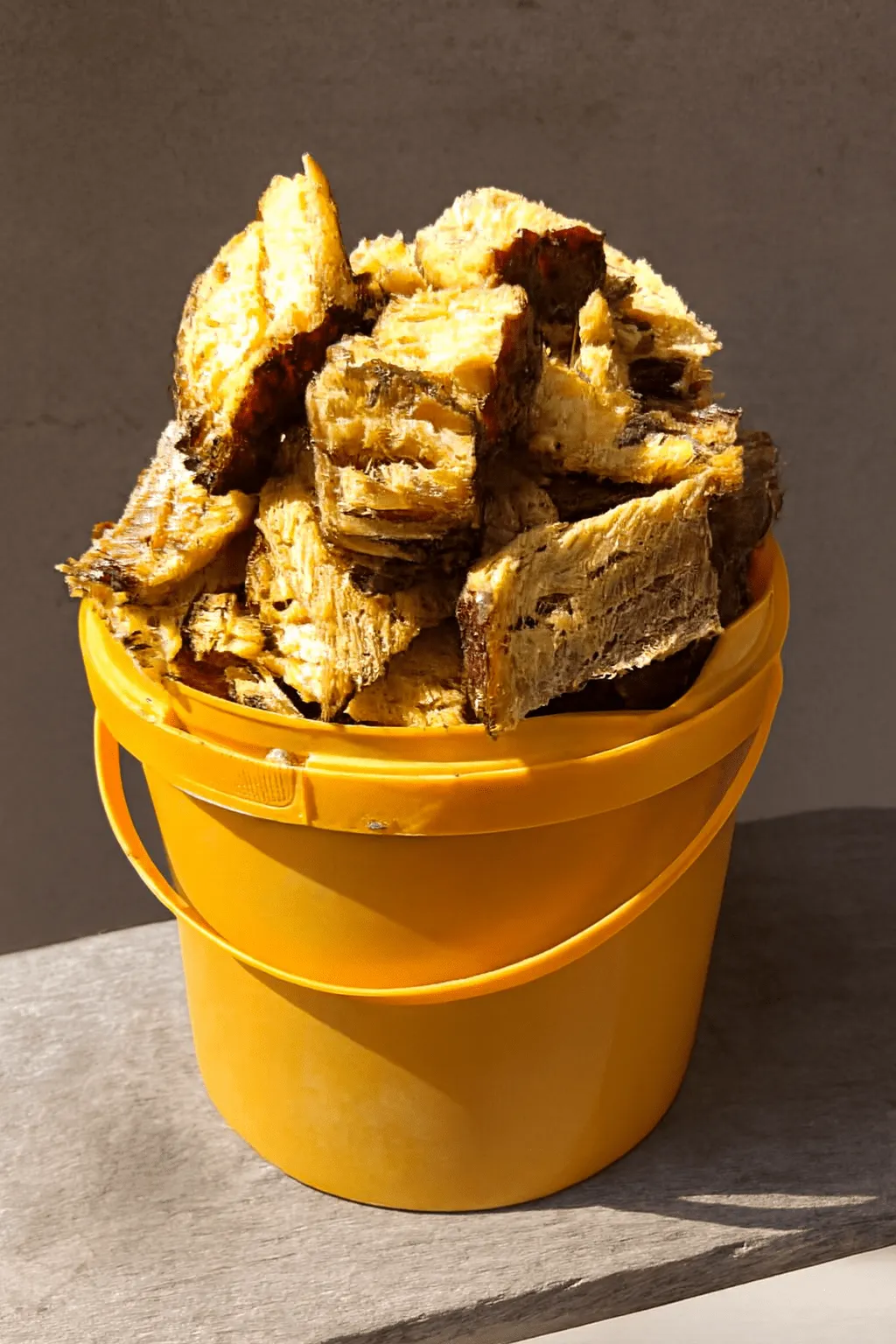
“Mangala Fish
$42.66
“Mangala Fish – a smoky, flavorful Nigerian delicacy, carefully smoked to preserve freshness and enhance taste, perfect for soups and stews.”
$ USD
Characteristics of Reliable Bulk Agro Suppliers
When seeking bulk agro suppliers in Africa, several critical characteristics signify reliability and competence. These attributes ensure that suppliers can consistently meet the demands of businesses while maintaining high standards in product quality and service efficiency.
One of the foundational characteristics is verified business registration. A legitimate agro supplier should be registered with the appropriate regulatory bodies, demonstrating compliance with national and international agricultural laws. This verification not only protects buyers from potential legal issues but also fosters trust by confirming the supplier’s commitment to adhere to industry standards.
Experience in export is another essential factor. Suppliers with a proven track record in international trade showcase their ability to navigate complex shipping processes and customs requirements. This experience is particularly beneficial as it can minimize delays and ensure that products arrive in optimal condition. Moreover, established exporters are often familiar with diverse market requirements, making them more adaptable to buyers’ needs.
Quality control systems play a crucial role in determining the reliability of bulk agro suppliers. Suppliers should implement rigorous quality assurance processes that adhere to recognized standards, such as ISO certifications. This enables them to provide consistent and safe products. Buyers benefit greatly from suppliers who take quality seriously, as it directly impacts the overall quality of their final products.
Lastly, transparent communication practices are vital for fostering a successful partnership. Suppliers who maintain open lines of communication can quickly address any issues or concerns that may arise, thus preventing misunderstandings. Effective communication ensures that both parties are aligned on expectations, such as delivery timelines and product specifications, significantly enhancing the sourcing process.

“Large Size – 100 pieces
$105.00
“Large Size – 100 pieces of durable, high-quality items, ideal for bulk use and everyday convenience.”
$ USD
Step-by-Step Guide to Securing Reliable Suppliers
Navigating the supply chain landscape in Africa requires meticulous planning and execution, especially when it comes to securing bulk agro-suppliers. The first essential step in this process is to clearly define your sourcing needs. This involves identifying the specific agricultural products you require, determining quantities, and understanding your quality expectations. By establishing these parameters early, you can streamline your search and focus on suppliers who can meet your criteria.
The next phase involves conducting thorough supplier research. This can be achieved through various means, including utilizing online directories, industry trade shows, and networking within agricultural circles. Pay attention to indicators of reliability such as customer reviews, years of operation, and certifications. It is also beneficial to establish a shortlist of potential suppliers based on your research findings.
Once the preliminary research is complete, it is advisable to request product samples. This allows you to assess the quality of the agro-products personally and ensures that what you receive conforms to your specifications. Ask your shortlisted suppliers for the samples, which will also serve as a basis for evaluating their commitment to quality.
Verifying supplier credentials is a crucial next step. This entails checking their business licenses, quality certifications, and industry affiliations. Engaging with previous clients or conducting background checks can provide invaluable insights into the supplier’s operations and reliability. Ensuring that suppliers have a good track record minimizes the risks associated with procurement.
After verifying credentials, the negotiation of contracts can commence. It is essential to explicitly outline terms regarding pricing, delivery timelines, and payment methods. Establishing mutual understanding and agreement at this stage prevents potential conflicts in the future.
Finally, starting with small orders is a practical strategy to establish trust. This approach allows you to evaluate the supplier’s consistency and reliability in fulfilling orders without committing to significant transactions initially. Over time, as trust builds, larger orders can be made with increased confidence. Following these steps can enhance your ability to navigate the complexities of securing dependable bulk agro-suppliers in Africa.

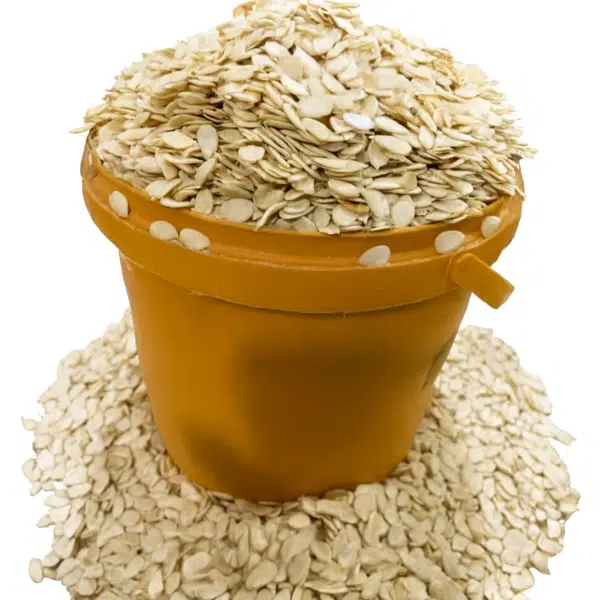
Product on sale
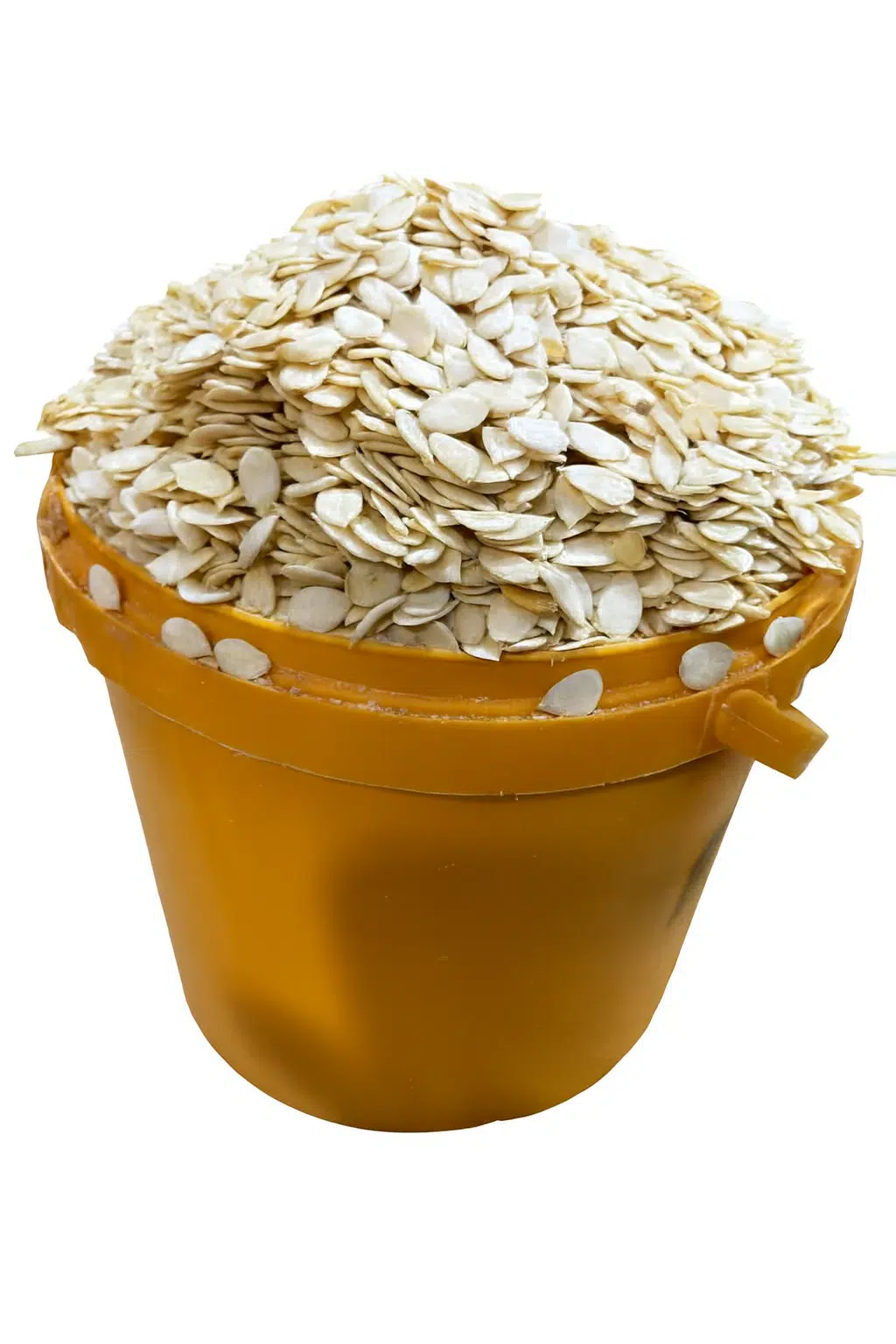
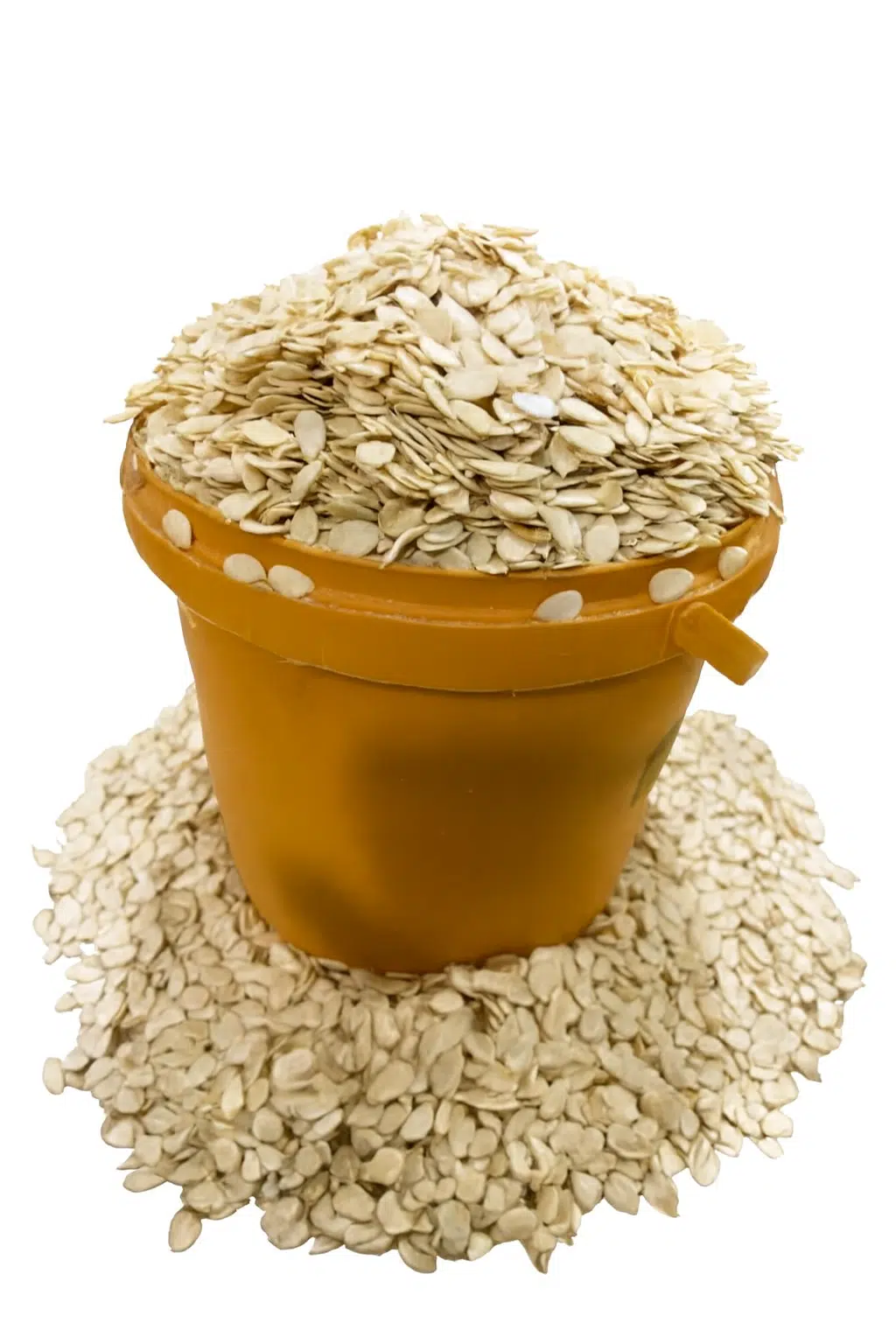
GoldenTots – Melon: A Custard
Original price was: $20.00.$17.67Current price is: $17.67.
Sweet, creamy, and ready to enjoy! GoldenTots Melon: A Custard brings natural melon flavor to your desserts and snacks.
$ USD
Importance of Due Diligence and Risk Management
When sourcing bulk agro-supplies in Africa, the significance of due diligence and robust risk management cannot be overstated. The complexity and variability of the supply chain in different regions necessitate a comprehensive approach to ensure supplier reliability. Conducting due diligence involves thorough research into potential suppliers to confirm their legitimacy and operational capacities. This could include reviewing their business history, financial stability, and compliance with international trade regulations.
In addition to background checks, implementing third-party inspections serves as a critical risk mitigation strategy. These inspections often provide valuable insights into the supplier’s facilities, production processes, and quality control measures. Engaging independent auditors can help validate claims made by suppliers and ensure that the products meet the required standards. Furthermore, utilizing third-party verification can build trust, establishing a transparent dialogue between the buyer and the supplier.
Trade assurance mechanisms play a vital role in protecting investments throughout the supply chain. These agreements may include performance bonds, letters of credit, or escrow services. They facilitate secure financial transactions and mitigate risks associated with payment defaults and product discrepancies. By incorporating these practices into the procurement process, businesses can significantly reduce the potential for loss and foster enduring partnerships with reliable suppliers.
Ultimately, a well-structured due diligence and risk management strategy acts as the foundation for successful sourcing in Africa’s dynamic agro-supply market. Companies that prioritize these practices not only enhance their operational efficiency but also contribute to building a more stable and trustworthy supply chain, which is essential in the ever-evolving agricultural landscape.
Product on sale
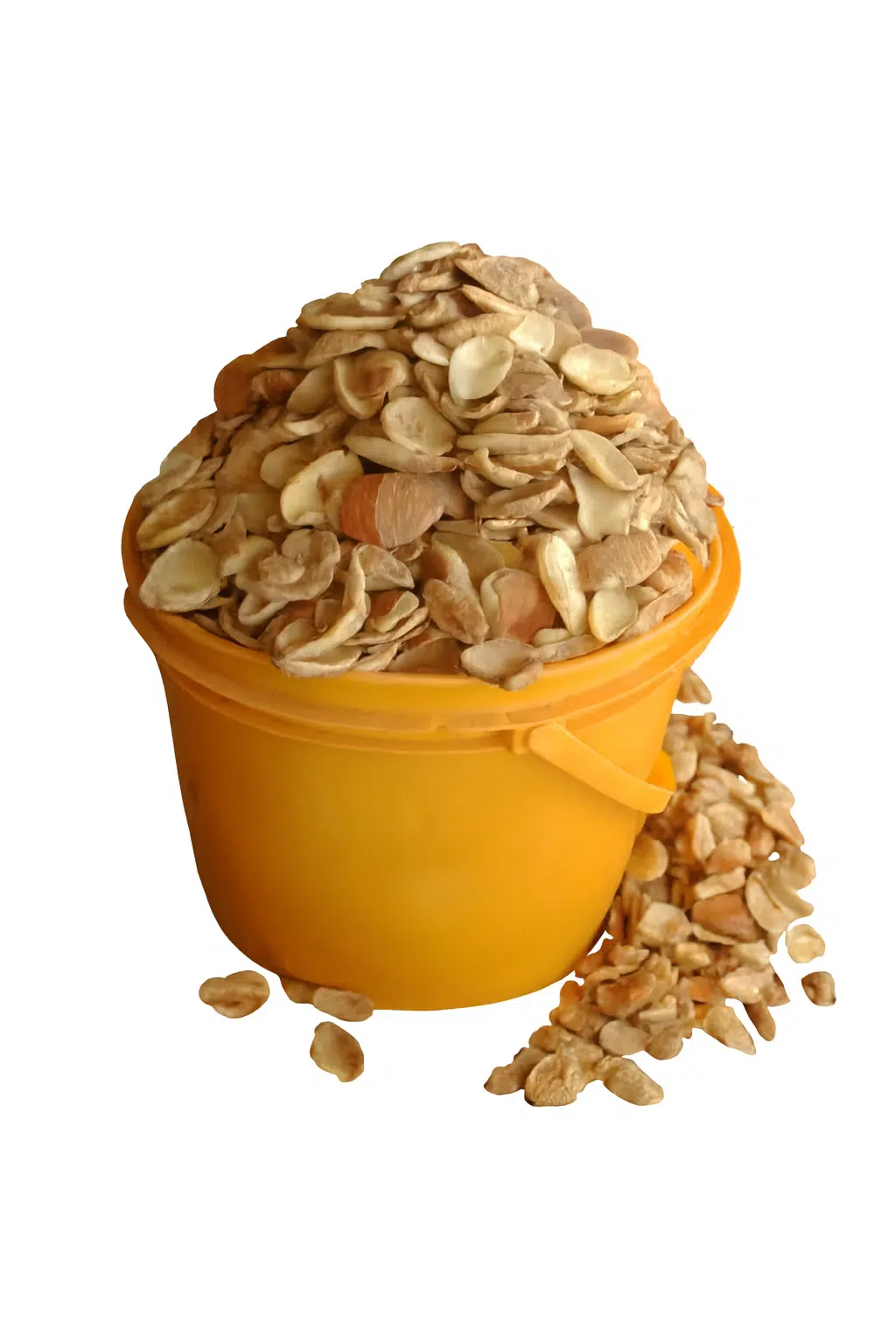
GoldenTots – Ogbono: A Custard
Original price was: $40.00.$38.56Current price is: $38.56.
Add rich, authentic flavor with GoldenTots Ogbono: A Custard. Perfect for soups, stews, and traditional African dishes—smooth, tasty, and ready to use!
$ USD
Logistics and Supply Chain Coordination
When importing agro products from Africa, logistics play a crucial role in ensuring timely delivery and cost-effectiveness. Understanding various shipping terms is essential for coordinating an effective supply chain. Key terms such as Free On Board (FOB), Cost, Insurance and Freight (CIF), and Ex Works (EXW) often define the responsibilities of buyers and sellers in the shipping process. FOB indicates that the seller takes responsibility until the goods are loaded onto the vessel, while the buyer assumes risk and costs from that point onward. CIF, on the other hand, means the seller covers costs up to the destination port, including freight and insurance. Lastly, EXW signifies that the buyer bears all costs and responsibilities once the goods are made available at the seller’s premises.
Choosing the right logistics partners is another vital consideration in supply chain coordination. Collaborating with reputable logistics companies that have established networks in Africa can enhance supply chain efficiency. It is important to evaluate their performance history, expertise in handling agro products, and their capacity to navigate the unique challenges posed by different transport routes. A reliable logistics partner can assist in customs clearance, ensuring compliance with regulations and minimizing delays.
Additionally, managing timelines and costs is integral to maintaining an efficient supply chain. Strategic planning of shipment schedules, along with real-time tracking of goods, helps anticipate potential delays caused by unforeseen circumstances like adverse weather or port congestion. It is advisable to build flexibility into the logistics plan to adapt swiftly to such disruptions, thus ensuring that the agro products reach the intended destination without unnecessary costs. Consideration of these logistics aspects can greatly facilitate smoother importation processes and foster successful partnerships with bulk agro-suppliers.

Product on sale
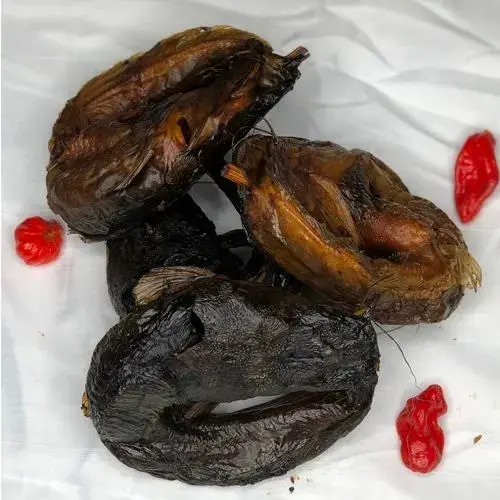
Charcoal Smoked Catfish – 1kg – 4pieces
Original price was: $10.00.$8.48Current price is: $8.48.
Charcoal smoked catfish is a traditional Nigerian delicacy made by slowly smoking fresh catfish over natural charcoal. This process infuses the fish with a rich, smoky flavor while preserving its nutrients and extending shelf life. Each 1kg pack contains 4 pieces, carefully cleaned, lightly salted, and ready to cook. Ideal for soups, stews, or as a protein-rich snack, it’s sand-free and hygienically prepared for convenience and taste.
$ USD
Role of Digital Marketplaces
In the dynamic environment of agro-product sourcing, digital marketplaces like Comilmart play a transformative role in connecting buyers with reliable bulk agro-suppliers across Africa. These platforms serve as vital conduits, facilitating efficient access to a diverse range of agricultural products from verified vendors. By focusing on enhancing the source-to-supplier relationship, Comilmart streamlines the procurement process, assisting businesses in identifying suitable partners and eliminating the uncertainty associated with traditional supply chain practices.
One of the core advantages of utilizing digital marketplaces is the emphasis on ensuring secure transactions. Comilmart integrates robust payment systems that protect both buyers and sellers, instilling confidence in the exchange process. This security is critical for fostering long-term relationships and encourages new entrants to explore bulk purchase options without the fear of fraud, which can be prevalent in less controlled environments. Furthermore, the transparency features offered by these platforms allow users to track real-time progress on orders, providing an additional layer of assurance.
Communication is another essential aspect that digital marketplaces enhance. Comilmart promotes direct engagement between buyers and suppliers, allowing for discussions regarding product specifications, pricing negotiations, and delivery timelines. This immediate interaction not only enhances clarity but also expedites decision-making and prevents potential misunderstandings that can delay sourcing activities. Moreover, with extensive product catalogs and user reviews, businesses can make informed choices based on previous experiences of others, fostering a sense of community and trust.
In conclusion, digital marketplaces like Comilmart are revolutionizing the way bulk agro-products are sourced in Africa. By offering secure transactions, promoting transparency and efficient communication, these platforms simplify the overall sourcing process, making them invaluable resources for businesses seeking reliable agro-suppliers.
Product on sale
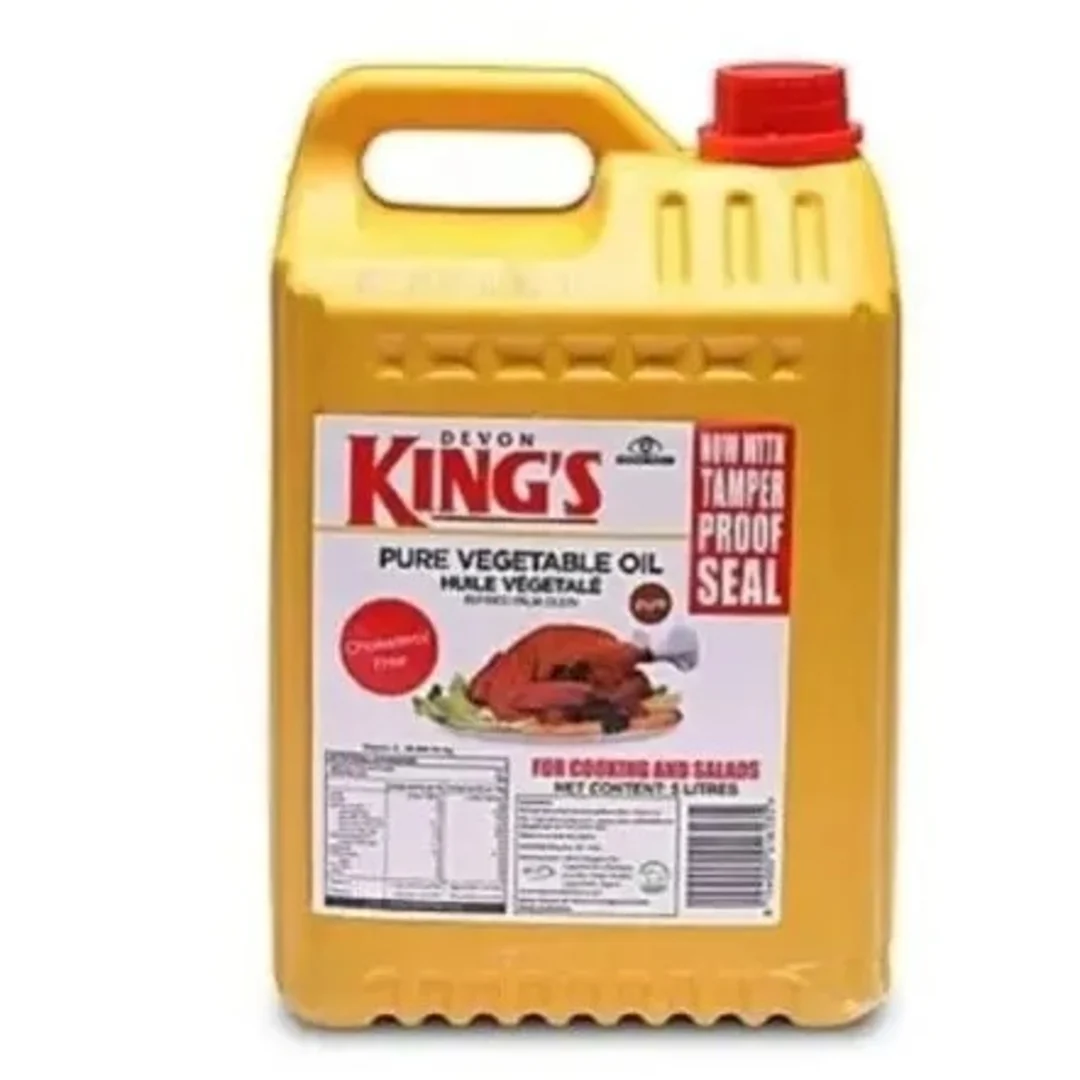
Devon King’s Vegetable Oil – 5 Litres
Original price was: $21.31.$21.29Current price is: $21.29.
A trusted cooking oil brand in Nigeria, Devon King’s Vegetable Oil is refined for purity, offering a light taste and golden color. The 5-litre pack is ideal for family use, restaurants, and bulk cooking, ensuring healthy frying and delicious meals.
$ USD
Building Long-term Supplier Relationships
Establishing robust and long-lasting relationships with suppliers is paramount in navigating the complexities of the supply chain, particularly in the agro-supply sector in Africa. Such relationships serve as a foundation for trust, consistency, and mutual growth, which are essential in ensuring a reliable supply of agricultural products.
Trust is cultivated over time and can significantly enhance the dynamics of supplier interactions. When stakeholders engage in open and honest communication, it sets the stage for transparency, which is crucial during negotiations and in addressing challenges. Regular meetings, both virtual and in-person, can help maintain a fluid dialogue, creating an environment where issues are discussed promptly and solutions are sought collaboratively. Documenting commitments and shared objectives through formal agreements further solidifies trust, ensuring that both parties are aligned in their goals.
Consistency in performance can be achieved through diligent monitoring of supplier activities and adhering to agreed-upon quality and delivery standards. This can be supplemented by performance metrics that not only assess the reliability of the supplier but also provide insights into areas needing improvement. By conducting reviews and providing constructive feedback, both parties can identify growth opportunities. Such practices not only enhance collaboration but also foster a sense of partnership, as suppliers feel valued and involved in the process.
Ultimately, building long-term relationships with bulk agro-suppliers is a strategic move that promotes stability, reliability, and growth within the supply chain. These relationships enable businesses to navigate market fluctuations more adeptly, as trust and communication allow both suppliers and purchasers to adapt and innovate together.
Product on sale
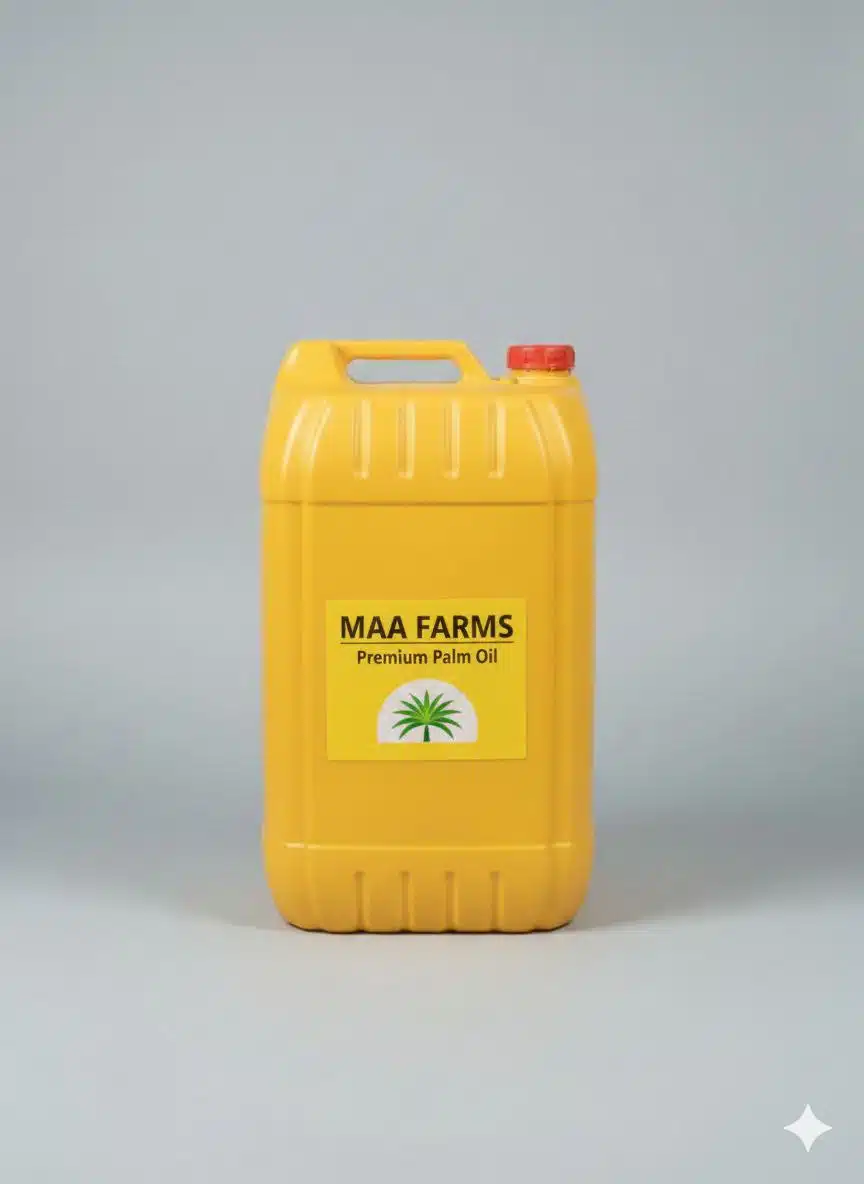
25L MAA FARMS Premium Palm Oil – Your Kitchen’s Golden Secre
Original price was: $65.00.$63.00Current price is: $63.00.
Discover the rich, authentic taste and vibrant color that MAA FARMS Premium Palm Oil brings to your culinary creations. Sourced from the finest palm fruits, our palm oil is carefully processed to deliver exceptional quality and purity, making it the perfect choice for home cooks and professional chefs alike.
67 in stock
$ USD
Future Trends in African Agro Supply Chains (2026)
As we look toward 2026, the landscape of African agro supply chains is expected to undergo significant transformations driven by several key trends. Central to these changes is the ongoing digital transformation that affects every aspect of the supply chain. Increased connectivity, the implementation of advanced technologies, and the growing use of data analytics are anticipated to enhance efficiency and transparency. Stakeholders, including farmers and suppliers, will leverage digital tools to optimize inventory management, monitor crop yields, and forecast demand accurately.
Another transformative trend that is set to reshape the agro supply chain in Africa is the adoption of blockchain technology. By providing an immutable ledger for transactions and traceability, blockchain has the potential to revolutionize how agricultural products are tracked from farm to consumer. This technology can enhance trust among suppliers, retailers, and consumers by ensuring the provenance and authenticity of products. Moreover, it can help in mitigating fraud and ensuring compliance with food safety standards, thereby contributing to a more reliable and secure agro supply chain.
Sustainable sourcing initiatives also play a crucial role in the future of agro trade within Africa. With increasing awareness of environmental issues and social responsibility, agro suppliers are expected to prioritize sustainable practices. This includes the adoption of eco-friendly farming techniques, minimizing waste through circular economy principles, and engaging in fair trade practices. As consumers become more conscientious about the origins of their food, suppliers who embrace sustainability will likely gain competitive advantages in the market.
These trends collectively point toward a more integrated, transparent, and responsible agricultural supply chain in Africa, setting the stage for enhanced reliability and resilience heading into 2026.
Product on sale
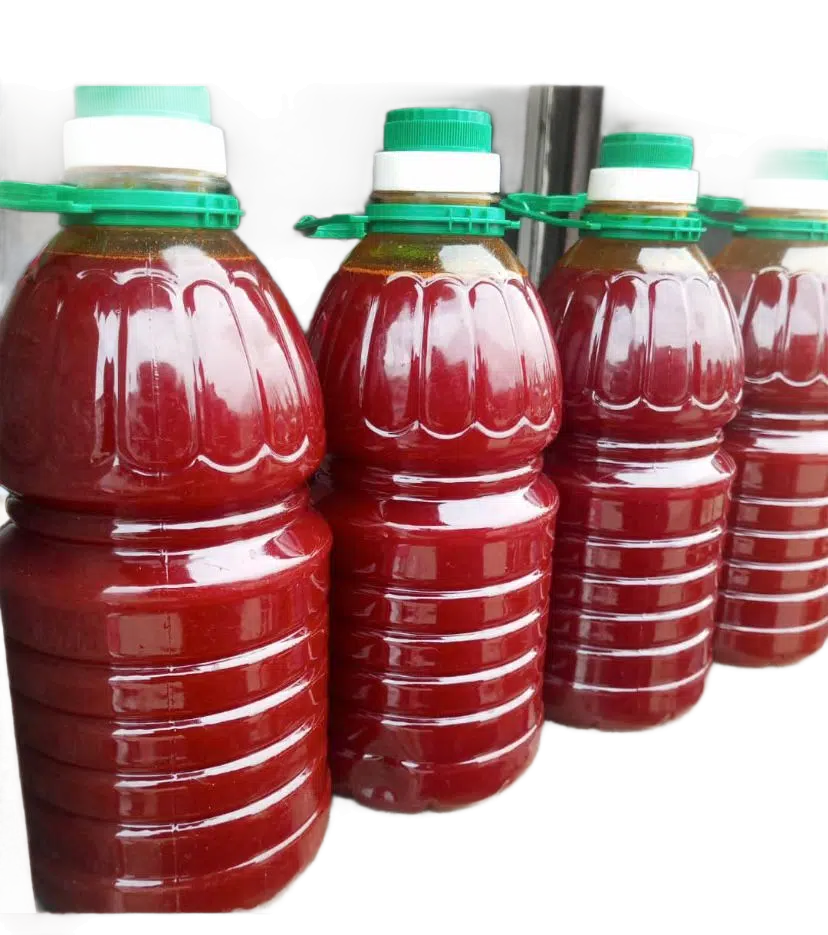
CN-International Palm Oil – Premium Edible Cooking Oil – 5L
Original price was: $11.90.$11.76Current price is: $11.76.
Premium 5-liter edible palm oil from CN-International. Ideal for cooking, frying, and everyday meal preparation. Fresh, nutritious, and high quality.
$ USD
Frequently Asked Questions
1. What factors should I consider when selecting a bulk agro-supplier in Africa?
Selecting a reliable bulk agro-supplier involves evaluating key factors such as product quality, supplier reliability, pricing, logistics, and compliance with international standards. It is crucial to assess the supplier’s experience in your specific commodity and their reputation in the market. Additionally, reviewing customer testimonials and conducting site visits can be beneficial.
2. How can I ensure the quality of agricultural products sourced from Africa?
To ensure product quality, international buyers should request certifications pertaining to food safety and quality assurance, such as GlobalG.A.P. or ISO certifications. Regular communication with suppliers and conducting quality checks at different stages of the supply chain can also enhance product reliability.
3. Are there any legal requirements for importing agro-products from Africa?
Importing agricultural products from Africa typically involves complying with customs regulations, import permits, and phytosanitary certificates from the exporting country. Buyers should familiarize themselves with the laws governing imports in their home country to avoid potential legal complications.
4. How can I mitigate risks associated with international sourcing?
Mitigating risks can be achieved by diversifying suppliers and maintaining clear communication channels. It is also advisable to establish contracts that specify terms, delivery schedules, and contingency measures in case of delays or product issues. Engaging third-party inspection services can further enhance supply chain integrity.
5. What payment methods are commonly used in international bulk agro-supply transactions?
Common payment methods include letters of credit, telegraphic transfers, and payment after delivery contingent upon product inspection. The choice of payment method should reflect both parties’ trust levels and should ideally protect against fraud while ensuring smooth cash flow.
6. How can I build long-term relationships with suppliers in Africa?
Building strong relationships with suppliers involves regular communication, understanding their business practices, and being culturally sensitive. Establishing trust through timely payments and providing feedback can encourage suppliers to prioritize your needs and foster loyalty.
7. What should I do if I encounter issues with a supplier?
If issues arise with a supplier, it is important to document the problems clearly and communicate your concerns directly and respectfully. Seeking resolution through dialogue is often effective, but if efforts fail, referencing contract terms or seeking legal advice may become necessary to address the disputes.
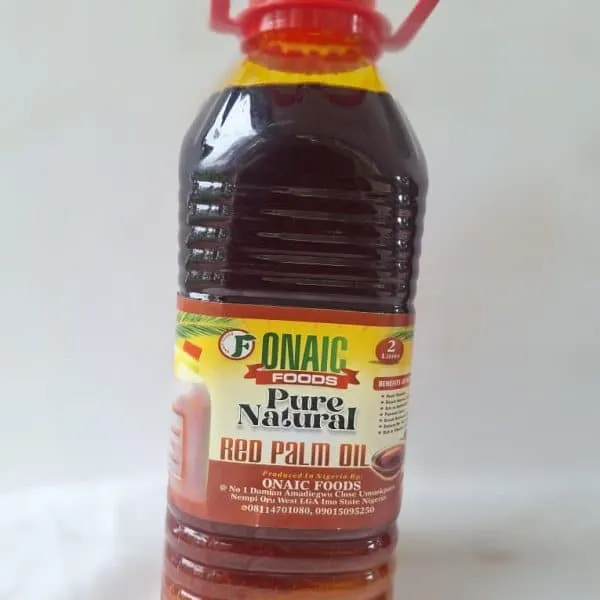
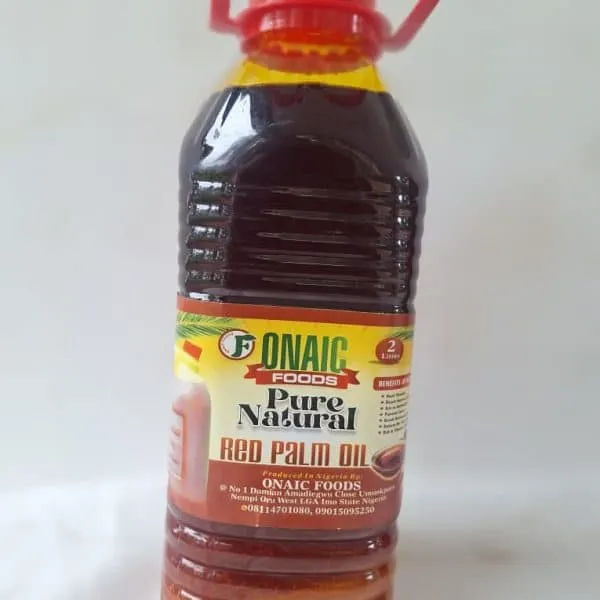
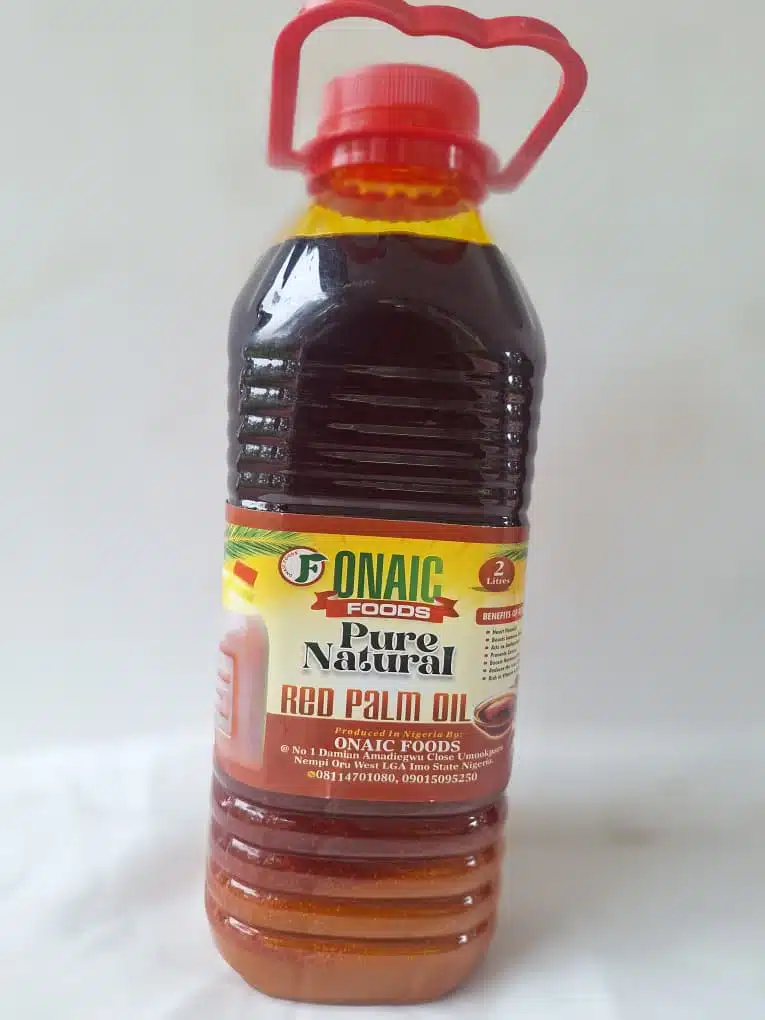
Onaic Foods Pure Natural Red Palm Oil – 2 Litre
$4.20
Onaic Foods Pure Natural Red Palm Oil – 2Litre is a premium, unrefined palm oil rich in nutrients, beta-carotene, and vitamin E. Perfect for authentic African cooking, stews, soups, and everyday meals.
$ USD
Conclusion
In the complex landscape of agricultural supply chains in Africa, the importance of securing reliable bulk agro-suppliers cannot be overstated. Throughout this blog post, we have examined various aspects that contribute to the essential characteristics of competent agro-suppliers. Establishing strong relationships built on trust, transparency, and consistent communication lays the groundwork for successful partnerships.
Furthermore, we have highlighted the significance of conducting thorough due diligence when selecting suppliers. This involves assessing their track record, understanding their operational capabilities, and verifying their compliance with relevant standards and regulations. Building a robust supply chain requires a nuanced understanding of the agro-ecosystem, and engaging with suppliers who demonstrate their commitment to sustainability and ethical practices is crucial.
It is also evident that leveraging technology can streamline the process of supplier selection and management. By utilizing digital platforms, businesses can enhance their visibility into potential suppliers, which can lead to more informed decisions. In this regard, engaging with dedicated international trade platforms like Comilmart can further simplify sourcing processes. Such platforms provide a comprehensive database of reputable suppliers, fostering connectivity, efficiency, and reliability in international trade.
To adopt a proactive approach in navigating the complexities of sourcing in the agro-supply chain, businesses must explore various options and invest in establishing lasting partnerships with trustworthy suppliers. By prioritizing reliability and accountability, organizations can enhance the resilience of their supply chains, ultimately contributing to the overall health of the agricultural sector in Africa.