

















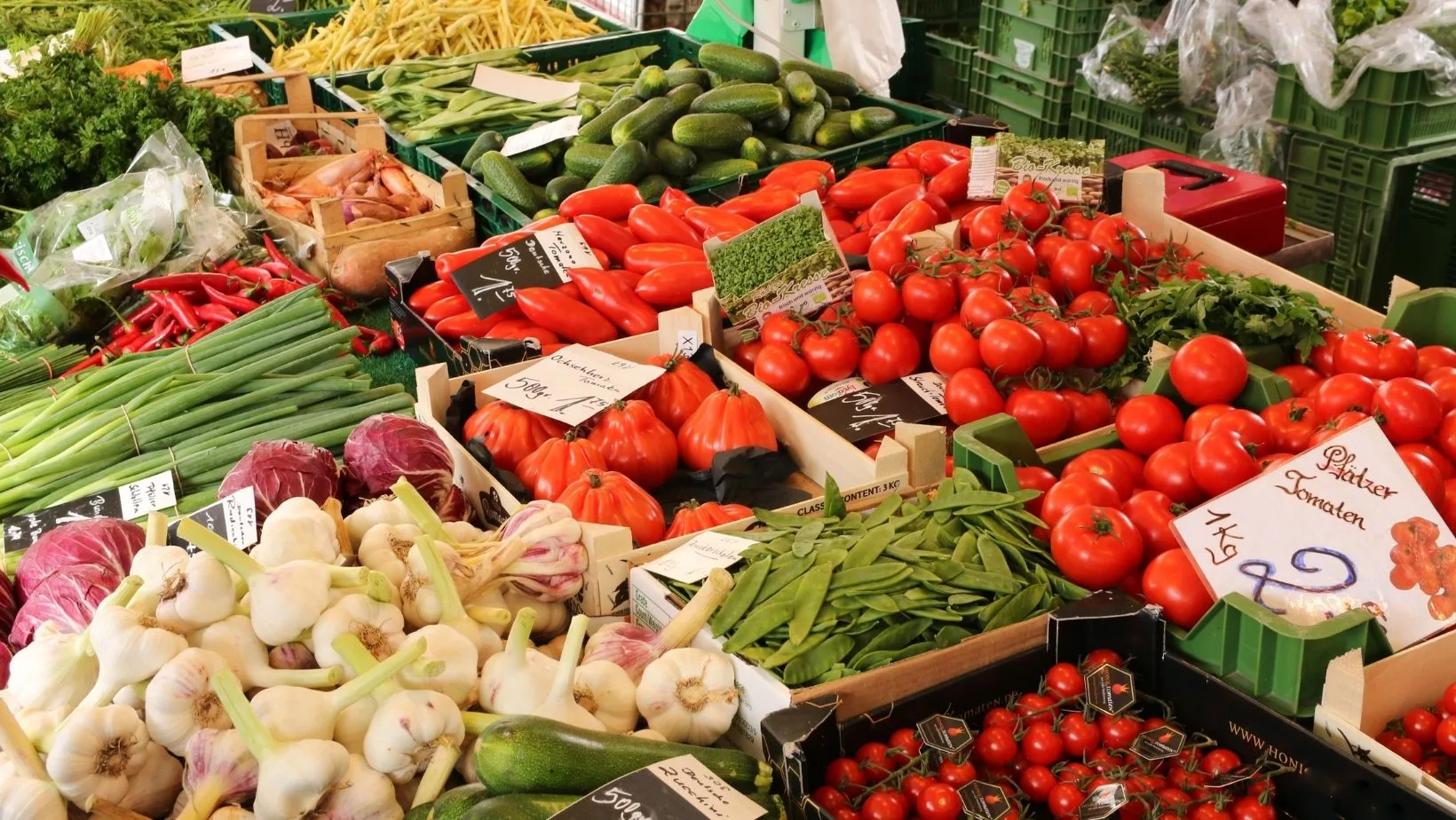

Understanding the International Agricultural Market
The international agricultural market is a vast and dynamic ecosystem, constantly evolving to meet the demands of consumers around the globe. Currently, there is a significant growth in demand for various agricultural products, driven by population growth, increasing disposable incomes, and changing dietary preferences. Key products that are experiencing enhanced interest include grains, fruits, vegetables, and organic products. Understanding these trends is vital for Nigerian producers aiming to attract international agricultural product buyers. So here are ways on How to Attract International Agricultural Product Buyers in Nigeria
International buyers are increasingly focused on the quality of agricultural products. They seek fresh produce that meets stringent quality standards, including freshness, size, and appearance. Furthermore, consumers and buyers from developed markets are demanding certified products that adhere to international regulations. Sustainability practices have become imperative; buyers are more likely to engage with producers who demonstrate environmentally responsible agricultural methods. Certification labels, such as Fair Trade and Organic, play a crucial role in this context.
In addition to quality and sustainability, potential international buyers prioritize consistent supply and reliability. The ability to meet orders on time and maintain a stable supply chain can differentiate successful producers from their competitors. Nigerian producers must be prepared to offer not only top-notch products but also dependable service. This demands an understanding of the international agricultural market’s expectations and consumer behavior, allowing for strategic positioning of their offerings.
In summary, grasping the complexities of the international agricultural market is essential for producers in Nigeria. By aligning their practices with the demands for quality, certification, and sustainability, they can effectively attract international buyers, thus enhancing their export potential and contributing significantly to the agricultural economy of Nigeria.
Identifying Your Target Market
Determining the appropriate international markets for Nigerian agricultural products requires careful consideration of various factors, as this will guide producers in aligning their offerings with market demands. Initially, market research is paramount; it involves gathering data about different regions and their specific needs for agricultural goods. This can include analyzing import statistics, understanding consumer preferences, and tracking emerging trends in international trade.
Buyer demographics play a critical role in this process. Understanding who the buyers are—their age, economic status, and cultural background—can provide insights into their purchasing decisions. For instance, markets with a growing middle class may have increased demand for quality agricultural products that boast sustainability. Therefore, producers should target these demographics to maximize their reach and resonate with potential buyers.
Regional preferences are another vital aspect. Different geographical areas may have distinct tastes or requirements for agricultural goods. For example, some regions may prioritize organic produce, while others may seek bulk supplies at lower prices. Identifying these preferences can assist Nigerian producers in tailoring their agricultural exports to suit the specific needs of various markets.
Additionally, understanding specific regulations and tariff systems within target markets is essential to facilitate smoother trade processes. This ensures that agricultural products meet legal requirements, thus enhancing their chances of acceptance. As international buyers are becoming increasingly keen on sourcing from countries that align with their ethical and quality standards, establishing a robust understanding of both market and buyer characteristics is pivotal.
In summary, investing the time and resources into thorough market research, buyer demographics, and regional preferences can significantly enhance the potential for successfully attracting international agricultural product buyers in Nigeria. By aligning offerings with these insights, producers can position themselves more effectively in the global marketplace.
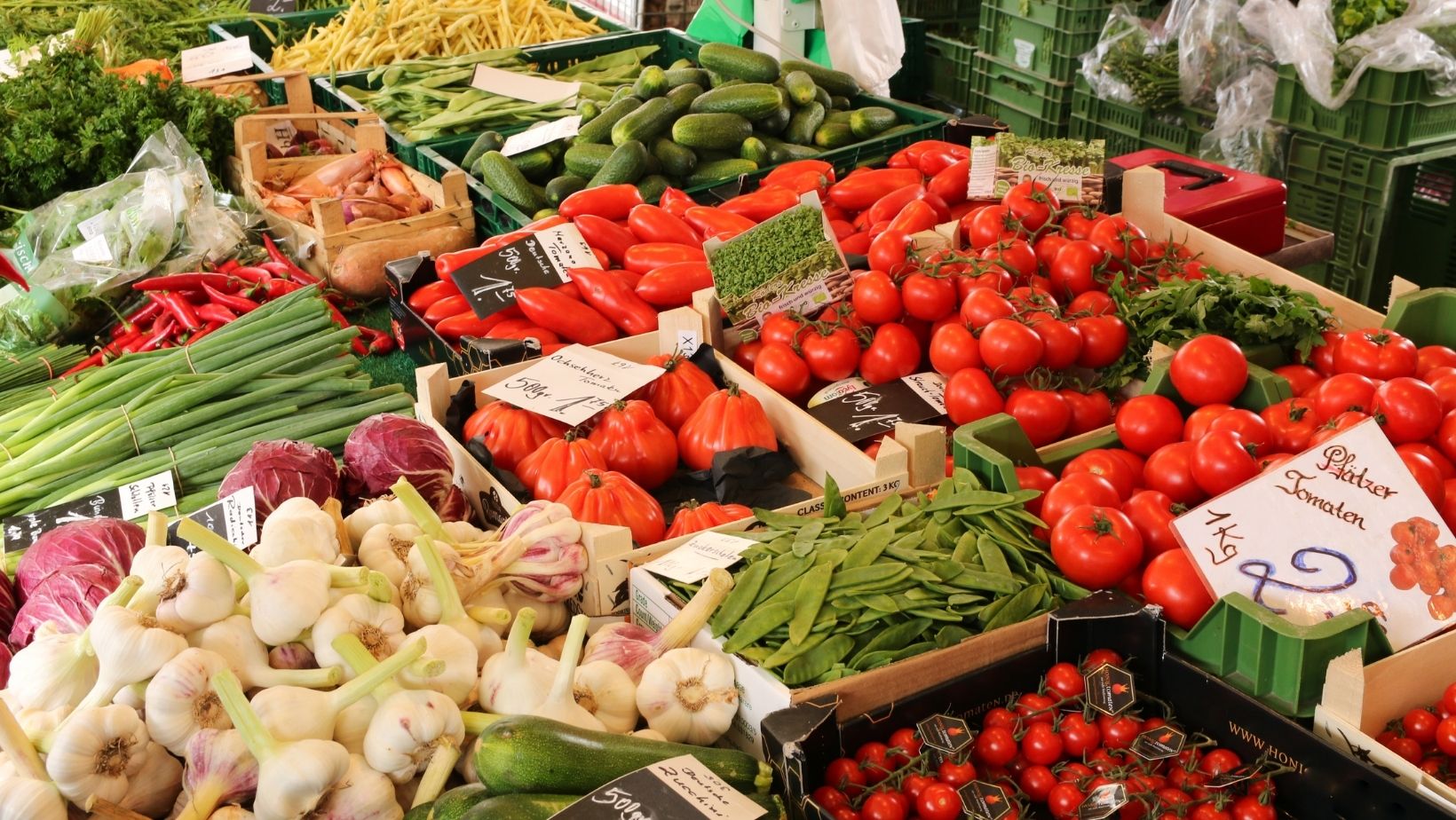
Building Quality Agricultural Products
Quality is the cornerstone of any successful agricultural enterprise, especially when it comes to attracting international buyers. In order for Nigerian agricultural products to stand out in the global market, producers must prioritize quality throughout the entire production process. This begins with employing best practices in farming techniques. Farmers should incorporate sustainable agricultural practices that not only enhance productivity but also improve the health of the soil. Techniques such as crop rotation, integrated pest management, and organic fertilization techniques must be adopted to ensure that the products are not only abundant but also of superior quality.
Post-harvest handling is another critical component in maintaining quality. Proper methods of harvesting, storage, and transportation play a significant role in reducing spoilage and maintaining the aesthetic and nutritional value of agricultural products. Implementing standard protocols, such as ensuring that harvested crops are handled delicately and stored in hygienic conditions, is essential. Furthermore, temperature control during transit ensures that perishables remain fresh until they reach their destination. Establishing these systems protects against disease proliferation and quality degradation.
Packaging also plays a vital role in attracting international agricultural product buyers. Packaging must not only preserve the quality of agricultural products but also meet international standards. This means utilizing materials that are environmentally friendly and capable of sustaining product integrity during transport. Furthermore, attractive packaging can enhance product visibility, making it more appealing to global consumers. Incorporating nutritional information and certifications can also foster trust with buyers who are increasingly looking for transparency about food sources.
In summary, the focus on quality throughout farming, post-harvest practices, and packaging is indispensable for Nigerian agriculture to compete on an international scale. By adhering to these principles, producers can cultivate trust and confidence among potential buyers, which ultimately leads to increased market opportunities.
Securing Necessary Certifications
To successfully attract international buyers for agricultural products in Nigeria, securing necessary certifications is paramount. These certifications not only enhance the credibility of the products but also open doors to lucrative markets. Among the most sought-after certifications are organic certification and fair trade certification, both of which significantly influence buyer choices and purchasing decisions.
Organic certification verifies that products are grown and processed according to specific standards that avoid synthetic fertilizers and pesticides. This certification is particularly attractive in international markets where consumers are increasingly conscious of health and environmental impacts. To obtain organic certification, farmers and producers must adhere to rigorous guidelines set by relevant certifying bodies, which often includes a thorough inspection process and maintaining comprehensive records of production practices.
Similarly, fair trade certification assures consumers that the products are produced under sustainable labor practices, ensuring fair wages and safe working conditions for farmers. This certification not only boosts product marketability but also enhances the brand’s ethical appeal. To gain fair trade certification, producers must engage with certified organizations that evaluate compliance with fair trade principles.
In addition to these well-known certifications, other relevant certifications such as Global GAP, which focuses on good agricultural practices, can also significantly improve the global marketability of Nigerian agricultural products. It is essential to understand that while the process of obtaining these certifications may seem daunting, the long-term benefits in terms of access to international markets and enhanced buyer trust make it imperative for Nigerian producers. In this increasingly competitive global market, ensuring compliance with these certifications is crucial for successful exports.
Networking and Building Relationships
To successfully attract international agricultural product buyers in Nigeria, establishing connections and forming relationships is crucial. Networking plays a pivotal role in expanding one’s reach to potential buyers and partners. One effective strategy to build these connections is by attending trade shows, which provide a platform for showcasing products and services to a global audience. By participating in these events, agricultural producers have the opportunity to meet international buyers face-to-face, exchange ideas, and create partnerships. Being present at these gatherings not only helps in understanding market trends but also allows for direct feedback from buyers, which can be invaluable for improving product offerings.
In addition to trade shows, joining agricultural associations can further enhance networking efforts. These organizations often include a diverse group of stakeholders within the agricultural sector, such as producers, buyers, and industry experts. By engaging with these associations, individual producers can gain insights into best practices, access resources, and establish their presence within the market. Associations may also organize networking events, seminars, and workshops, which are excellent opportunities for building relationships with potential buyers.
Lastly, leveraging social media platforms is an increasingly popular method for connecting with international agricultural product buyers. Platforms like LinkedIn, Facebook, and Instagram allow for widespread outreach to a global audience. By sharing valuable content, success stories, and product information, agricultural producers can attract the attention of potential buyers. Consistent engagement through likes, comments, and direct messages can further facilitate relationship building. Establishing a strong online presence not only showcases products but also signals credibility and professionalism to prospective buyers.
Utilizing Export Platforms and Trade Organizations
In the realm of international trade, establishing a connection between local agricultural producers and international buyers is crucial for the success of Nigeria’s agricultural sector. Export platforms and trade organizations play a fundamental role in this process, therefore understanding how to leverage them can significantly enhance export opportunities.
One of the key resources available to Nigerian exporters is the Nigeria Export Promotion Council (NEPC). This government agency is dedicated to promoting and facilitating the growth of non-oil exports from Nigeria. NEPC provides valuable information on export regulations, market research, and potential buyers. Additionally, they offer training programs that equip farmers and exporters with essential skills required to navigate the complexities of international trade.
Another significant player is the Nigerian Export-Import Bank (NEXIM), which supports export activities through financing and guarantees. NEXIM aims to foster an enabling environment for exporters by providing them with easier access to capital. This financial support can be pivotal for small-scale farmers looking to expand their reach to international markets.
Utilizing online export platforms can also streamline the process of connecting with international buyers. Websites such as Alibaba and TradeKey enable Nigerian agricultural producers to showcase their products globally. These platforms provide a marketplace where buyers can discover unique Nigerian agricultural products, fostering direct communication and trade negotiations.
Furthermore, participating in trade fairs and exhibitions organized by various agricultural associations allows producers to showcase their offerings directly to international buyers. Events such as the Nigeria Agricultural Show provide valuable networking opportunities and facilitate business interactions that can lead to fruitful export relationships.
In conclusion, by tapping into these export platforms and trade organizations, Nigerian agricultural producers can significantly enhance their visibility to international buyers. With strategic engagement and utilization of available resources, they can successfully navigate the export landscape and achieve broader market access.
Marketing Your Products Internationally
To effectively market Nigerian agricultural products to international buyers, various strategies can be implemented, spanning from digital marketing initiatives to the creation of strong branding elements. In today’s interconnected global market, having an online presence is essential. Establishing a professional website that showcases products and services in a visually appealing manner can significantly enhance visibility. Furthermore, utilizing platforms such as social media provides an effective avenue for engaging with potential buyers. Regular updates and posts about agricultural offerings, including their unique benefits and production methods, can attract interest and facilitate connections with international buyers.
Branding is another crucial aspect that contributes to successful marketing. A strong brand identity helps distinguish Nigerian agricultural products from competitors worldwide. This can be achieved through the development of a memorable logo, consistent packaging, and a clear narrative that reflects the values and quality of the products. A thoughtful brand story can resonate with international buyers by emphasizing sustainable farming practices and the rich culture behind each product. Utilizing storytelling in marketing efforts can help create an emotional connection, prompting buyers to prioritize Nigerian products over others.
Additionally, leveraging digital marketing strategies such as search engine optimization (SEO) and content marketing can enhance visibility. Optimizing online content with relevant keywords ensures that potential international buyers can easily discover Nigerian agricultural products. Consistently producing valuable content related to agriculture can establish authority and build trust within target markets. Moreover, attending international trade fairs or exhibitions can further promote products and create face-to-face relationships with prospective buyers, thereby solidifying export opportunities.
Addressing Challenges in International Trade
Nigeria, with its rich agricultural resources, has significant potential to engage in international trade; however, numerous challenges hinder exporters from reaching global markets effectively. One of the primary challenges is navigating bureaucratic hurdles that encompass regulatory compliance and complicated export procedures. These bureaucratic processes can lead to delays and, consequently, lost opportunities in the international market. To mitigate these issues, exporters should familiarize themselves with the legal requirements for exporting agricultural products and consider seeking assistance from export consultants who can streamline the process.
Logistics is another major hurdle that often affects Nigerian agricultural exporters. The country has faced infrastructural challenges, including poor road networks and inadequate transportation systems, which can delay deliveries and increase costs. To overcome this, exporters should invest in establishing strong relationships with reliable logistics companies that are experienced in handling agricultural products. Additionally, exploring alternative transportation methods, such as air freight for perishable goods, can help ensure timely delivery to international buyers.
Quality control is another critical aspect that exporters must manage to meet the standards set by international markets. Many foreign buyers require specific quality certifications for agricultural products, and failure to meet these standards may result in reduced sales opportunities. To address this, Nigerian exporters should adopt strict quality control measures and consider obtaining necessary certifications from recognized bodies. Implementing regular quality assessments and training staff on international standards will not only enhance product quality but also build trust with potential international buyers.
In conclusion, addressing the challenges faced by Nigerian agricultural exporters requires a proactive approach. By understanding bureaucratic processes, improving logistics, and ensuring strict quality control, exporters can strengthen their position in the international market and attract buyers effectively.
Success Stories from Nigerian Exporters
Nigeria’s agricultural sector has witnessed a remarkable transformation over the past decade, marked by the emergence of several successful exporters who have effectively attracted international buyers. One notable example is the case of a Nigerian company specializing in the export of organic ginger. Through strategic marketing and adherence to international quality standards, this company managed to penetrate the European market, establishing profitable relationships with buyers across Germany and the Netherlands. Their success stemmed from their commitment to organic farming practices, which met the increasing global demand for healthier food options.
Another inspiring success story involves a team of farmers from the northern region of Nigeria who collaborated to form an agricultural cooperative. This cooperative focused on the export of shea butter, a highly sought-after product in cosmetics and food production internationally. By pooling resources, this group was able to improve production quality and quantity, subsequently attracting buyers from the United States and various countries in Europe. Their success illustrates the benefits of collaboration and highlights how collective effort can amplify market access for small-scale farmers.
Additionally, a Nigeria-based exporter of palm oil established an online platform to showcase their products and connect directly with international buyers. By adopting e-commerce strategies and engaging with social media marketing, the exporter increased visibility and accessibility, thereby expanding their customer base to include buyers in Asia and the Middle East. This approach underscores the importance of leveraging technology in modern agricultural export practices.
These case studies collectively provide a framework for other Nigerian exporters looking to grow their international market reach. By focusing on quality, collaboration, and technology, it is possible to attract international agricultural product buyers and achieve sustained success in the global market.