



















Introduction to E-commerce in Africa
The e-commerce landscape in Africa has witnessed remarkable growth over the past decade, fundamentally transforming the continent’s economy. With increasing internet penetration and mobile phone usage, consumers are increasingly engaging in online shopping, marking a significant shift in buying behaviors. According to various reports, internet connectivity across Africa has improved tremendously, enabling a larger segment of the population to access e-commerce platforms like Comilmart, which cater to diverse local needs.
Click here to register and start selling on Comilmart
Mobile commerce, in particular, has surged, with many shoppers leveraging their smartphones to make purchases. This trend is not merely a reflection of accessibility but also indicative of changing attitudes towards digital commerce. Consumers are becoming more accustomed to online sales channels, with trust in e-commerce systems growing steadily. Platforms facilitating online sales provide diverse products ranging from agriculture to agro-related goods, making it easier for vendors to reach a broader audience.
The significance of e-commerce in Africa extends beyond mere shopping transactions. It plays a critical role in boosting economic development by empowering small and medium-sized enterprises (SMEs) in the agricultural sector and enhancing export opportunities. Through platforms like Comilmart, local vendors can not only showcase their products but also engage with consumers nationwide and even internationally. This democratization of access fosters competition and innovation, allowing for better pricing and quality in the marketplace.
Overall, the growth of e-commerce is paramount for Africa’s economic landscape. It reflects an evolution in consumer preferences and business practices, enabling a vibrant online marketplace that supports various sectors, particularly agriculture. As the continent continues to embrace this digital shift, the future of online shopping looks promising, presenting many opportunities for vendors and consumers alike.

“Mangala Fish
$42.66
“Mangala Fish – a smoky, flavorful Nigerian delicacy, carefully smoked to preserve freshness and enhance taste, perfect for soups and stews.”
$ USD
Key E-commerce Platforms in Africa
Africa’s e-commerce landscape is rapidly evolving, characterized by a variety of platforms catering to diverse consumer needs. Among the leaders in this burgeoning market is Comilmart, a versatile e-commerce platform that focuses on agricultural products and related services. Comilmart exemplifies how e-commerce can enhance online sales for vendors, particularly in the agriculture and agro sectors, providing essential support for producers and consumers alike.
One prominent category of e-commerce platforms in Africa includes general marketplaces such as Jumia and Konga. These platforms offer a vast range of products from electronics to groceries, bringing together various vendors under one digital roof. Their business models often incorporate revenue generation through commissions on sales, making them attractive options for entrepreneurs looking to expand their reach into the online shopping space.
Specialized stores, like Comilmart, also play a crucial role in the marketplace. By focusing on niche markets, such as agricultural goods, these platforms provide a tailored shopping experience that meets the specific needs of both local farmers and consumers seeking fresh produce. This targeted approach helps vendors build loyal customer bases who appreciate their focus and expertise in particular industries.
Furthermore, local services platforms have gained momentum in Africa, connecting service providers with customers through user-friendly applications. These platforms facilitate everything from food delivery to home repairs, enhancing the way people engage in e-commerce. The integration of localized services reflects a growing trend towards personalized interactions in online environments, allowing consumers to find what they need quickly and efficiently.
Overall, the diverse range of e-commerce platforms in Africa, exemplified by Comilmart, highlights the continent’s potential for growth in the agricultural sector through innovative online retail solutions. As the industry continues to evolve, these platforms are expected to adapt and thrive, driving further engagement in online shopping and commerce across the region.




Product on sale
De- royal moringa body oil x12
Original price was: $38.00.$35.15Current price is: $35.15.
De-Royal Moringa Body Oil is a 100% natural, multi-purpose skincare oil made from moringa seed extract. Rich in antioxidants and essential nutrients, it deeply moisturizes, soothes skin irritations, and helps reduce signs of aging. Its lightweight, fast-absorbing formula makes it ideal for use on the face, body, hair, and scalp—providing nourishment without greasiness. Suitable for all skin types and free from harmful chemicals.
$ USD
The Rise of Comilmart: A Case Study
Comilmart has emerged as a pivotal player in the e-commerce landscape of Africa, reflecting a dynamic growth trajectory since its inception. Launched with the vision to facilitate online sales tailored to the unique needs of African consumers, the platform has successfully bridged the gap between local vendors and buyers looking for agricultural and agro-products.
Focusing on an intuitive user experience, Comilmart has designed its interface to be accessible to a broad audience, allowing consumers to navigate product offerings with ease. What sets Comilmart apart from its competitors is its dedicated focus on agriculture and agro-related products, which are vital for the continent’s economy. By partnering with local farmers and vendors, Comilmart ensures a diverse range of products while supporting local businesses and ensuring that consumers have access to fresh, quality goods.
As the demand for online shopping continues to rise across Africa, Comilmart’s unique positioning and strategies for market penetration have enabled it to capture a significant share of the e-commerce market. The platform’s outreach initiatives, including training programs for vendors, have equipped local sellers with the tools necessary to thrive in the digital marketplace.
User testimonials and success stories underscore Comilmart’s positive impact, highlighting how local vendors have increased their sales and visibility through the platform. Many users express satisfaction with the quality of products and the seamless shopping experience, reinforcing the platform’s reputation as a trusted destination for agricultural goods.
In conclusion, the case study of Comilmart illustrates not only the company’s growth in the e-commerce sector but also its commitment to transforming the landscape for agriculture-related online shopping in Africa, making it a noteworthy example in the realm of online sales.

Product on sale
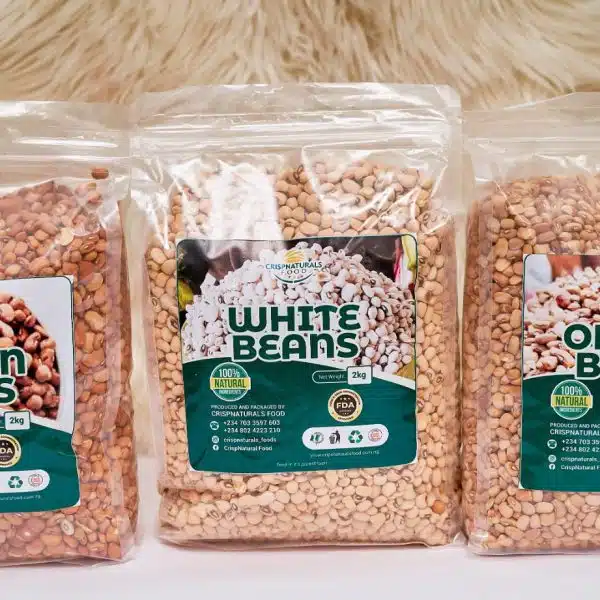
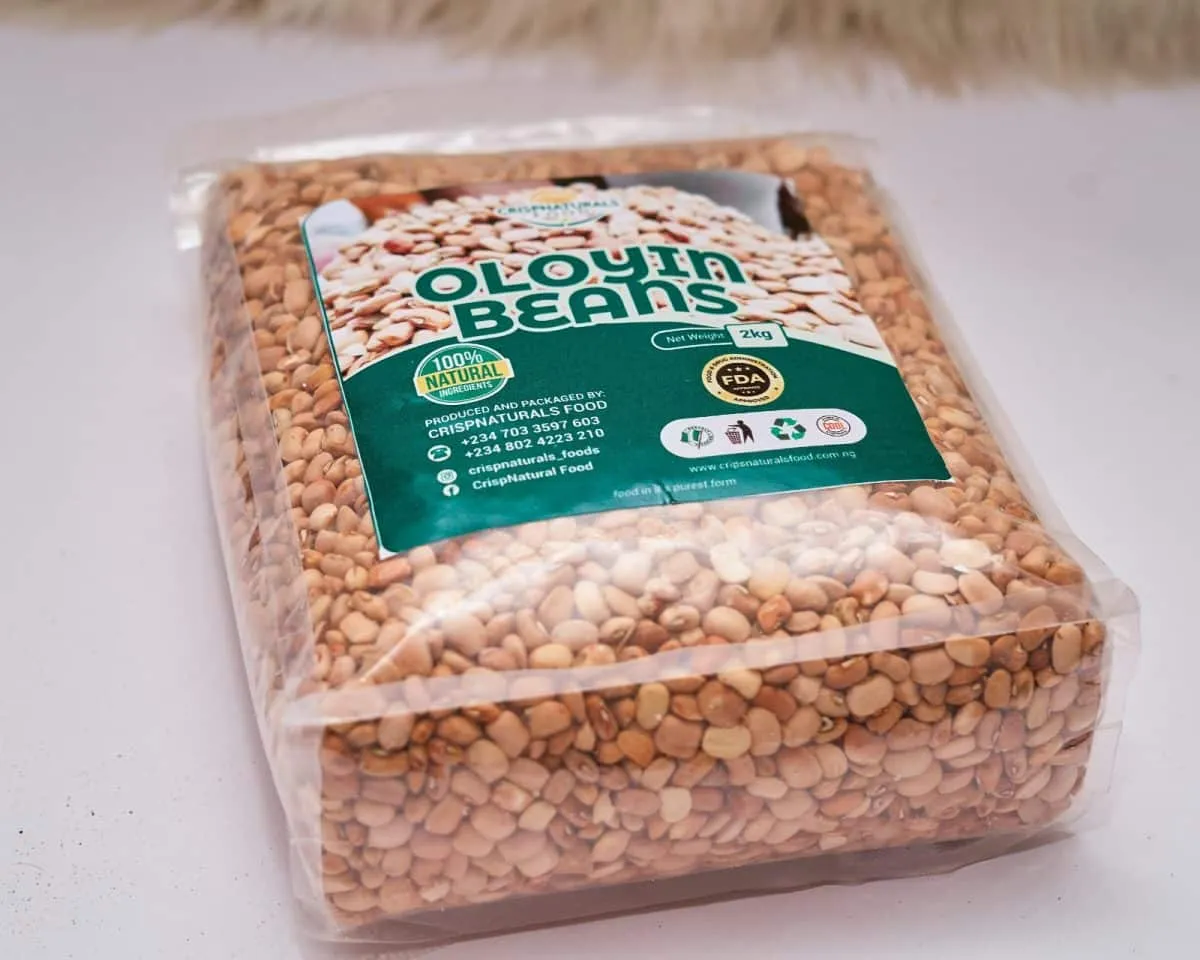
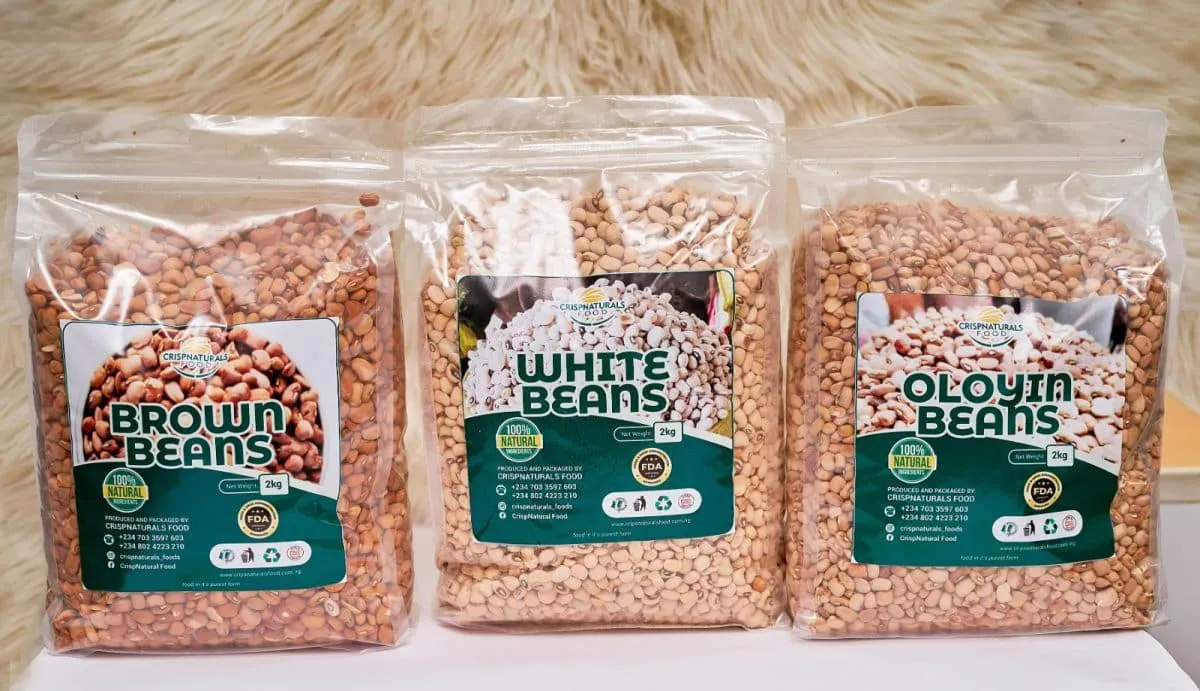
Crip Natural Foods Premium Oloyin Honey Beans – 2kg
Original price was: $5.10.$5.08Current price is: $5.08.
Enjoy the rich, naturally sweet flavor of Crip Natural Foods Oloyin Honey Beans, carefully sourced, cleaned, and processed to ensure top quality. Oloyin beans—popularly known as “honey beans”—are prized for their natural sweetness, quick-cooking nature, and soft texture.
$ USD
Future Trends and Challenges in African E-commerce
The African e-commerce landscape is witnessing rapid transformations, largely driven by innovations in technology and changing consumer behaviors. One notable trend is the development of advanced payment solutions tailored to the unique needs of the African market. Mobile wallets and digital payment platforms are becoming increasingly popular, as they enhance the accessibility of online shopping for consumers. With the growing adoption of smartphones, platforms like Comilmart are poised to capitalize on these payment innovations to streamline the buying process and increase online sales.
Logistics is another critical area undergoing reform in the e-commerce sector across Africa. Efficient delivery systems are paramount to the success of online shopping platforms. The rise of localized solutions, such as partnerships with local couriers and the implementation of drone delivery, aims to tackle the logistical challenges posed by inadequate infrastructure. As vendors strive to effectively bring agricultural products and other goods to market, improvements in logistics will significantly enhance the customer experience, reinforcing consumer trust in e-commerce.
Despite these promising trends, e-commerce platforms face considerable challenges. Infrastructure issues, particularly in rural regions, limit the reach of online sales and hinder market efficiency. Moreover, growing competition among vendors can dilute market share, pressuring e-commerce platforms to innovate continuously. Building and maintaining consumer trust also remains paramount, as security concerns can deter potential customers from engaging in online shopping. To address these challenges, stakeholders must collaborate on solutions that enhance internet access, strengthen logistics networks, and establish robust consumer protection regulations. As these developments unfold, Comilmart and similar e-commerce platforms are likely to play an instrumental role in shaping the future of online commerce in Africa.