

















Estimated reading time: 5 minutes
Africa is no longer just a source of raw materials—it is fast becoming a global marketplace of finished products, culture-rich goods, and innovative brands. From Nigerian agro-products and fashion to Ghanaian cocoa, Kenyan tea, Ethiopian coffee, and South African crafts, African businesses are increasingly positioned to serve buyers across Europe, North America, the Middle East, and Asia.
The biggest shift driving this transformation is online exporting. Today, African entrepreneurs no longer need foreign agents, expensive showrooms, or overseas offices to sell internationally. With the right strategy, digital platforms, and logistics partners, African businesses can export products online successfully from their home countries.
This comprehensive guide explains how African businesses can export products online, the requirements, challenges, solutions, and why Comilmart is emerging as one of the most reliable platforms supporting African exporters.
What Does It Mean to Export Products Online?
Exporting products online means selling goods to international buyers using digital channels such as:
- E-commerce marketplaces
- Business-to-business (B2B) platforms
- Direct-to-consumer (DTC) websites
- Social commerce integrated with payment and shipping systems
Instead of relying on traditional exporters or bulk-only buyers, online exporting allows African businesses to:
- Sell directly to global consumers
- Accept international payments
- Ship products across borders
- Build global brands from Africa
Platforms like Comilmart make this process easier by connecting African sellers with verified buyers and export-ready tools.
Why African Businesses Should Export Online
1. Access to Global Markets
Online exporting opens African products to millions of buyers worldwide who actively search for authentic, organic, and ethically sourced goods.
2. Higher Profit Margins
Selling directly to international buyers reduces middlemen and increases earnings per unit.
3. Currency Advantage
Earning in USD, GBP, or EUR provides stability against local currency fluctuations.
4. Brand Visibility
African brands can build global recognition and long-term customer loyalty.
5. Scalable Growth
Online exporting allows businesses to scale gradually without heavy infrastructure costs.
Best African Products to Export Online
African businesses have a wide range of export-ready products, including:
Agro & Food Products
- Dried fish and crayfish
- Palm oil and groundnut oil
- Cocoa, coffee, tea
- Spices and herbs
- Shea butter and honey
Fashion & Textiles
- Ankara and Aso Oke fabrics
- Leather footwear and bags
- Handmade accessories
Beauty & Wellness
- Natural skincare products
- Black soap and essential oils
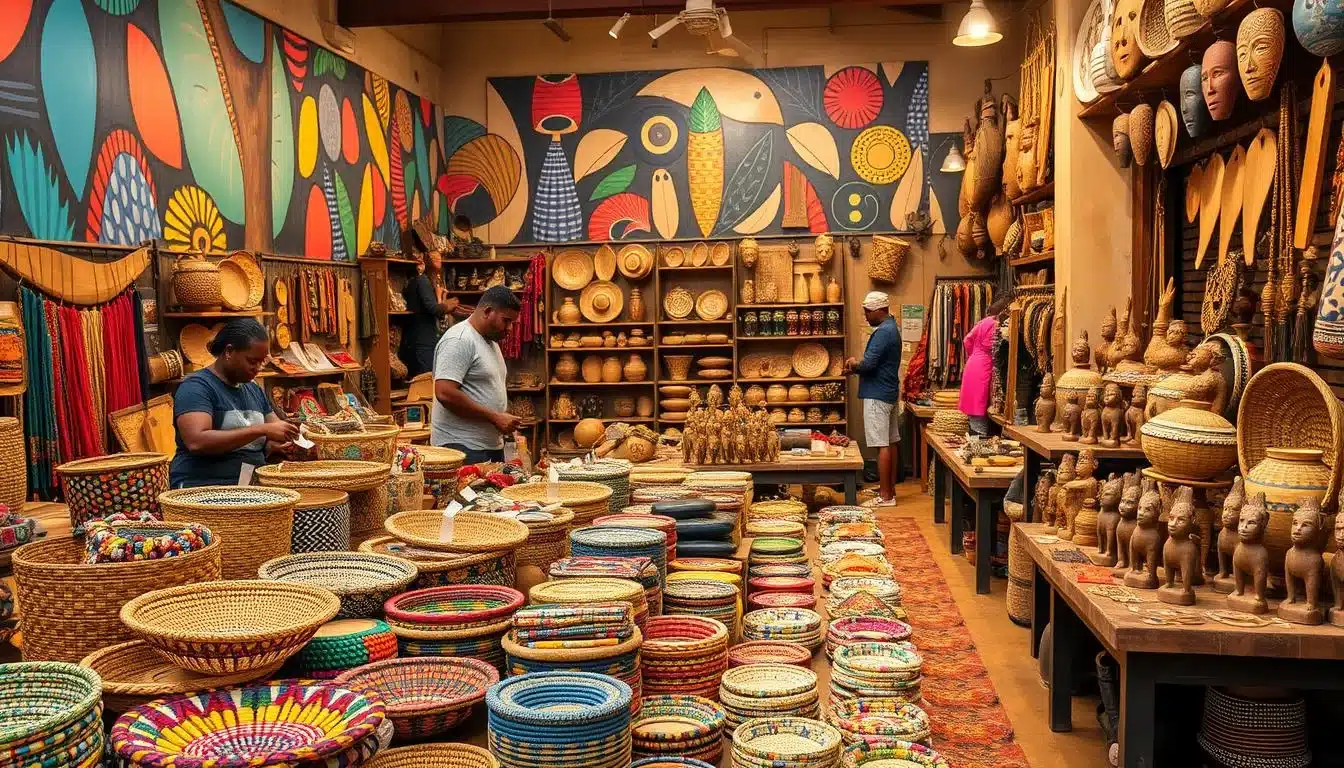
Crafts & Home Decor
- Wooden sculptures
- Beads and baskets
- Artwork and souvenirs
These products perform well internationally due to their uniqueness and cultural value.
Step-by-Step Guide: How to Export Products Online from Africa
Step 1: Register Your Business Properly
To export legally, African businesses must:
- Register with local authorities
- Obtain tax identification numbers
- Register with export promotion councils where required
This builds credibility with buyers and platforms.
Step 2: Ensure Product Compliance & Quality
International buyers expect:
- Proper packaging
- Accurate labeling
- Quality consistency
- Food and safety compliance where applicable
For agro-products, certifications may be required depending on destination markets.
Step 3: Choose the Right Online Export Platform
Not all e-commerce platforms support African exporters effectively.
What to look for:
- International buyer access
- Export-friendly logistics
- Multi-currency payments
- Vendor protection
- African-focused support
Comilmart stands out as a platform built specifically to help African businesses sell locally and internationally from one dashboard.
👉 Visit: https://comilmart.com
Step 4: Set Competitive Export Pricing
Export pricing should consider:
- Product cost
- Packaging
- Platform fees
- Shipping and customs
- International payment charges
Comilmart helps vendors display transparent pricing to global buyers.
Step 5: Set Up International Payments
Successful exporters accept:
- Debit & credit cards
- International bank transfers
- Secure online payment gateways
Comilmart supports flexible payment options suitable for African sellers and global buyers.
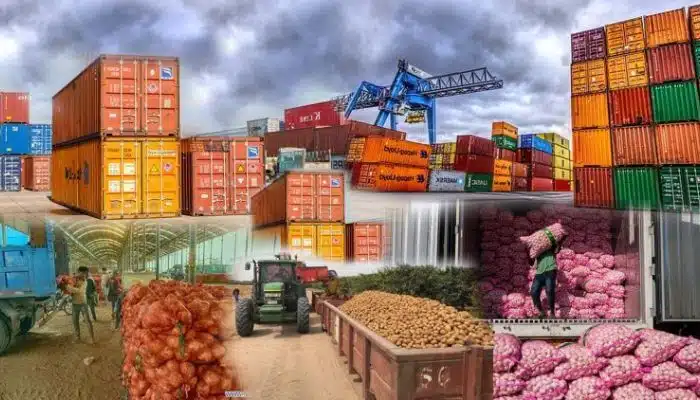
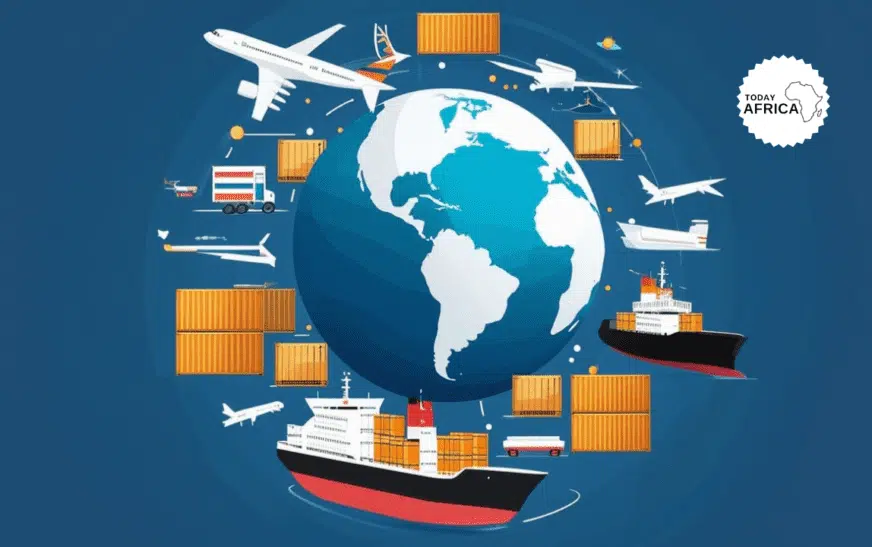
Step 6: Choose Reliable International Logistics
Logistics is one of the biggest challenges for African exporters.
Best practices include:
- Using verified courier partners
- Proper documentation
- Clear delivery timelines
- Shipment tracking
Comilmart integrates logistics solutions that reduce delays and buyer disputes.
Export Documentation African Businesses Need
Common export documents include:
- Commercial invoice
- Packing list
- Certificate of origin
- Export permit
- Bill of lading or airway bill
Requirements vary by country and product category.
Common Challenges African Exporters Face (And Solutions)
Challenge 1: Trust Issues with International Buyers
Solution: Sell on trusted platforms like Comilmart that provide buyer verification and dispute resolution.
Challenge 2: High Shipping Costs
Solution: Use consolidated shipping and negotiate bulk rates through platforms.
Challenge 3: Payment Delays
Solution: Use escrow or secure payment systems.
Challenge 4: Regulatory Confusion
Solution: Follow platform guidelines and consult export councils.
How Comilmart Helps African Businesses Export Successfully
Comilmart is more than a marketplace—it is an export enabler.
Key Benefits:
- Access to local & international buyers
- Multi-vendor marketplace structure
- Export-friendly listing system
- Vendor dashboards
- Logistics coordination
- Payment flexibility
Comilmart empowers African businesses to grow beyond borders without complex setups.
Africa’s Export Future & AfCFTA
The African Continental Free Trade Area (AfCFTA) is boosting intra-African and global trade.
Learn more: https://au-afcfta.org
Digital platforms like Comilmart align with AfCFTA’s vision by enabling cross-border commerce.
Tips for Long-Term Export Success
- Focus on product quality
- Communicate clearly with buyers
- Invest in branding
- Learn international trade basics
- Use data and customer feedback
Final Thoughts: Go Global with Confidence
Exporting products online is no longer optional—it is essential for African business growth.
With the right platform, compliance, and logistics support, African entrepreneurs can compete globally and build sustainable export businesses.
Comilmart provides the tools, visibility, and trust African businesses need to export confidently and successfully.
👉 Start exporting today: https://comilmart.com
#AfricanExport #ExportFromAfrica #AfricanBusinesses #GlobalTradeAfrica #SellAfricanProducts #Comilmart #EcommerceAfrica #AfCFTA #AfricanEntrepreneurs #MadeInAfrica