
Sourcing & Trade Guide
Selling to Nigeria from China: Market Guide for Exporters (2026)
Comilmart Team
October 22, 2026
To export to Nigeria from China, you need three things: a real Nigerian importer, the right product certificates, and a safe payment plan. Nigeria is a large market with many buyers, but the rules are strict and payment needs care. This guide explains the main steps in plain words.
This is general information. Rules change, so confirm current requirements with your Nigerian importer and the agencies named below.
Why Nigeria is worth your time
Nigeria is a large consumer market in West Africa. China's customs data, as reported by the media, show that China's exports to Africa grew strongly in 2025. For the first eight months of 2025, reported exports to Africa were US$140.79 billion, up 24.7% year on year. Nigeria is one of the big destinations in that flow, but we do not have a verified Nigeria-only number, so we do not quote one.
What matters for you is simple. Many Nigerian businesses need machines, building materials, electrical goods, spare parts, packaging and consumer goods. Many of them already buy from China.
Who buys: Nigerian importers and traders
Most of your buyers will be Nigerian importers. They fall into a few groups:
- Lagos traders and wholesalers. They buy many product types, in container loads or part loads, and sell to shops across the country.
- Factories and contractors. They buy machines, parts, steel and building materials for their own use.
- Distributors and brand owners. They want a steady supplier and often want exclusive rights for a region.
Traders often ask for small first orders and low prices. Factories and distributors ask for quality papers and after-sales support. Treat each group differently. Our post on how to verify an African buyer shows how to check any of them before you ship.
Nigeria import regulations you must know
Nigeria import regulations are the importer's job first, but they affect your goods. Two points matter most.
- Form M. According to a trade-inspection company's guide, Nigerian importers must open an electronic Form M through an authorised bank before shipping. The importer needs company registration, tax registration, a proforma invoice and insurance. For goods that SON regulates, a Product Certificate is also needed. The same guide says the form is valid for 180 days at first. Ask your buyer to confirm this with their bank.
- SONCAP. Many product groups need a SONCAP certificate. This is the biggest rule for most Chinese factories.
Your buyer should send you their Form M details before you start production. If they cannot, treat that as a warning sign.
SONCAP for Chinese exporters
SON, the Standards Organisation of Nigeria, sets the product rules. SON authorises several Independent Accredited Firms (IAFs) to provide SONCAP services. You apply through one of them. Product groups named in public guides include electrical and electronic goods, building materials, industrial machinery, automotive parts, steel products, gas appliances, lighting and consumer goods.
You may see two documents: a Product Certificate (PC) and a SONCAP Certificate (SC). One vendor article from July 2026 says Bureau Veritas no longer processes new SONCAP requests. If that is true for your case, you need another SON-authorised firm. Check SON directly. Read our full guide: SONCAP for Chinese exporters.
Lagos Apapa Tin Can port and the other gateways
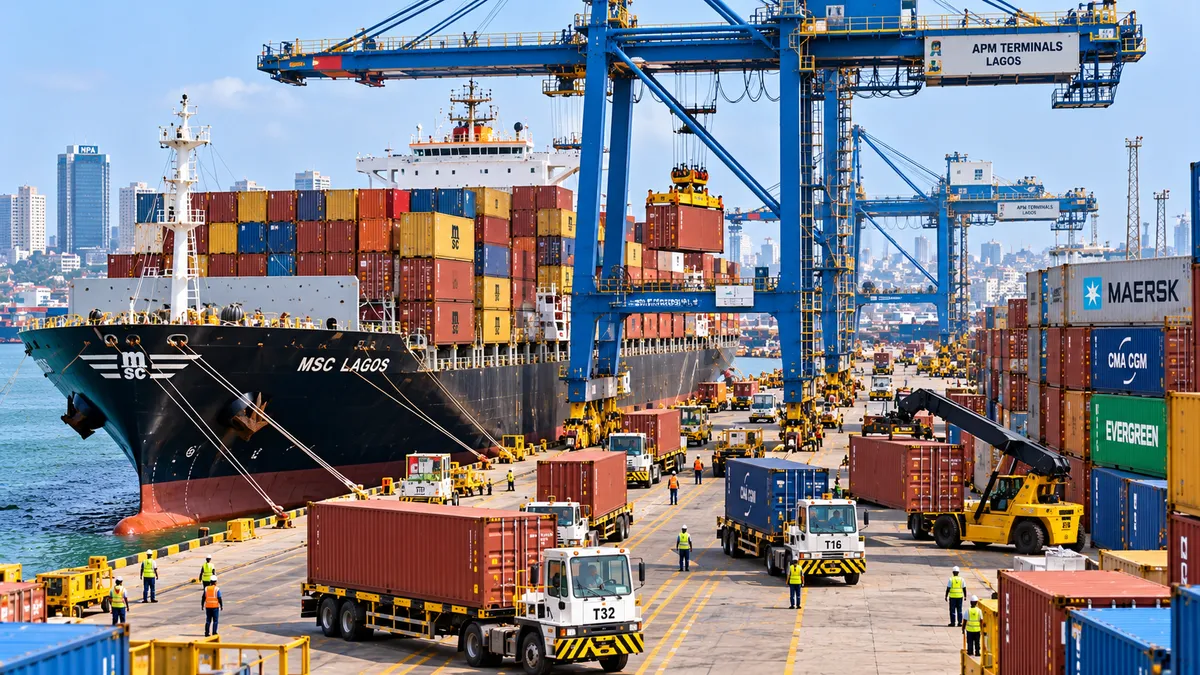
Most sea cargo for Nigeria goes through Lagos. The main ports are Lagos Apapa Tin Can port (two separate ports, Apapa and Tin Can Island) and the Lekki Deep Sea Port. Public guides describe Apapa as Nigeria's largest port, Tin Can as strong in vehicle and roll-on cargo, and Lekki as a newer deep-water port in the Lagos Free Zone.
Ask your buyer which port and terminal they prefer. Their clearing agent knows the current situation better than any guide. Port delays and extra storage costs can happen anywhere, so write the delay rules into your contract. See shipping from China to Africa for more.
Naira payment risk and how to plan for it
Naira payment risk is real. Your buyer earns naira, but you want US dollars or yuan. When dollars are hard to get, bank transfers can be slow, and the buyer may ask you to wait. We do not have a verified statistic on delays, so we will not give one. Plan for it:
- Quote in US dollars and say so clearly on the proforma invoice.
- Take a deposit before you buy materials. Do not start production without it.
- Keep the balance due before the goods are released, or use a letter of credit for large orders.
- Do not agree to payment in naira unless your finance team has approved the exchange rate risk.
More options are in payment terms with African buyers.
Products that fit Nigeria
Do not guess. Ask your buyers what sells. Common needs include power and lighting products, building materials, machines for food and packaging, vehicle parts, and household goods. Whatever you sell, check if it needs SONCAP, and check if there are import bans or extra rules for it. Your importer or clearing agent can confirm.
Frequently asked questions
Do all products need SONCAP? No. It applies to regulated product groups. Ask your importer and check with SON for your HS code.
Should I quote FOB or CIF to Nigeria? Both are used. Many buyers have their own forwarder, so FOB is common. See FOB vs CIF quotes.
Can I sell to Nigeria with no local agent? Yes, but your buyer needs a licensed clearing agent. Some factories also keep a local contact for follow-up.
How do I find real Nigerian buyers? Use trade fairs, B2B platforms and referrals. Always verify before you ship.
Getting started
Start small. Pick one product, check its Nigerian rules, get your certificates, and agree payment terms in writing. Ready to reach buyers? Apply as a supplier on Comilmart — there are no listing fees to get started. Comilmart connects buyers with verified manufacturers across Africa.