
Sourcing & Trade Guide
How to Verify an African Buyer Before You Ship
Comilmart Team
October 22, 2026
To verify African buyer companies, check that the company exists, speak to real people on video, ask for references, and take a deposit before you spend money on production. No single step is enough. A good buyer will not mind these checks, and a bad one will often disappear when you ask. Use these steps to avoid scams African buyers sometimes run.
This is general information. Scammers change their methods, so use your judgment and ask your bank and forwarder for advice.
Why a buyer verification checklist matters
Most African buyers are honest businesses. But some fake buyers copy real company names, send fake purchase orders, and ask for samples or advance fees. Chinese factories can lose goods, money and time. The cost of a few hours of checking is small compared to a lost container. Use this buyer verification checklist for every new customer, even large ones.
Step 1: Check the company exists
- Ask for the company's full legal name, registration number, address and the name of a director.
- Check the number with the official company registry of that country. Each country has one. For example, in Nigeria, companies are registered with the Corporate Affairs Commission (CAC). A company registration check Nigeria usually means searching the CAC public records, or asking a local agent or lawyer to do it. Confirm the current process on the official website.
- Match the name on the registry to the name on the purchase order, the invoice and the bank account. If they differ, ask why.
- Look for a physical address on a map. A shop or office that looks real is a good sign, not proof.
Step 2: Talk to real people on video
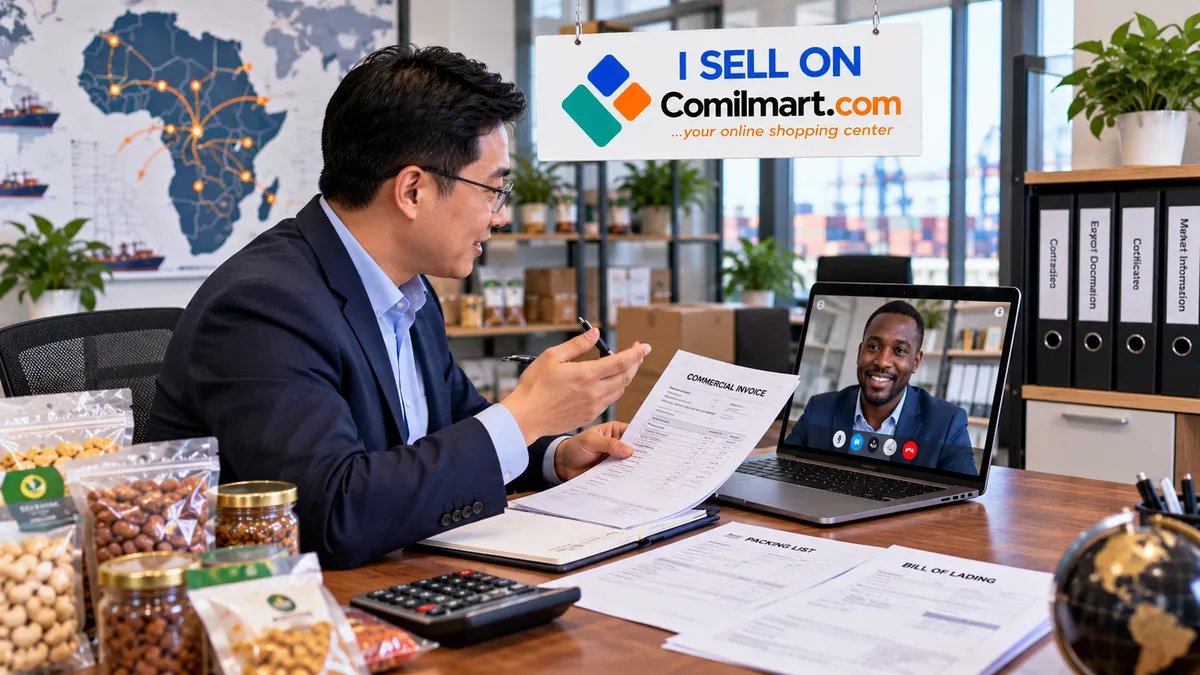
Ask for a video call, not only chat. Ask to see the office, the warehouse or the shop. Ask them to explain how they will sell your product, who their customers are and how they will clear the goods at the port. Real importers know this. Fake ones give vague answers.
Use more than one contact. Find the company's phone number from an independent source, such as the registry or their official website, and call it. Do not rely only on a number in an email.
Step 3: Ask for references and a trade history
Ask about their past imports. Which products? From which suppliers? Ask for a reference you can call: another supplier, a bank contact or a customer. Ask if they have used a clearing agent and for the agent's name. A real importer can usually tell you. Also check their website, social media and any marketplace profile for signs of a real, active business. New companies can be honest, but then lower your risk by using stronger payment terms.
Step 4: Fake purchase orders and common red flags
Learn the signs of fake purchase orders and scams to avoid:
- A very large first order, with pressure to ship quickly.
- The buyer wants your product at a price that is too good to be true, or does not negotiate at all.
- Overpayment: the buyer pays too much and asks you to send the extra back to a third party.
- The buyer asks you to pay a fee first, for customs, a licence or a "local agent".
- Only a free email address, no company email and no website.
- Bank details that change by email at the last minute.
- The buyer refuses a video call or a deposit.
- A purchase order that looks copied from a real company, with spelling or logo mistakes.
One red flag is not proof. Several together mean you should stop. Comilmart also keeps a scam alert page. See it for current guidance.
Step 5: Protect yourself with payment and shipping
- Take a deposit before production. See payment terms with African buyers.
- Do not release original documents before the balance is paid or a bank confirms an L/C.
- Ask who the buyer's freight forwarder is, and check them. Be careful if a stranger insists on a forwarder you cannot check. A trusted forwarder can often tell you if a consignee is known at the port.
- Write the consignee name exactly as on the registry. Learn more in FOB vs CIF quotes.
Due diligence on importers: keep records
Good due diligence on importers is also about records. Keep a file for each buyer: registry check, call notes, emails, references, order and payment records. If something goes wrong, your bank, forwarder or a lawyer will ask for it. It also helps your team repeat the process.
Chat apps are common in African trade. Keep important agreements in email or on the contract, not only in chat. See WhatsApp B2B sales with African buyers.
Frequently asked questions
Can I trust a buyer who gives me a registration number? Check it. Numbers can be copied from another company.
Is a deposit enough protection? A deposit protects your costs, but not your whole risk. Use it together with the other checks.
What if the buyer is new but honest? Offer a small first order with strong payment terms, then build trust.
Where can I find real buyers? Start with trusted channels and referrals. See best products to sell to Africa from China for ideas.
Getting started
Make this checklist a standard form that every salesperson fills in before the first quote. Want to avoid scams and reach buyers? Apply as a supplier on Comilmart — there are no listing fees to get started. Companies on Comilmart go through a verification (KYS) review.