













1. Introduction
Retail in Nigeria is changing fast. With the explosion of internet access, smartphone ownership, fintech, and delivery/ logistics improvements, online stores are becoming more viable than ever. Yet physical stores are still deeply rooted in culture—people like touching, seeing, feeling products before buying; they value face‑to‑face service. For many entrepreneurs, the question is: Should I open an online store, a physical store, or both?
This post will help you understand the trade‑offs, backed by data and insights, so you can decide what is best for your business. We’ll also show why Comilmart, supported by Macvertech, is one of the strongest online marketplace options in Nigeria, offering what many online stores struggle to deliver alone.
You may like to read: The Future of E-commerce in Africa: Predictions, Trends & Opportunities
2. The Retail Landscape in Nigeria: A Snapshot
Before comparing, let’s see where we are as of 2025.
- Nigeria’s eCommerce market revenue is projected to grow at a CAGR of ~11–12% between now and 2027, reaching several billion dollars. (GO-Globe)
- Internet penetration continues to increase; mobile broadband & smartphones are more affordable. (How we made it in Africa)
- Physical retail still dominates in many categories (groceries, perishable goods, informal markets) partly because of seeing/touching, location convenience, trust in person‑to‑person transactions. Studies show many Nigerians still prefer in‑store for items they want immediately or need to inspect. (IBIMA Publishing)
- But online retail is growing fast, especially in electronics, fashion, home & living, beauty & personal care categories. Digital payment adoption is improving. (eCommerceDB)
Given that, it’s clear both models have opportunity—what matters is choosing the right one (or combination) given your business, product, customers, and resources.
3. What Is an Online Store? What Is a Physical Store?
| Term | Definition / Key Features |
|---|---|
| Online Store | A web or app‑based platform where customers browse and order products/services online; fulfillment via delivery or pickup. Operates 24/7, no physical showroom required. |
| Physical Store (Brick‑and‑Mortar) | A location where inventory is stored, people walk in, inspect goods, purchase onsite, often take the goods home immediately. Requires rent, staff, stocking, overhead. |
Some businesses run both (hybrid or omnichannel), e.g., physical showroom + online store, or online store + pop‑up shop.
4. Advantages of an Online Store in Nigeria
Here are the major benefits of choosing an online store:
A. Lower Startup & Overhead Costs
- No rent in prime locations; no need for large display space, lighting, decor, huge staff to manage walk‑ins.
- Reduced costs for things like utilities, security, interior maintenance.
- Tools like marketplaces (e.g. Comilmart) allow vendors to join with minimal capital—just inventory, product photography, listing, shipping logistics.
B. Wider Reach & Market Access
- Sell to customers anywhere you can deliver: within your city, state, or nationwide. Physical stores are limited to local foot‑traffic.
- Access to diaspora, remote areas.
- More product visibility through search engines, social media, comparison sites.
C. 24/7 Operations
- Online store is always open; customers can browse, order, and pay at any time (night, weekend, holiday). Physical stores have fixed hours.
- Capturing impulse purchases or orders outside typical business hours adds revenue.
D. Flexibility & Scalability
- Easier to scale product catalog, add new SKUs, test new items, update pricing swiftly.
- Can scale operations, marketing, logistics without needing to double physical space.
- Data analytics: track which products are popular, customer behavior, conversion, traffic, to optimize offerings.
E. Product Range & Availability
- You can list many more products than you could physically display.
- Access to foreign brands, niche products not stocked at every physical store. Nigeria studies show 59% of consumers buy online to find items not available in physical stores. (How we made it in Africa)
F. Convenience for the Customer
- Home delivery, pick‑up options; no travel required. Big in cities with traffic and distance issues.
- Avoid queues, parking, commuting time.
- Better price comparison: customers can compare many online stores / listings for the best deal.
5. Advantages of a Physical Store in Nigeria
Despite the many strengths of online retail, physical stores have unique benefits:
A. Immediate Product Inspection & Instant Gratification
- Customers can touch, feel, try product (e.g. clothes, shoes, electronics). For many, this builds trust.
- Can instantly take product home—no waiting for delivery.
B. Trust & Credibility
- Seeing a shop, talking to staff in person increases trust, especially in contexts where online fraud is a concern.
- Local businesses with physical presence may be seen as more reliable.
C. Tailored Customer Experience
- Staff can provide personalized advice, demonstrate product, upsell in person.
- Visual merchandising can influence purchases; store layout, atmosphere, display matter.
D. No Delivery Delays or Logistics Challenges
- No costs or delays from shipping. Particularly for bulky or fragile products, physical purchase avoids risk of damage in transit.
- Easier immediate returns or exchange.
E. Local Demand & Foot Traffic
- Certain communities prefer shopping physically. In markets or malls, people prefer to window shop, browse, compare physically.
- Physical presence can be a branding asset—billboards, signage, walk‑ins.
6. Disadvantages & Challenges of Each Model
To make an informed decision, you must understand what can go wrong:
A. Online Store: Challenges
| Issue | Explanation |
|---|---|
| Delivery & Logistics Issues | Poor roads, transport costs, delays, damaged goods in transit; customers sometimes distrust delivery. |
| Trust and Fraud Concerns | Customers worry about fake products, scams, wrong items, pictures different from actual product. Nigeria studies show concern about quality and inability to inspect goods. (IBIMA Publishing) |
| High Return Rates | Without physical inspection, product may not meet expectations; returns cost both shipping and restocking. |
| Payment Issues | Cash‑on‑delivery lower risk; online payments may face refusals, fraud, and trust issues. Not everyone has bank or card access. |
| Dependence on Tech & Internet | If website is down, slow, or payment gateways fail, you lose sales. Rural areas still have weak internet. |
B. Physical Store: Challenges
| Issue | Explanation |
|---|---|
| High Overheads | Rent, staff wages, utilities, security, inventory cost, display. Prime areas are expensive. |
| Limited Reach | Only customers within reach of the store will come; those far or preferring convenience may be lost. |
| Fixed Hours | Open only during specific hours; you miss out on late orders, impulse buyers outside hours. |
| Inventory Limitations | Must stock items physically; inventory costs and risk of unsold goods. |
| Geographical & Demographic Constraints | In rural or less affluent areas, physical store may have low foot traffic or low purchasing power. |
7. Hybrid Models: Click‑and‑Mortar and Omnichannel
Because both models have trade‑offs, many businesses choose a hybrid strategy:
- Click‑and‑mortar: Online presence + physical store(s) so customers can browse online, pick up in store, view physically before ordering. Shopify Nigeria highlights this approach. (Shopify)
- Omnichannel: Integrated customer experience across online, mobile, physical, social media, with unified inventory, returns, customer service.
- Physical stores can act as showrooms, pickup points, return centers.
This model often gives the best of both worlds: trust + reach + flexibility + convenience.
8. Which Model Is Better Depending on Business Type & Product Category
Not all products or business types suit one model equally. Depending on what you sell, your customers, your location, business resources, one model may be better.
| Product / Business Type | Likely Best Model |
|---|---|
| High‑value electronics, appliances | Physical store or hybrid (customers want to inspect build, screen, performance) |
| Fashion, apparel, accessories | Hybrid or online (but returns/warranty/size issues matter) |
| Groceries, perishable goods | Physical store or local pickup + online orders with fast delivery |
| Digital products or services | Fully online |
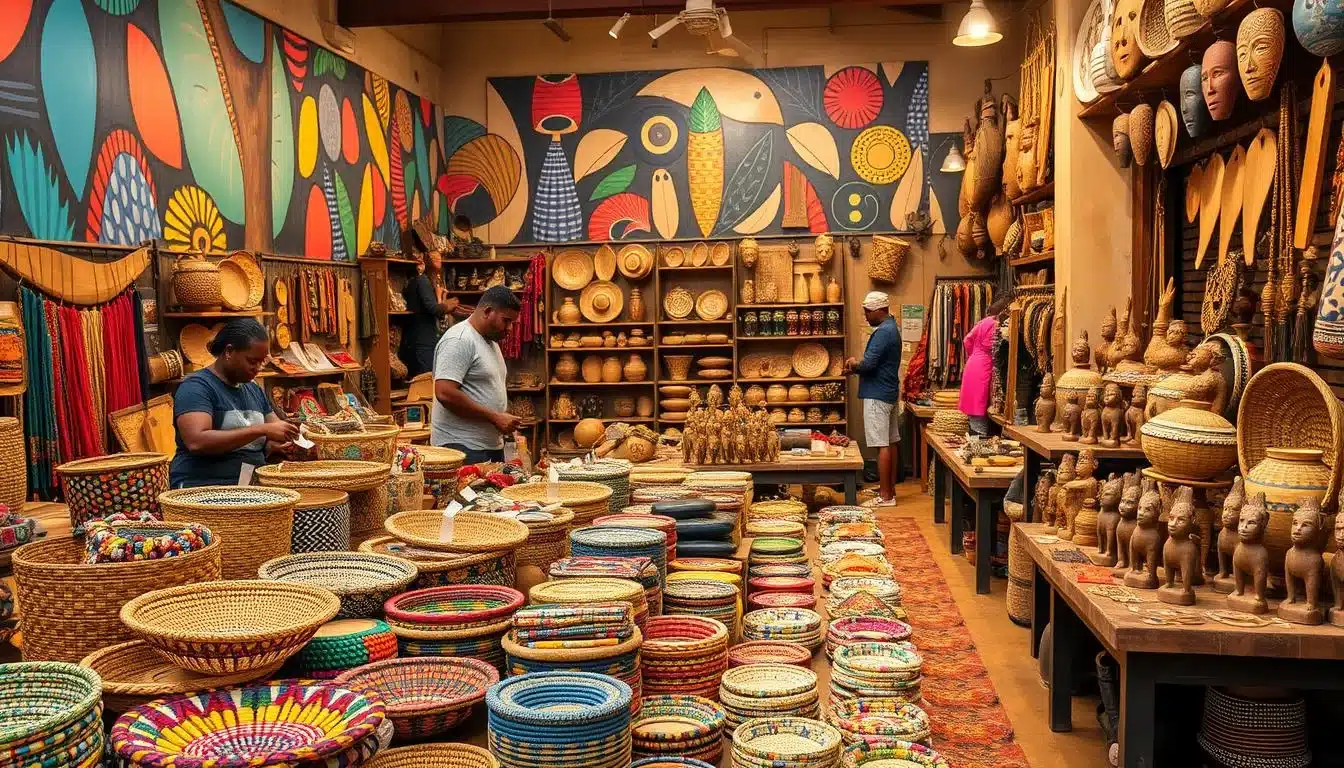
| Handmade or artisanal products | Online for reach + small physical presence for brand building |
| Bulk / industrial goods | Physical store + online quoting / catalogue mainly |
Also, considerations like delivery infrastructure, urban vs rural location, customer trust, payment access will influence what works best.
You may like to read: 10 Profitable Businesses to Start in Nigeria with Little or No Capital
9. Case Examples: Nigerian Brands Doing Online, Physical & Hybrid Well
It helps to see real brands to illustrate what works:
- Some fashion brands in Lagos maintain both flagship physical stores in major malls and also heavy online/eCommerce presence.
- Electronics retailers often have showrooms so customers can try TVs, phones etc., but also have web shops.
- Grocery and fast‑moving consumer goods (FMCG) companies sometimes operate physical stores for immediate shopping but offer online order & delivery for convenience.
These case studies show hybrid models often outperform purely physical stores, especially in big cities with internet access, and purely online stores in product categories where inspection and trust are critical.
10. Why Comilmart Is the Leading Online Marketplace Option
Now, let’s bring Comilmart into the picture—why as a seller or buyer, Comilmart offers strong advantages when choosing an online store model:
A. Vendor Friendly & Marketplace Support
- Comilmart allows you to set up your online store—with product pages, inventory management, analytics—without needing full physical storefronts.
- Vendor support, guides, training to help optimize listings and sales.
B. Reliability and Trust
- Verified vendors, good reviews, transparent product descriptions reduce distrust that often plagues online retail in Nigeria.
- Good return policy, customer service, so buyers feel safe ordering online rather than preferring physical inspection.
C. Logistics & Delivery Partnerships
- Comilmart works with delivery/ logistics partners to ensure safe, trackable, and relatively faster delivery.
- Options for nationwide delivery mean customers far from physical stores can still buy.
D. Mobile‑First and Tech Infrastructure
- The platform’s infrastructure—built by MacverTech—ensures fast loading times, secure payments, mobile optimization. Critical in Nigeria where many users are mobile only.
E. Competitive Costs for Sellers
- Lower upfront overhead compared to opening a physical store (rent, staff, display) allows vendors to invest more in marketing, better product photography, better customer service.
- Comilmart may offer promotional tools, sales, visibility that physical stores may not easily match.
11. Role of MacverTech in Empowering Online Stores in Nigeria
MacverTech is Comilmart’s tech backbone. Here are specific contributions:
- Secure Platform Architecture to protect customer data, integrate payment gateways safely.
- Scalability and Uptime – handling traffic, ensuring platform does not crash during promotions.
- Analytics & Insights – giving vendors tools to understand which products convert, customer behavior, enabling data‑driven decisions.
- User Experience Optimization – fast load times, mobile responsive design, good UX which helps reduce cart abandonment.
Having this level of technical competence helps online stores compete much better, narrowing the gap with physical stores in terms of trust and experience.
12. Tips for Choosing the Right Mode for Your Business
If you’re deciding which model to go with, consider the following:
- Understand Your Customers
- Where are they? Urban/rural?
- What is their trust level in online payments?
- Do they prefer in‑person inspection?
- Evaluate Inventory and Product Type
- If products need inspection (fabrics, electronics, furniture), then physical or hybrid might be better.
- If digital or simple products, online works well.
- Check Logistics / Delivery Infrastructure
- Can you deliver safely and quickly?
- What are shipping costs and damages?
- Calculate Your Costs & Cash Flow
- For physical store: rent, utilities, staff, display, insurance.
- For online store: web hosting, delivery costs, digital marketing, returns, payment gateway fees.
- Start Small & Test
- Maybe begin with online listing + pop‑ups or small physical space.
- Use online data to validate demand before committing large physical investment.
- Combine Models if Possible
- Use your physical store as showroom, pickup point, return center.
- Use online store to reach beyond local main city traffic.
- Invest in Trust & Brand
- Good product images, clear descriptions.
- Secure payments.
- Great customer service.
- Social proof and reviews.
13. Conclusion & Recommendation
After weighing all sides, here are some conclusions:
- In many cases, an online store (especially via a marketplace like Comilmart) will offer better value for starting businesses: lower cost, broader reach, flexibility, scalability.
- Physical stores still have strong roles, particularly for high‑trust product categories, or in places where customers strongly prefer inspection.
- For many businesses, a hybrid or omnichannel model offers the best of both worlds.
If you are a new vendor in Nigeria, starting with an online store on Comilmart (backed by MacverTech tech infrastructure) gives you strong advantages: low overhead, access to logistics, trust, and the online customer base. You can grow, observe demand, and consider physical presence later if needed.
You may like to read: Which eCommerce Platform Is Best in Nigeria?
References
- Shopify Nigeria: Advantages & Disadvantages of E‑commerce vs physical stores. (Shopify)
- Peppa: Why Small Business Needs an Online Store in Nigeria. (Peppa Blog)
- Tradift: Benefits of having an online store in Nigeria. (Tradift)
- How We Made It In Africa: Product assortment & online vs physical advantages. (How we made it in Africa)
- Insight.ng: Challenges & perks of running e‑commerce business in Nigeria. (Insight Nigeria)